
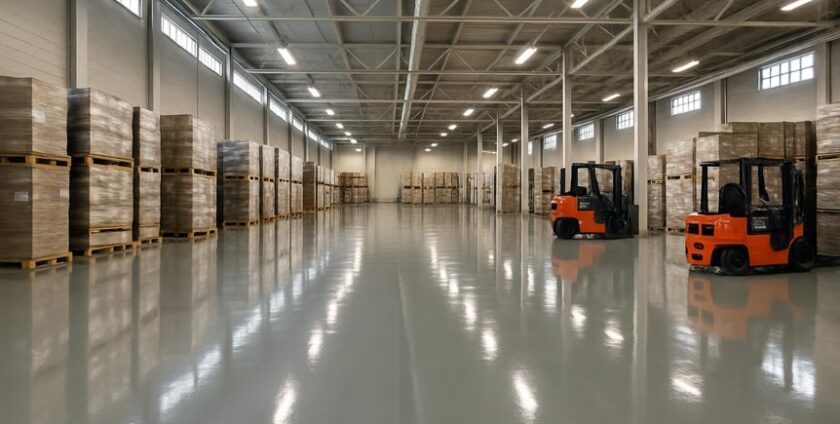
Epoxy flooring offers significant durability benefits for warehouses in Philadelphia. Its seamless surface can endure heavy machinery traffic and resist spills and impacts. This flooring type also provides chemical resistance, which is essential in environments exposed to corrosive substances. Additionally, its shock-absorbing qualities reduce wear and tear, ensuring longevity. To fully understand the various advantages and applications of epoxy flooring, one must explore its specific features and the installation process.
Understanding Epoxy Flooring
Epoxy flooring is a durable and versatile surface coating commonly utilized in various commercial and industrial settings, including warehouses. This flooring option consists of a resin and hardener that, when combined, create a robust surface.
There are different epoxy types, including solid epoxy, water-based, and solvent-based, each offering unique properties suited for specific applications. Installation techniques vary, requiring surface preparation, mixing components, and applying multiple coats for ideal performance.
Proper installation is vital to guarantee adhesion and longevity, making it essential for warehouse operators to understand the specific requirements for their chosen epoxy type and the necessary installation methods. Additionally, certified installation teams ensure that the floors stand the test of time and meet high-quality standards.
Benefits of Epoxy Flooring in Warehouse Settings
The advantages of epoxy flooring make it an ideal choice for warehouse environments. Its seamless surface minimizes dust accumulation, enhancing cleanliness and contributing to effective sustainability practices.
Additionally, epoxy flooring can be designed to improve temperature regulation within warehouses, promoting a stable climate for stored goods.
The durability of epoxy also reduces maintenance costs, allowing warehouses to operate efficiently over time. Its resistance to chemicals and spills guarantees longevity, further supporting sustainability by decreasing the need for frequent replacements. Furthermore, the high thermal stability of epoxy ensures that it can withstand varying temperature conditions without compromising performance.
In general, epoxy flooring not only enhances functionality but also aligns with modern environmental considerations in warehouse management.
Impact Resistance of Epoxy Flooring
Impact resistance is an essential characteristic of flooring materials in warehouse environments, where heavy machinery and constant foot traffic are common.
Epoxy flooring provides superior impact absorption and shock resistance, making it a prime choice for such settings. Its resilient surface minimizes damage from dropped items and equipment, ensuring safety and longevity.
- Enhanced durability against heavy loads
- Reduced risk of cracks and surface damage
- Cost-effective maintenance due to longevity
These features contribute to a safer working environment, decreasing the likelihood of accidents and the need for frequent repairs, ultimately benefiting warehouse operations in Philadelphia. Additionally, the use of industrial-grade densifiers in concrete strengthening can further enhance the flooring’s durability in high-traffic areas.
Chemical Resistance and Safety
Epoxy flooring in warehouses offers enhanced chemical protection, making it an ideal choice for environments where spills and hazardous materials are prevalent. The robust surface is designed to withstand an assortment of chemicals, ensuring longevity and safety in operations. Additionally, many epoxy systems incorporate slip resistance features, further promoting a safe working environment for employees. Furthermore, epoxy flooring systems provide exceptional customer service and technical support, ensuring that any issues can be promptly addressed.
Enhanced Chemical Protection
Numerous warehouses in Philadelphia rely on epoxy flooring for its superior chemical resistance, an essential factor for environments handling various substances.
This flooring solution not only enhances surface durability but also protects against the damaging effects of spills and chemicals. By providing a robust barrier, epoxy flooring guarantees long-lasting performance and safety in challenging conditions.
- Resistant to harsh chemicals and solvents
- Minimizes surface damage from spills
- Promotes a safer working environment
As a result, warehouses can maintain operational efficiency while safeguarding their assets, ultimately contributing to lower maintenance costs and increased productivity. Additionally, the specialized formulation for chemical resistance against automotive fluids ensures that even the most challenging substances can be managed effectively.
Slip Resistance Features
A notable advantage of epoxy flooring in Philadelphia warehouses is its impressive slip resistance, which is essential for ensuring safety in high-traffic areas.
This flooring solution utilizes specialized slip resistance materials that enhance traction, reducing the risk of slips and falls. By incorporating textured finishes or additives, epoxy coatings can considerably improve surface grip, even in environments exposed to oils or moisture.
The traction enhancement provided by epoxy flooring not only protects employees but also minimizes liability risks for warehouse operators. Ultimately, these features contribute to a safer working environment, making epoxy flooring a wise investment for warehouse durability and safety. Additionally, implementing safety measures can further support compliance with legal requirements and client needs in the warehouse industry.
Moisture Protection and Prevention
While moisture can pose significant challenges to warehouse environments in Philadelphia, implementing effective protection and prevention measures is essential for maintaining the integrity of flooring systems.
Epoxy flooring offers strong alternatives through its exceptional water resistance and the application of moisture barriers, effectively preventing damage from excess humidity or spills. This not only enhances durability but also minimizes repair costs.
- Moisture Barriers: Prevent moisture from penetrating the substrate.
- Water Resistance: Protect against spills and cleaning agents.
- Durability: guarantee long-lasting performance in humid conditions. Additionally, understanding moisture management practices can further enhance the effectiveness of flooring systems in combating moisture-related issues.
Easy Maintenance and Cleaning
Epoxy flooring is renowned for its ease of maintenance and cleaning, making it an ideal choice for warehouses in Philadelphia. This flooring type requires minimal upkeep, allowing warehouse managers to implement straightforward cleaning techniques.
Regular sweeping and mopping are typically sufficient to maintain its pristine condition. Additionally, establishing effective maintenance schedules guarantees the longevity of the flooring while preventing dirt buildup.
The seamless surface of epoxy minimizes areas where grime can accumulate, facilitating quick and efficient cleaning. Consequently, warehouses benefit from a consistently clean environment that supports operational efficiency and enhances comprehensive workplace safety. Moreover, the flexible service options offered by expert flooring providers ensure that warehouses can receive tailored solutions that meet their unique needs.
Aesthetic Appeal of Epoxy Flooring
Epoxy flooring offers significant aesthetic appeal through its versatile color customization options, allowing warehouse owners to create a tailored look that complements their brand or environment. Additionally, the glossy finish of epoxy not only enhances visual attractiveness but also reflects light, improving general illumination in the workspace. These features make epoxy flooring a practical choice for those seeking both functionality and style in a warehouse setting. Furthermore, epoxy flooring provides a seamless, smooth finish that adds to the overall sophistication of the space.
Color Customization Options
When considering the aesthetic appeal of flooring options, color customization plays a pivotal role in enhancing the comprehensive look of a warehouse.
Epoxy flooring offers an array of color palettes and design patterns, allowing businesses to create a tailored environment that reflects their brand identity. Customization can contribute to a more visually appealing workspace while providing functionality.
- Diverse color options for personalized branding
- Unique design patterns to enhance visual interest
- Ability to create zones within large spaces using color
Additionally, the use of ceramic tiles in decorative applications can complement epoxy flooring, merging durability with aesthetic versatility.
Glossy Finish Benefits
A glossy finish considerably enhances the aesthetic appeal of flooring in warehouses, providing a polished look that is both modern and professional. This glossy appeal not only boosts the visual environment but also creates a sense of cleanliness and order. Additionally, epoxy flooring with a glossy finish offers significant maintenance advantages; its smooth surface resists dirt, dust, and stains, making cleaning simpler and less frequent. In addition, the reflective properties of a glossy finish can improve lighting, enhancing visibility throughout the space. Furthermore, the polished concrete overlay used in contemporary settings showcases how a seamless and visually striking finish can elevate any environment. In general, the combination of beauty and practicality makes glossy epoxy flooring an excellent choice for Philadelphia warehouses.
Cost-Effectiveness and Longevity
Investing in epoxy flooring can yield significant cost savings for warehouse owners in Philadelphia. This flooring solution not only enhances aesthetics but also contributes to a long-term investment by reducing maintenance and repair costs.
Its durability and resistance to wear and tear mean fewer replacements over time, making it a financially prudent choice.
- Lower maintenance expenses due to its resilience
- Extended lifespan compared to traditional flooring options
- Improved safety, potentially reducing liability costs
- Additionally, epoxy flooring provides a seamless finish that adds to its aesthetic appeal and functionality.
Installation Process of Epoxy Flooring
The installation process of epoxy flooring involves several critical steps to guarantee ideal results.
Initially, surface preparation techniques are employed to create a clean and suitable base for application. Following this, various application methods are utilized, culminating in curing and finishing steps that enhance durability and appearance. This process is similar to the installation of premium flooring at Engine 49 Fire Station, ensuring a long-lasting and functional surface suitable for high-demand environments.
Surface Preparation Techniques
Effective surface preparation is essential for the successful installation of epoxy flooring in Philadelphia warehouses. This process involves several critical techniques to guarantee maximum adhesion and durability.
- Sanding techniques and shot blasting help profile the concrete surface.
- Surface cleaning is necessary to remove debris, while moisture testing assesses the substrate’s suitability.
- Priming methods and leveling compounds may be employed to enhance adhesion promotion and achieve a smooth finish.
Implementing effective dust control measures during preparation further guarantees a clean environment, ultimately leading to a long-lasting epoxy floor that withstands the rigors of warehouse operations. Additionally, understanding common hazards associated with construction activities can further enhance safety during the installation process.
Application Methods Explained
Once the surface preparation is complete, the application methods for epoxy flooring become essential to achieving a durable and aesthetically pleasing finish.
Various application techniques are employed depending on the epoxy types selected, including roll-on, spray, and trowel methods.
Roll-on techniques are common for large areas, while spray application provides even coverage in hard-to-reach spaces.
Trowel methods are ideal for thicker epoxy types, allowing for better control and texture.
Each technique requires careful execution to guarantee proper adhesion and a smooth surface, ultimately enhancing the floor’s longevity and performance in demanding warehouse environments. Additionally, the choice of flooring materials plays a significant role in determining the overall durability and effectiveness of the epoxy system used.
Curing and Finishing Steps
Curing and finishing steps are essential in the installation process of epoxy flooring, as they determine the final quality and performance of the surface. Proper curing techniques guarantee that the epoxy bonds effectively, resulting in a durable finish. This phase may involve temperature control and humidity monitoring to optimize curing conditions. Once cured, finishing touches enhance aesthetics and surface functionality.
- Application of a topcoat for increased protection
- Polishing for a smooth, glossy finish
- Adding non-slip aggregates for safety
Implementing these steps meticulously assures an epoxy floor that withstands heavy use in Philadelphia warehouses, promoting longevity and reliability. The durability of the epoxy flooring is further enhanced by the use of high-quality materials, ensuring it can withstand the rigors of a busy warehouse environment.
Customization Options for Warehouses
While many warehouses in Philadelphia prioritize functionality and durability in their flooring choices, customization options for epoxy flooring can enhance both aesthetics and operational efficiency.
Warehouse managers can select from a wide array of color patterns to create visually appealing spaces that align with corporate branding or safety codes.
Additionally, various texture options can be incorporated to improve grip and minimize slip hazards, catering to specific operational needs.
These customization features not only raise the general look of the warehouse but also contribute to a safer, more efficient working environment, ultimately supporting the unique requirements of each facility. Furthermore, utilizing resources for project specifications can ensure that the selected flooring meets all necessary safety and performance standards.
Real-Life Success Stories in Philadelphia
Numerous warehouses in Philadelphia have successfully implemented epoxy flooring solutions, showcasing the material’s versatility and effectiveness in real-world settings.
These warehouse transformations highlight the benefits of epoxy, leading to increased durability and enhanced aesthetics.
- A major distribution center reported a 30% reduction in maintenance costs post-installation.
- A food storage facility achieved compliance with health standards through seamless, easy-to-clean surfaces.
- An automotive parts warehouse noticed improved safety with enhanced slip resistance.
These success stories illustrate how epoxy flooring can revolutionize warehouse operations, making them more efficient and sustainable in the long run.
Choosing the Right Epoxy Flooring Contractor
How can warehouse operators guarantee they select the right epoxy flooring contractor? First, they should assess contractor qualifications, ensuring the contractor is experienced, licensed, and insured.
Checking references and reviewing past projects can provide insight into the contractor’s reliability and workmanship. Additionally, it is important to discuss project timelines upfront to avoid delays that can disrupt warehouse operations.
Clear communication about expectations and deadlines is vital. Operators should also inquire about the materials and techniques used, as these can impact the durability and longevity of the flooring. Furthermore, they might consider the contractor’s adherence to industry standards, such as those outlined in ACI CODE-318-25, which ensure public safety in structural concrete design and construction.
Frequently Asked Questions
How Long Does Epoxy Flooring Typically Last in Warehouses?
Epoxy flooring typically lasts 10 to 20 years in warehouses, depending on usage and maintenance requirements. Lifespan comparison reveals that proper upkeep greatly enhances durability, making it a cost-effective choice for industrial environments.
Can Epoxy Flooring Be Applied Over Existing Concrete?
Epoxy flooring can certainly be applied over existing concrete, provided proper epoxy preparation techniques and a thorough concrete surface assessment are conducted to guarantee adhesion and longevity of the new flooring system.
What Are the Environmental Impacts of Epoxy Flooring?
Epoxy flooring can pose environmental impacts, including safety concerns related to volatile organic compounds during the installation process. Proper ventilation and adherence to safety guidelines are essential to mitigate these risks and guarantee a safer environment.
Are There Specific Regulations for Epoxy Flooring in Philadelphia?
In Philadelphia, epoxy flooring must adhere to local building codes and safety standards, ensuring compliance with regulations. These guidelines are essential for maintaining structural integrity and promoting a safe environment in commercial and industrial settings.
How Do Temperature Fluctuations Affect Epoxy Flooring Durability?
Temperature fluctuations can compromise epoxy flooring durability by causing thermal expansion and contraction. This may lead to cracking or delamination if the material lacks adequate temperature resistance, highlighting the importance of selecting appropriate epoxy for varying environmental conditions.
Conclusion
To summarize, epoxy flooring serves as an essential enhancement for durability in Philadelphia warehouses, offering significant advantages such as impact resistance, chemical protection, and moisture prevention. Its seamless and slip-resistant surface not only improves safety but also extends the lifespan of the flooring, leading to reduced maintenance costs. By choosing the right epoxy flooring solutions and contractors, warehouse operators can guarantee peak performance and longevity, ultimately supporting operational efficiency and a safer working environment.
- By: Francis Burnet
- Tags: epoxy flooring, Philadelphia warehouses, warehouse durability
- Category: Epoxy Flooring
- 0 comment