
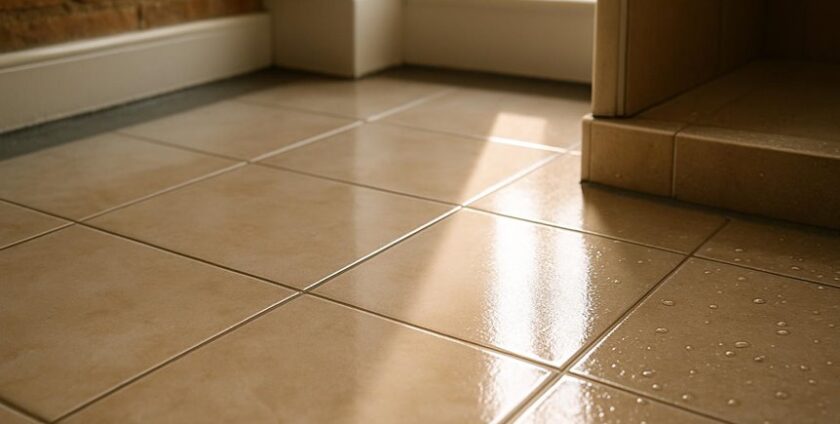
Waterproofing is an essential aspect of tile installations in Camden, where moisture poses significant risks. The region’s humidity can lead to leaks, structural damage, and mold growth if not properly addressed. Effective waterproofing strategies not only protect the integrity of tile work but also enhance the complete value of properties. Understanding the various risks and solutions available can help homeowners make informed decisions about their installations. What specific methods can guarantee ideal protection in this challenging environment?
Understanding the Risks of Moisture Damage
Moisture damage poses significant risks to tile installations, necessitating a thorough understanding of its implications. Various moisture sources, including leaks, humidity, and condensation, can infiltrate tile settings, leading to structural integrity issues and mold growth. To mitigate such risks, effective damage prevention strategies are essential. This involves identifying potential moisture sources early and ensuring proper ventilation and drainage. Additionally, utilizing high-quality grout and sealants can further protect tile work from moisture infiltration. Understanding moisture management is crucial for maintaining the longevity and performance of tile installations.
The Role of Waterproofing in Tile Installation
Waterproofing serves as a critical component in the success of tile installations, providing an essential barrier against water infiltration.
The waterproofing benefits are numerous, including the prevention of mold growth and structural damage, which can arise from moisture intrusion.
Effective installation techniques, such as using membrane systems or liquid-applied waterproofing products, guarantee that tile surfaces remain protected.
By integrating waterproofing measures during the installation process, homeowners can extend the lifespan of their tiles and maintain the aesthetic integrity of their spaces.
Ultimately, proper waterproofing is not merely an option; it is a fundamental necessity for durable and reliable tile installations. Additionally, understanding the moisture vapor transmission rate (MVTR) is crucial to ensure that the selected waterproofing methods effectively meet the specific requirements of the installation.
Common Areas in the Home That Need Waterproofing
While many homeowners may not realize it, several key areas within a house are particularly vulnerable to moisture intrusion and consequently require effective waterproofing solutions.
Ensuring these spaces are properly protected can prevent significant damage and costly repairs.
- Bathroom floors: Constant exposure to water increases the risk of mold and structural damage.
- Kitchen backsplashes: The area behind sinks and countertops faces spills and splashes that can lead to deterioration.
- Laundry rooms: Frequent water use makes this space prone to leaks and moisture accumulation.
Addressing these areas with appropriate waterproofing is essential for maintaining a safe, healthy home environment, especially considering the need for proper substrate preparation to enhance installation durability.
Types of Waterproofing Materials for Tile Installations
When selecting appropriate materials for tile installations, it is essential to contemplate the various waterproofing options available to guarantee long-lasting protection against moisture.
Liquid membranes offer excellent flexibility and adhesion, while sheet membranes provide robust, seamless coverage.
Waterproofing paints are easy to apply and effective for indoor use.
Cementitious coatings create a durable barrier, suitable for wet environments.
Flexible sealants fill gaps and joints, enhancing water resistance.
Incorporating drainage systems can further mitigate water accumulation, while vapor barriers prevent moisture penetration.
Lastly, surface treatments add an additional layer of protection, ensuring tile installations remain resilient against water damage.
Benefits of Proper Waterproofing
Proper waterproofing greatly enhances the longevity and performance of tile installations by preventing moisture-related issues. Effective waterproofing techniques create robust moisture barriers that protect surfaces from damage, ensuring a more durable and aesthetically pleasing finish.
The benefits of proper waterproofing include:
- Reduced Risk of Mold Growth: Prevents harmful mold and mildew, promoting a healthier living environment.
- Enhanced Structural Integrity: Preserves the underlying structures, reducing costly repairs over time.
- Increased Property Value: Well-maintained installations enhance the general appeal and market value of a property.
Investing in waterproofing is essential for protecting tile installations and ensuring long-term satisfaction. Additionally, implementing sustainable management practices during installation can further contribute to the reduction of waste and environmental impact.
Signs That Indicate You Need Waterproofing
Indicators of potential waterproofing issues can often be observed through physical signs in the environment.
Water stains on surfaces may suggest underlying moisture problems, while musty odors can point to mold growth resulting from excess humidity.
Recognizing these signs early is essential for preventing further damage and ensuring a successful tile installation.
Water Stains on Surfaces
Although water stains on surfaces may seem like a minor inconvenience, they often signify deeper issues that necessitate immediate attention.
These stains can indicate failure in waterproofing and require effective surface treatment to prevent further damage. Recognizing the urgency of the situation is essential for homeowners.
- Structural Integrity: Prolonged moisture can weaken underlying structures.
- Aesthetic Appeal: Stains detract from the beauty of tile installations.
- Health Risks: Unaddressed moisture can lead to mold growth.
Timely water stain prevention measures can safeguard investments and promote a healthier living environment. Additionally, investing in durable flooring solutions can help mitigate the risks associated with water damage.
Musty Odors Present
The presence of musty odors within a home often signifies hidden moisture issues that require immediate attention.
In the context of tile installations, these odors may indicate inadequate waterproofing, leading to trapped moisture beneath the surface. This damp environment can promote mold growth, further compromising indoor air quality and the integrity of the tiles.
Homeowners should be vigilant; musty odors are a clear warning sign that waterproofing measures may be insufficient or failing.
Addressing these underlying moisture problems promptly can prevent costly repairs and guarantee a healthier living space, highlighting the critical role of effective waterproofing in tile installations. Additionally, understanding construction-related injuries can help homeowners recognize the importance of maintaining a safe and healthy environment while undertaking renovations.
The Waterproofing Process Explained
The waterproofing process is essential for ensuring the longevity and integrity of tile installations.
This process involves understanding the importance of waterproofing, selecting appropriate materials, and employing effective application techniques.
Each of these components is vital in preventing moisture-related damage and maintaining a durable tiled surface.
Importance of Waterproofing
Waterproofing is a critical component in tile installations, as it serves to protect structures from water damage and mold growth. Understanding the importance of waterproofing highlights its essential waterproofing benefits, particularly in moisture prevention.
- Preservation of Structural Integrity: Protects against costly repairs and deterioration.
- Health Safety: Reduces the risk of mold and allergens affecting indoor air quality.
- Increased Property Value: Enhances the longevity and appeal of the property, making it more attractive to potential buyers.
Implementing effective waterproofing strategies guarantees a safe, healthy living environment while maximizing the investment in tiled spaces.
Materials Used for Waterproofing
Numerous materials are available for effective waterproofing in tile installations, each designed to address specific challenges associated with moisture control.
Liquid membranes create a seamless barrier that effectively prevents water infiltration, while cementitious coatings provide a durable, resilient layer suitable for various surfaces.
Polyurethane sealants offer flexibility and excellent adhesion, making them ideal for areas subject to movement.
Additionally, waterproofing additives can be mixed with traditional materials to enhance their water-resistant properties, ensuring comprehensive protection.
Selecting the appropriate material is vital, as it directly influences the longevity and performance of tile installations in environments prone to moisture exposure. Moreover, understanding the properties of ceramic tiles can further enhance waterproofing effectiveness in tile applications.
Application Techniques Explained
When applying waterproofing materials for tile installations, it is vital to follow a systematic approach to secure peak performance. Understanding effective application methods and waterproofing techniques is critical for long-lasting results.
- Surface Preparation: Make certain surfaces are clean, dry, and free of contaminants to promote adhesion.
- Layering: Apply the waterproofing membrane in multiple thin layers, allowing for proper curing between applications.
- Sealing: Pay special attention to corners, joints, and edges to prevent water ingress.
Common Mistakes to Avoid During Waterproofing
An assortment of common mistakes can undermine the effectiveness of waterproofing in tile installations.
Many individuals fall prey to waterproofing myths, believing that a single coat of waterproofing material suffices. In reality, thorough surface preparation is crucial; failing to clean or prime the substrate can lead to installation errors.
Additionally, neglecting to guarantee proper drainage may result in water pooling, compromising the waterproofing layer.
Another frequent mistake is applying the waterproofing membrane in adverse weather conditions, which can affect adhesion.
Awareness of these pitfalls can considerably enhance the durability and reliability of waterproofing systems in tile installations. Furthermore, understanding maintenance and cleaning recommendations can help in preserving the integrity of the waterproofing layer over time.
Choosing the Right Professionals for Waterproofing
Selecting the right professionals for waterproofing tile installations requires careful consideration of several key factors.
Experience and expertise play essential roles in ensuring effective waterproofing, while the selection of quality materials and proper installation techniques are equally important to prevent future issues.
Engaging knowledgeable professionals can greatly enhance the longevity and performance of waterproofing efforts.
Experience and Expertise
Choosing the right professionals for waterproofing tile installations requires careful consideration of their experience and expertise. Engaging qualified experts guarantees adherence to industry standards and facilitates informed decisions through expert consultations.
Homeowners should prioritize:
- Proven track record of successful waterproofing projects.
- Knowledge of the latest techniques and materials in waterproofing.
- Strong client testimonials and references reflecting reliability.
Selecting professionals with these attributes not only safeguards investments but also provides peace of mind. Additionally, professionals should be familiar with construction safety checklists, which can help ensure that all necessary safety measures are followed during the waterproofing process.
Relying on experienced experts minimizes the risks associated with water damage, ultimately preserving the beauty and integrity of tile installations for years to come.
Quality Materials Selection
In relation to waterproofing tile installations, the selection of quality materials is vital in ensuring long-lasting protection against water damage.
Professionals must prioritize material durability, opting for products that withstand moisture and prevent leaks. High-quality waterproofing membranes and sealants provide quality assurance, safeguarding the integrity of tile installations.
When selecting these materials, it is important to take into account factors such as resistance to mold and mildew, as well as compatibility with various tile types. Additionally, utilizing resources from the Tile Council of North America can help ensure adherence to industry standards and best practices.
Proper Installation Techniques
Quality materials alone do not guarantee effective waterproofing; proper installation techniques play a significant role in ensuring the success of tile installations.
Selecting the right professionals is essential. The following elements should be prioritized:
- Tile Leveling Techniques: Ensuring tiles are level prevents water accumulation and enhances aesthetics.
- Adhesive Selection Tips: Choosing the right adhesive is important for bonding strength and moisture resistance.
- Expertise in Application: Skilled installers understand nuances that can make or break a waterproofing system. Additionally, understanding building codes is crucial for compliance and long-term durability of installations.
Cost Considerations for Waterproofing
Cost considerations for waterproofing tile installations can greatly impact the total budget of a renovation or construction project. Effective budget planning is essential, as waterproofing materials and labor costs can vary considerably.
A thorough cost analysis should include not only the initial expenses but also potential long-term savings gained from preventing water damage. Homeowners must weigh different waterproofing methods, as some may offer better protection at a higher upfront cost, while others may be less effective.
Ultimately, investing in quality waterproofing can enhance durability and reduce future repair costs, making it a critical component of any tile installation project.
Long-Term Maintenance Tips for Waterproofed Tiles
While waterproofing provides essential protection for tiles, ongoing maintenance is essential to confirm their longevity and effectiveness. Proper care guarantees that the investment in waterproofing pays off by preventing damage and maintaining aesthetics.
- Regular tile cleaning using pH-balanced cleaners prevents buildup that could compromise waterproofing.
- Grout maintenance is critical; applying a sealer every 1-2 years protects against moisture infiltration.
- Promptly address leaks or cracks to avoid extensive repairs and preserve the waterproof barrier.
Case Studies: Success Stories in Camden
Numerous successful waterproofing projects in Camden have demonstrated the effectiveness of advanced tile installation techniques.
Local contractors have played an essential role in these initiatives, employing innovative methods to guarantee durable and leak-free surfaces. For instance, a recently completed residential bathroom renovation showcased a seamless waterproof membrane, preventing moisture infiltration and enhancing longevity.
Similarly, a commercial kitchen installation benefitted from meticulous attention to detail, resulting in a flawless outcome that has withstood heavy usage.
These case studies exemplify how strategic collaboration with experienced local contractors can lead to successful projects, ultimately preserving the integrity and longevity of tile installations in the area.
Frequently Asked Questions
How Long Does Waterproofing Last Once Applied?
The waterproofing lifespan typically ranges from 10 to 20 years, depending on factors such as material quality and tile maintenance. Regular inspections and upkeep can greatly extend the effectiveness of waterproofing in tile installations.
Can I Waterproof Existing Tile Without Removing It?
It is possible to waterproof existing tile without removal by applying advanced waterproofing techniques. Regular tile maintenance tips, such as cleaning and sealing, enhance effectiveness and prolong protection against moisture infiltration, ensuring longevity and durability of the installation.
What Is the Best Time of Year to Waterproof?
The best seasons for waterproofing are spring and fall, as moderate temperatures and lower humidity enhance the effectiveness of waterproofing techniques. Timing guarantees proper adhesion and curing, leading to ideal long-term protection for installations.
Are There Eco-Friendly Waterproofing Options Available?
Yes, eco-friendly waterproofing options are available, utilizing sustainable practices and eco-friendly materials. These alternatives not only protect against moisture but also minimize environmental impact, making them a responsible choice for conscientious homeowners and builders alike.
How Can I Tell if My Tiles Are Already Waterproofed?
To determine if tiles are waterproofed, one can employ tile inspection methods such as water droplet tests or visual assessments for waterproofing signs like discoloration or water stains, indicating potential failure in the waterproofing layer.
Conclusion
In summary, effective waterproofing is essential for tile installations in Camden, where moisture poses significant risks. By understanding the importance of proper waterproofing techniques and materials, homeowners can protect their investments from potential damage and boost the longevity of their tile work. Engaging local professionals guarantees tailored solutions that address specific environmental challenges. Ultimately, prioritizing waterproofing not only safeguards structural integrity but also enhances property value, making it a critical consideration for any tile installation project.
- By: Francis Burnet
- Tags: Camden humidity, tile installations, waterproofing methods
- Category: Concrete Sealing & Protection
- 0 comment