
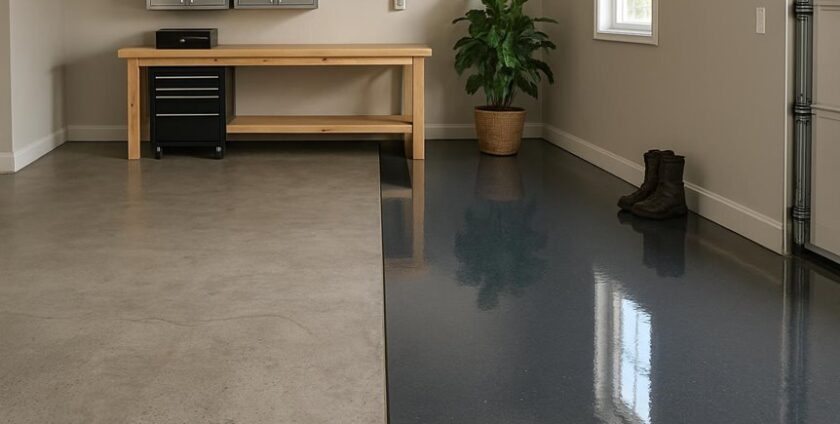
In Wilmington, DE, the decision between polished concrete and epoxy flooring requires careful consideration of various factors. Each option presents unique benefits and drawbacks, impacting aesthetics, durability, and maintenance needs. Polished concrete is known for its sleek finish and low upkeep, while epoxy offers vibrant colors and a seamless look. Understanding the implications of each choice can greatly influence the suitability for specific environments. The next steps involve evaluating individual requirements and preferences.
Overview of Polished Concrete
Polished concrete has emerged as a popular flooring choice due to its durability and aesthetic appeal. This versatile option offers numerous polished concrete benefits, including resistance to stains, easy maintenance, and enhanced longevity. Various polished concrete finishes are available, allowing homeowners and businesses to select the look that best suits their design preferences. From high-gloss surfaces that reflect light to matte finishes that provide a more subdued appearance, polished concrete can complement any space. Additionally, its energy efficiency and eco-friendliness make it an attractive choice for environmentally conscious consumers, ensuring it remains a favored flooring solution in diverse settings. The use of self-leveling polished overlays can further enhance the appearance and functionality of polished concrete floors.
Overview of Epoxy Flooring
Epoxy flooring is renowned for its exceptional durability and versatility, making it a favored choice for both residential and commercial applications. It offers several notable advantages, alongside some drawbacks:
- Epoxy Benefits: High resistance to chemicals and stains, making it ideal for industrial environments.
- Durability: Provides a long-lasting surface that can withstand heavy foot traffic and equipment.
- Low Maintenance: Easy to clean and maintain, reducing long-term upkeep costs.
However, epoxy drawbacks include potential yellowing over time and a longer curing period compared to other flooring options, which may affect installation timelines. Additionally, epoxy floor systems are designed for high-performance applications, ensuring they meet the demands of various environments. Understanding these factors is essential for making informed decisions.
Aesthetic Appeal of Polished Concrete
Aesthetic appeal plays a significant role in flooring choices, and polished concrete stands out for its unique blend of style and functionality.
With a range of color variations, polished concrete can complement various design trends, from industrial chic to modern minimalism. Its reflective surface not only enhances natural light but also creates an illusion of space, making it ideal for both residential and commercial settings.
Additionally, the ability to incorporate aggregates or dyes allows for customization, ensuring that each installation is distinctive. Ultimately, polished concrete offers an elegant solution that meets the aesthetic needs of discerning property owners, while its mechanical concrete polishing process ensures a high-quality finish tailored to client specifications.
Aesthetic Appeal of Epoxy
Epoxy flooring is renowned for its vibrant color options, allowing for a range of aesthetic choices that can enhance any space.
The glossy finish of epoxy not only adds a sleek appearance but also contributes to durability and ease of maintenance.
Additionally, custom design possibilities enable homeowners and businesses to create unique patterns and styles, making epoxy a versatile choice for aesthetic appeal. Moreover, the Flooring Visualizer tool allows users to envision the final look of their epoxy floors in specific spaces.
Vibrant Color Options
While considering flooring options, many property owners are drawn to the vibrant color possibilities offered by epoxy coatings.
This aesthetic appeal not only enhances the space but also aligns with current color trends and design inspiration.
Key advantages of epoxy’s vibrant color options include:
- Customization: Property owners can select from an extensive variety of colors and finishes.
- Durability: Vibrant colors maintain their intensity over time, resisting fading.
- Versatility: Epoxy can be applied in various environments, from residential to commercial spaces.
Additionally, the ability to create thermosetting polymers through the curing process further enhances the durability of epoxy coatings.
These factors make epoxy a compelling choice for those seeking a colorful and dynamic flooring solution.
Glossy Finish Appeal
When considering flooring options, the glossy finish of epoxy coatings stands out as a significant advantage, enchanting both homeowners and business owners alike.
The glossy allure of epoxy not only enhances aesthetic appeal but also provides practical benefits. Its reflective surfaces can brighten spaces, making them appear larger and more inviting. This feature is particularly beneficial in commercial settings where visibility is essential.
Additionally, the smooth finish is easy to clean, maintaining its luster over time. Moreover, polished concrete overlay systems like TRU PC offer a visually striking alternative that combines durability with elegance.
Custom Design Possibilities
The aesthetic possibilities offered by epoxy flooring extend far beyond its glossy finish, allowing for a high degree of customization that appeals to an extensive variety of tastes and preferences.
Homeowners and businesses alike can embrace custom design trends through:
- Color Variations: A vast palette of colors can be used to match any decor.
- Unique Patterns: Custom designs, including swirls or metallic finishes, create striking visuals.
- Incorporation of Elements: Personal touches, such as logos or decorative chips, enhance bespoke flooring solutions.
These features not only enhance visual appeal but also provide practical benefits, making epoxy a versatile choice for flooring needs. Additionally, the concrete industry is evolving with sustainability initiatives that promote innovation and environmental responsibility.
Durability and Longevity
Durability and longevity are critical factors to contemplate when selecting between polished concrete and epoxy flooring.
Polished concrete offers exceptional wear resistance, making it suitable for high-traffic areas. Its lifespan analysis indicates that, with proper care, it can last for decades.
Conversely, epoxy flooring provides a robust surface that is highly resistant to chemicals and abrasions, but its longevity may be affected by environmental factors.
While both options are durable, polished concrete typically requires less frequent replacement, contributing to its comprehensive cost-effectiveness. Additionally, polished concrete benefits from the hydration process that enhances its strength over time.
Understanding these characteristics can aid in making an informed decision for flooring needs in Wilmington, DE.
Maintenance Requirements
Selecting flooring options also involves considering maintenance requirements, which can greatly influence long-term satisfaction and cost-effectiveness.
Both polished concrete and epoxy floors have specific upkeep needs that should be evaluated carefully:
- Cleaning Frequency: Polished concrete typically requires less frequent cleaning compared to epoxy, which may need regular maintenance to prevent staining.
- Repair Options: Polished concrete can be resurfaced, while epoxy may necessitate patching or complete reapplication if damaged.
- Durability: Both options require attention to surface wear, but epoxy generally offers easier repairs for minor damages.
Understanding these factors is essential for making an informed decision. Additionally, comprehensive flooring solutions can provide customized options to fit specific maintenance needs and budgets.
Installation Process
When considering the installation process for flooring options, both polished concrete and epoxy present distinct approaches that can impact the total timeline and complexity of the project.
Polished concrete typically involves grinding and refinishing the existing slab, which may take several days depending on the desired sheen and size of the area.
In contrast, epoxy installation requires surface preparation, application of primer, and multiple layers of epoxy, often leading to a longer process duration.
Both methods utilize different installation techniques, necessitating skilled labor to achieve ideal results, consequently influencing the overall efficiency and effectiveness of the flooring solution chosen. Additionally, epoxy offers a seamless finish that can enhance the overall aesthetics of the space.
Cost Comparison
While both polished concrete and epoxy flooring options offer unique benefits, their cost structures vary considerably, impacting budget considerations for homeowners and businesses alike.
- Installation Costs: Polished concrete typically has lower initial installation costs compared to epoxy, which can require more extensive preparation.
- Maintenance: Epoxy often necessitates more frequent maintenance, affecting long term expenses.
- Durability: Polished concrete generally lasts longer, potentially reducing replacement costs over time. Additionally, rubber flooring systems provide a durable and safe alternative that may be worth considering for specific applications.
Understanding these factors is essential for making an informed decision that balances upfront investment with future financial implications.
Environmental Considerations
Budget considerations are not the only factors influencing the choice between polished concrete and epoxy flooring; environmental impacts also play a significant role.
Polished concrete often utilizes existing materials, aligning with sustainability practices by reducing waste. Its durability further minimizes the need for frequent replacements, thereby conserving resources.
Conversely, epoxy flooring can incorporate eco-friendly materials, although some products may contain volatile organic compounds (VOCs) that can harm indoor air quality.
Ultimately, the decision hinges on the commitment to sustainable choices, as both options offer distinct advantages in promoting environmentally responsible flooring solutions in Wilmington, DE. Additionally, reducing disposal of C&D materials is crucial for minimizing environmental impacts and supporting local economies.
Slip Resistance and Safety
When evaluating flooring options, slip resistance and safety are critical factors that must be considered. Polished concrete typically offers a smoother surface texture, while epoxy can be enhanced with additives to improve traction. An overview of these safety features is essential for making an informed decision about which flooring solution best meets specific needs. Additionally, understanding the importance of safety climate and culture can help ensure that flooring choices contribute to a safer work environment.
Surface Texture Comparison
Surface texture has a significant influence in determining the slip resistance and general safety of flooring options like polished concrete and epoxy.
Understanding various surface texture types is essential for selecting the right material.
Key factors impacting texture performance include:
- Surface Finish: Polished concrete offers a smooth finish, while epoxy can be textured for additional grip.
- Aggregate Size: Larger aggregates in concrete increase slip resistance compared to smaller aggregates.
- Coating Additives: Epoxy can be formulated with anti-slip additives to enhance safety in high-traffic areas.
Careful consideration of these elements guarantees maximum safety in flooring choices. Additionally, implementing proper hazardous material management practices can further improve safety on construction sites.
Safety Features Overview
Safety features are paramount in flooring selection, particularly concerning slip resistance.
Both polished concrete and epoxy can offer varying degrees of safety, contingent upon their surface treatments. Polished concrete typically provides a smooth finish, which may require additional coatings for enhanced slip resistance.
Conversely, epoxy flooring can be formulated with additives to improve traction effectively. It is essential to evaluate safety certifications that signify compliance with industry standards for hazard prevention. Additionally, considering ergonomic principles can further enhance the safety and comfort of individuals who will navigate the space.
Ultimately, selecting the right flooring material should prioritize not only aesthetic appeal but also the safety of individuals who will navigate the space.
Suitable Applications for Each Flooring Type
While both polished concrete and epoxy flooring offer distinct advantages, their suitability for specific applications can greatly influence the choice between them.
- Industrial Settings: Polished concrete excels in durability and resistance, making it ideal for heavy machinery and high-traffic areas.
- Commercial Areas: Epoxy flooring provides a seamless, attractive finish, suitable for retail spaces and showrooms where aesthetics matter.
- Residential Spaces: Both options can be used, with polished concrete offering a modern look, while epoxy can create vibrant, customizable designs.
Additionally, polished concrete is a strong contender for outdoor applications due to its weather resistance and low maintenance needs. Moreover, sustainable flooring options can be integrated into both polished concrete and epoxy installations, offering eco-friendly solutions that align with modern environmental standards.
Making the Right Choice for Your Space
When selecting between polished concrete and epoxy flooring, several key factors must be carefully considered.
Aesthetic appeal, durability and maintenance requirements, along with cost implications, play essential roles in determining the most suitable option for a specific space. Understanding these elements will aid in making an informed decision that aligns with both functional needs and design preferences. Additionally, epoxy flooring’s chemical resistance makes it a strong contender for areas exposed to automotive fluids and heavy traffic.
Aesthetic Appeal Comparison
How does one choose between polished concrete and epoxy when considering the aesthetic appeal of a space? Both options offer unique visual characteristics that can enhance a room’s ambiance.
- Polished Concrete: Provides natural texture variations, showcasing aggregate patterns and a matte to glossy finish, depending on the polish level.
- Epoxy: Offers vibrant color options and a smooth, uniform surface that enhances light reflection, creating a bright, clean look.
- Combination: Some spaces may benefit from a blend of both, utilizing the durability of concrete with the striking aesthetics of epoxy finishes. Additionally, the installation techniques for each option can significantly impact the final appearance, making careful consideration essential.
Making an informed choice depends on the desired aesthetic outcome.
Durability and Maintenance
Evaluating durability and maintenance is vital for making the right choice between polished concrete and epoxy flooring for any space.
Polished concrete offers remarkable long-term performance, showcasing exceptional wear resistance ideal for high-traffic areas. Its surface can withstand heavy loads and resist stains when properly sealed, requiring minimal maintenance.
Conversely, epoxy flooring provides a robust protective layer that excels in durability and can handle chemical spills, maintaining its appearance over time. Nevertheless, it may require periodic reapplication to sustain its integrity.
Ultimately, understanding these factors is significant for selecting the flooring solution that best meets the specific demands of the environment. Additionally, considering moisture management is crucial, as both flooring options can be affected by moisture levels in the building environment.
Cost Considerations
Cost is an essential factor to take into account when choosing between polished concrete and epoxy flooring, as it greatly influences the total budget for a project.
Understanding the budget implications and long-term value of each option is vital. Consider the following:
- Initial Costs: Polished concrete typically has lower installation costs compared to epoxy.
- Maintenance Expenses: Epoxy may require more upkeep, impacting long-term financial commitments.
- Longevity: Polished concrete often lasts longer, providing better value over time.
Additionally, evaluating the energy efficiency of flooring options can further enhance your overall decision-making process.
Evaluating these factors can help make a well-informed decision that aligns with both immediate and future financial goals.
Frequently Asked Questions
Can Polished Concrete Be Installed Over Existing Flooring?
Polished concrete can certainly be installed over existing flooring, provided that the underlying surface is stable and properly prepared. This method enhances aesthetics while maintaining durability, making it a practical choice for various environments.
How Does Humidity Affect Epoxy Flooring Installation?
Humidity levels considerably impact epoxy flooring installation, as excessive moisture can lead to installation challenges such as improper adhesion and curing issues. Maintaining ideal humidity conditions is essential for achieving a durable and long-lasting epoxy surface.
Are There Color Options for Polished Concrete?
Yes, polished concrete offers extensive color options through color mixing techniques, allowing for significant design flexibility. This enables homeowners and designers to achieve customized aesthetics that align with their vision and enhance the overall environment.
How Long Does Epoxy Take to Cure Completely?
Epoxy curing typically takes 24 to 72 hours for initial hardening, but complete installation time can extend up to a week. Factors like temperature and humidity greatly influence the curing process and final durability.
Can I Apply Epoxy Myself or Should I Hire a Professional?
Applying epoxy can be a DIY project for those with experience, but professional installation guarantees excellent results, proper techniques, and longevity. Weighing skills against desired quality will guide the decision between DIY epoxy and hiring professionals.
Conclusion
To sum up, selecting between polished concrete and epoxy flooring in Wilmington, DE, hinges on individual needs and preferences. Polished concrete boasts a sleek aesthetic and exceptional durability, making it suitable for high-traffic environments. Conversely, epoxy flooring offers vibrant design options but may require more maintenance. By carefully considering aesthetics, longevity, and specific applications, one can make an informed decision that aligns with their budget and functional requirements, ensuring a flooring solution that meets both style and practicality.
- By: Francis Burnet
- Tags: epoxy flooring, polished concrete, Wilmington DE
- Category: Polished Concrete Floors
- 0 comment