
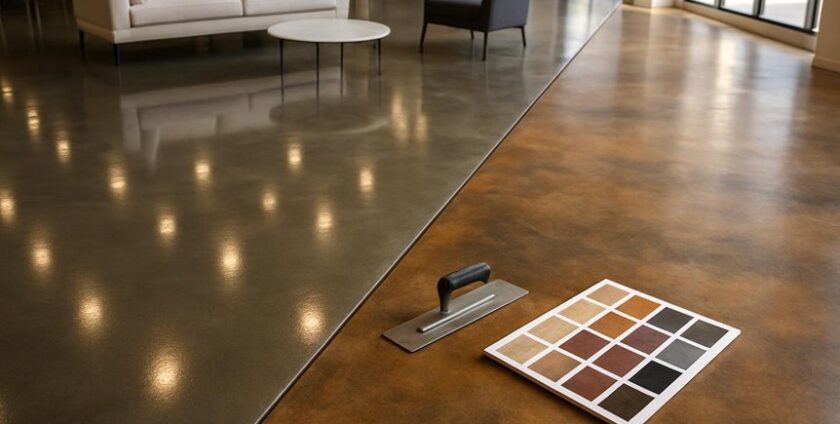
In New Jersey, homeowners and businesses face a critical decision when selecting flooring options: polished concrete or stained concrete. Each choice presents distinct advantages that cater to various aesthetic preferences and practical needs. Polished concrete offers a sleek, durable surface, while stained concrete allows for vibrant personalization. Understanding the nuances of these materials is essential for making an informed decision about which best suits specific environments and use cases. The following exploration will clarify these differences.
Overview of Polished Concrete
Polished concrete is a flooring option that has gained popularity due to its durability and aesthetic appeal.
This flooring solution offers numerous polished benefits, including resistance to staining and moisture, making it ideal for both residential and commercial spaces.
The process of polishing enhances the concrete’s natural aesthetics, resulting in a sleek, shiny surface that can complement various design styles.
Additionally, polished concrete is low-maintenance and energy-efficient, as it reflects light, reducing the need for artificial lighting.
In general, its blend of practicality and polished aesthetics makes it a favored choice for modern flooring applications. Furthermore, the application of industrial-grade densifiers during the polishing process increases the concrete’s hardness and extends its lifespan.
Overview of Stained Concrete
Stained concrete offers an assortment of aesthetic benefits, allowing for vibrant colors and unique designs that enhance the visual appeal of any space.
The application process involves several steps, including surface preparation, staining, and sealing, to guarantee a durable and long-lasting finish.
Understanding these aspects is essential for anyone considering stained concrete as a viable flooring option.
Benefits of Stained Concrete
Concrete staining offers a range of aesthetic and functional advantages that make it an appealing choice for many homeowners and commercial spaces. This technique provides unique color variations and texture options, enhancing the overall appearance of concrete surfaces.
- Creates visually striking designs
- Improves surface durability
- Offers eco-friendly solutions
- Requires minimal maintenance
- Increases property value
These benefits contribute to the growing popularity of stained concrete, as it allows for personalization while ensuring longevity and resilience.
Homeowners and businesses alike can enjoy the transformative effects of stained concrete in their environments.
Application Process Overview
The application process for stained concrete involves several key steps that guarantee a successful and visually appealing finish.
First, thorough surface preparation is essential, ensuring the concrete is clean, dry, and free from any contaminants. This may involve grinding or shot blasting to create a suitable texture.
Next, various application techniques, such as spraying or rolling, are employed to evenly distribute the stain.
After allowing the stain to set, a protective sealer is applied to enhance durability and color retention. Additionally, incorporating anti-slip safety flooring techniques can further improve the usability of the stained surface in high-traffic areas.
Properly following these steps not only enhances the aesthetic appeal but also prolongs the life of the stained concrete surface.
Aesthetic Differences
When considering the aesthetic appeal of polished versus stained concrete, distinct visual characteristics emerge, influencing choices in design and ambiance.
Polished concrete offers a sleek, reflective finish, enhancing light in a space, while stained concrete presents a more varied appearance with rich color variations and unique surface textures.
- Polished concrete exudes modern elegance.
- Stained concrete allows for artistic expression through color.
- Surface textures differ markedly between the two options.
- Stained concrete can mimic natural materials like stone.
- Polished concrete is often perceived as more functional and commercial.
These differences play an essential role in selecting the ideal flooring solution. Additionally, the choice between these options may also depend on flooring materials used and their impact on overall durability and maintenance.
Durability and Longevity
While durability and longevity are essential factors in flooring choices, polished concrete often stands out for its resilience against wear and tear.
Its durability factors, including resistance to stains and scratches, contribute to a longer lifespan compared to stained concrete. Polished surfaces are less prone to damage from heavy foot traffic and harsh chemicals, thereby meeting high longevity expectations.
Additionally, the reflective quality of polished concrete minimizes the visibility of scuff marks, enhancing its aesthetic appeal over time. Furthermore, polished concrete provides a high-performance flooring solution that is engineered for durability against heavy traffic and abrasion.
Maintenance Requirements
Although both polished and stained concrete require maintenance, their demands differ markedly.
Polished concrete typically necessitates less frequent cleaning and maintenance due to its smooth surface, while stained concrete may require more attention to preserve its color and appearance.
Important maintenance considerations include:
- Cleaning frequency: Polished surfaces may need less frequent cleaning than stained ones.
- Sealant application: Periodic reapplication of sealants is essential for both types.
- Repair techniques: Minor scratches on polished surfaces can be buffed, while stained surfaces may need touch-up staining.
- Avoiding harsh chemicals: Gentle cleaning agents are recommended for both.
- Regular inspections: Identifying issues early can prevent extensive repairs.
Additionally, the exceptional strength ratings of polished concrete contribute to its long-term durability, reducing the frequency of necessary maintenance.
Installation Process
The installation process for polished and stained concrete differs markedly, impacting the general project timeline and execution.
Polished concrete involves thorough surface preparation, including grinding to achieve a smooth finish. Installation techniques for this method require specialized equipment and multiple grinding stages, followed by polishing with progressively finer grits.
Conversely, stained concrete necessitates less intensive surface preparation, typically requiring cleaning and possibly minor repairs. The application of stain is generally straightforward but may require sealing afterward for protection.
Altogether, these differences in installation techniques greatly influence both the timeframe and complexity of the project.
Cost Comparison
When comparing polished concrete and stained concrete, it is vital to take into account the financial implications associated with each option.
Initial installation expenses can vary considerably between the two, influencing short-term budgets.
Additionally, long-term maintenance costs and the potential impact on resale value further complicate the cost assessment, making a thorough evaluation critical for informed decision-making.
Initial Installation Expenses
While both polished concrete and stained concrete offer unique aesthetic benefits, their initial installation expenses can vary greatly, influencing a homeowner’s decision.
Conducting a thorough initial cost analysis is essential for budget considerations, as these expenses can considerably impact total project costs.
- Polished concrete typically requires more labor and specialized equipment.
- Stained concrete often involves fewer steps and materials.
- Color selection and custom designs can affect staining costs.
- Surface preparation varies between the two methods.
- Location and contractor expertise may influence pricing.
Understanding these factors aids homeowners in making informed choices that align with their financial plans.
Long-Term Maintenance Costs
Although both polished and stained concrete options can enhance a home’s aesthetic appeal, their long-term maintenance costs differ considerably and warrant careful consideration.
Polished concrete typically requires lower maintenance frequency, as it is resistant to stains and damage, leading to reduced upkeep expenses over time.
In contrast, stained concrete may necessitate more frequent reapplication of sealers and occasional touch-ups, which can increase total costs.
A thorough cost analysis reveals that while initial expenses may vary, homeowners should evaluate these maintenance implications to determine the most economical choice in the long run, ensuring lasting beauty and functionality in their flooring.
Resale Value Impact
The choice between polished and stained concrete can greatly affect a home’s resale value, making it an essential consideration for homeowners.
Market trends indicate that polished concrete often yields a higher resale value due to its modern aesthetic and durability. In contrast, stained concrete may appeal to buyers seeking unique designs but may not command the same premium.
- Polished concrete enhances light reflection, improving ambiance.
- Stained concrete offers customization, catering to diverse tastes.
- Polished surfaces are more resistant to wear and tear.
- Stained options may require more maintenance.
- Buyer preferences can vary regionally, impacting resale outcomes.
- Additionally, advancements in energy efficiency can influence buyer decisions, particularly in markets focused on sustainable living.
Slip Resistance
Slip resistance is a critical factor to contemplate when evaluating flooring options, especially in environments prone to moisture or heavy foot traffic.
Polished concrete typically offers a smoother surface, which can reduce slip resistance, whereas stained concrete can be treated to enhance traction.
To guarantee compliance with safety standards, conducting slip testing is essential for both types. These assessments measure the coefficient of friction, helping property owners make informed decisions.
Ultimately, the choice between polished and stained concrete should factor in the specific application and safety requirements to minimize the risk of slip-related accidents in various settings.
Environmental Impact
When considering flooring options, the environmental impact of polished concrete and stained concrete plays a significant role in decision-making.
Both options utilize sustainable materials, promoting eco-friendliness. Polished concrete generally offers superior energy efficiency due to its reflective surface, which can reduce lighting costs.
In contrast, stained concrete may involve chemicals that could affect indoor air quality.
- Low maintenance requirements
- Longevity and durability
- Potential for recycled materials
- Reduced waste generation
- Contribution to LEED certification
Additionally, the use of C&D materials in flooring options can further enhance sustainability by promoting the reuse and recycling of construction debris.
Ultimately, understanding these environmental factors helps consumers make informed choices that align with sustainability goals.
Ideal Applications
In evaluating the ideal applications for polished and stained concrete, it is essential to contemplate their effectiveness in various environments.
Polished concrete is often favored in commercial settings for its durability and low maintenance, while stained concrete is popular in residential spaces for its aesthetic versatility.
Understanding these contexts can help in making informed decisions for flooring solutions.
Residential Spaces
Polished concrete frequently emerges as a preferred choice for residential spaces due to its sleek appearance and durability.
As homeowners seek flooring options that improve home aesthetics, polished concrete proves advantageous in various settings. It offers versatility and low maintenance, making it ideal for different areas within a residence.
- Enhances natural light reflection
- Provides a modern, sophisticated look
- Available in various finishes and colors
- Resistant to stains and scratches
- Environmentally friendly option
Ultimately, polished concrete not only boosts the design of residential spaces but also guarantees long-lasting performance, appealing to contemporary homeowners.
Commercial Environments
Commercial environments increasingly adopt polished concrete for its durability and aesthetic appeal, mirroring trends observed in residential spaces.
This flooring option enhances commercial aesthetics, offering a sleek, modern look suitable for showrooms, retail spaces, and corporate offices. Additionally, polished concrete is resistant to staining and wear, making it ideal for high-traffic areas.
Nonetheless, maintenance challenges exist, particularly in environments exposed to harsh chemicals or heavy machinery. Regular upkeep and sealing are essential to preserve its finish.
In general, polished concrete presents a practical solution for businesses seeking a blend of style and functionality in their flooring choices. Furthermore, its emphasis on sustainable technologies contributes to minimizing cracking in concrete, making it an environmentally friendly option.
Customization Options
While both polished and stained concrete offer unique aesthetic qualities, the customization options available for each can greatly influence design outcomes.
Polished concrete boasts significant design flexibility, allowing for various finishes and textures. Conversely, stained concrete presents an extensive palette of color options, enabling personalized aesthetics.
- Variety of sheen levels in polished finishes
- Custom engraving and patterns for polished surfaces
- Wide range of stain colors and techniques
- Ability to blend multiple stains for unique looks
- Integration of decorative aggregates in polished concrete
These options empower designers and homeowners to create tailored environments that reflect their individual styles. Additionally, the Flooring Visualizer from Sherwin-Williams enhances the customization process by allowing users to envision their final flooring choices in specific spaces.
Choosing the Right Option for Your Space
When selecting between polished concrete and stained concrete for a space, several factors must be considered to make certain the choice aligns with the intended use and aesthetic goals.
Design preferences play a critical role; polished concrete offers a sleek, modern look, while stained concrete provides rich, vibrant colors and textures.
Additionally, space functionality is essential; polished surfaces are more resistant to stains and scratches, making them suitable for high-traffic areas, whereas stained concrete can enhance the visual appeal of residential settings.
Ultimately, evaluating these aspects guarantees the selected option complements both the desired atmosphere and practical requirements of the space.
Frequently Asked Questions
Can I Apply Stained Concrete Over Existing Polished Concrete?
Applying stained concrete over existing polished concrete is feasible, but requires meticulous surface preparation. Properly preparing the polished surface guarantees adequate adhesion for staining techniques, ultimately resulting in a successful and aesthetically pleasing finish.
How Do Temperature and Humidity Affect Installation?
Temperature effects greatly influence the curing process of concrete, while humidity considerations can impact the adhesion of stains. Proper environmental conditions are essential for ideal installation results, ensuring durability and aesthetic quality in concrete applications.
Are There Color Limitations for Polished Concrete?
Polished concrete offers a range of color options, showcasing significant design versatility. Although choices may be somewhat limited compared to stained concrete, innovative techniques allow for creative expression, resulting in unique finishes tailored to various aesthetic preferences.
Can I DIY Polished or Stained Concrete Projects?
DIY polished or stained concrete projects are possible but vary in project complexity. Adequate knowledge of techniques and proper DIY tools are essential for successful execution, ensuring desirable results and minimizing potential mistakes during the process.
What Is the Lifespan of Each Finish Option?
The lifespan of polished concrete typically exceeds 20 years with minimal maintenance, while stained concrete may last 10-15 years, depending on cleaning methods and maintenance requirements. Regular upkeep enhances durability and appearance for both finishes.
Conclusion
To summarize, both polished and stained concrete present distinct advantages suited to various needs and preferences. Polished concrete is ideal for those prioritizing durability and low maintenance, while stained concrete appeals to those seeking vibrant aesthetics and customization. Ultimately, the decision should be guided by specific requirements regarding appearance, upkeep, and the intended use of the space. By carefully considering these factors, individuals can make an informed choice that enhances both functionality and visual appeal in their environment.
- By: Francis Burnet
- Tags: concrete flooring, polished concrete, stained concrete
- Category: Custom Floor Finishes
- 0 comment