
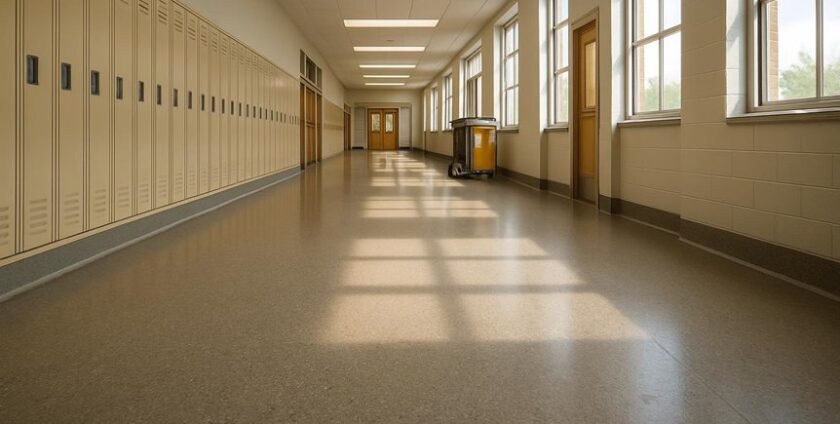
Long-lasting flooring solutions play an important role in the effectiveness of educational environments in Allentown, PA. Schools require durable options that withstand heavy foot traffic while ensuring safety and ease of maintenance. Various flooring materials, including vinyl, rubber, and tile, offer distinct advantages. Understanding these choices is essential for making informed decisions. The implications of these selections extend beyond aesthetics, impacting the comprehensive learning experience. Exploring the specific benefits of each option reveals valuable insights for school administrators.
Importance of Durable Flooring in Schools
Although schools serve as vibrant environments for learning and growth, the choice of flooring serves an essential function in maintaining safety and functionality.
Durable flooring is vital in ensuring the safety of students and staff, preventing slips, trips, and falls. Additionally, high-quality flooring contributes to a conducive learning environment, minimizing distractions and enhancing comfort.
The significance of safety cannot be emphasized enough, as it directly impacts the entire educational experience. Selecting appropriate flooring materials can withstand heavy foot traffic, resist stains, and reduce maintenance costs, ultimately supporting the long-term health and effectiveness of the school’s atmosphere for education. Incorporating specialized flooring installations can also enhance the overall performance of school facilities, making them more functional for various activities.
Factors to Consider When Choosing School Flooring
When selecting flooring for schools, several critical factors must be evaluated to guarantee maximum functionality and safety.
Decision-makers should consider:
- Safety Standards: Flooring must meet safety regulations to prevent slips and falls.
- Durability: High-traffic areas require materials that withstand wear and tear.
- Environmental Impact: Sustainable options minimize ecological footprints and promote a healthy learning environment.
Additionally, it is crucial to implement safety measures to prevent injuries, ensuring a secure atmosphere for students and staff.
Vinyl Flooring: A Versatile Choice
Vinyl flooring stands out as an ideal choice for schools due to its exceptional durability and longevity, making it suitable for high-traffic environments.
Its easy maintenance benefits further enhance its appeal, allowing for efficient cleaning and upkeep.
Additionally, vinyl flooring offers a range of design versatility options, enabling schools to create aesthetically pleasing and functional spaces.
Durability and Longevity
As schools face the daily challenges of high foot traffic and the wear and tear of active environments, selecting a flooring solution that combines durability and longevity becomes paramount.
Vinyl flooring stands out due to its robust characteristics, ideal for educational settings.
Key features include:
- Impact resistance: Withstands heavy loads and accidental drops.
- Weather resistance: Performs well under varying temperature and humidity conditions.
- Longevity: Designed to last for years, minimizing replacement costs.
These attributes guarantee that vinyl flooring remains a practical choice, capable of maintaining its appearance and functionality even in the most demanding school environments. Additionally, our comprehensive flooring solutions ensure that schools in Allentown PA receive tailored options that meet their unique needs.
Easy Maintenance Benefits
Simplicity in maintenance is a crucial consideration for school environments, where time and resources are often limited.
Vinyl flooring offers significant easy cleaning benefits, requiring only regular sweeping and occasional mopping to maintain its appearance. This low-maintenance nature enhances time efficiency, allowing custodial staff to focus on other essential tasks.
Additionally, vinyl’s resistance to stains and spills means that schools can maintain a hygienic environment with minimal effort.
As a versatile choice, vinyl flooring not only meets the rigorous demands of educational settings but also supports efficient cleaning practices, making it an ideal option for Allentown PA schools.
Design Versatility Options
While many flooring options may limit design possibilities, vinyl flooring stands out for its remarkable versatility in aesthetics and functionality. Its adaptability allows schools to create engaging environments that cater to diverse needs.
With an extensive color palette and the potential for pattern mixing, vinyl flooring can complement any design scheme.
- Various textures resembling wood, stone, or tile
- Customizable layouts for unique classroom designs
- Ability to integrate school colors for branding
These features not only enhance visual appeal but also contribute to a cohesive atmosphere, making vinyl flooring an ideal choice for educational institutions. Additionally, its resilient flooring properties provide durability and ease of maintenance, ensuring long-lasting performance in high-traffic areas.
Carpet Tiles: Comfort Meets Functionality
Carpet tiles offer a unique blend of comfort and functionality, making them an ideal flooring solution for educational environments. Their design allows for effective sound absorption, creating quieter spaces conducive to learning.
Available in a wide color variety, carpet tiles can enhance the aesthetic appeal of classrooms and common areas while promoting creativity and engagement among students. Additionally, the modular nature of carpet tiles simplifies maintenance and replacement, ensuring that schools can sustain a clean and welcoming atmosphere.
Generally, carpet tiles balance practicality and comfort, catering to the diverse needs of students and educators alike.
Rubber Flooring: Safety and Shock Absorption
Rubber flooring stands out as a premier choice for schools, primarily due to its exceptional safety features and shock absorption capabilities.
The rubber flooring benefits include:
- Enhanced Safety: Reduces slip hazards, promoting a safer environment for students.
- Shock Absorption Features: Cushions falls, minimizing injury risk during active play and movement.
- Durability: Withstands heavy foot traffic while maintaining its integrity over time.
These characteristics make rubber flooring an ideal solution for school environments, ensuring that safety and comfort are prioritized.
Schools in Allentown, PA, can confidently choose rubber flooring to create a supportive and secure atmosphere for their students.
Hardwood Flooring: A Classic Option
Although many modern flooring options are available, hardwood flooring remains a classic choice for schools, offering timeless appeal and a sense of warmth that fosters a welcoming atmosphere.
The hardwood benefits extend beyond aesthetics; its durability and ease of maintenance make it a practical option for high-traffic environments.
Additionally, hardwood flooring enhances acoustics, creating a conducive learning environment. Its natural beauty complements various interior designs, appealing to both students and educators alike.
Linoleum Flooring: Eco-Friendly and Resilient
Linoleum flooring presents a compelling alternative to traditional hardwood options in educational settings, particularly for those seeking an eco-friendly solution.
This resilient material offers numerous linoleum benefits, making it an attractive choice for schools.
Key advantages include:
- Sustainability: Made from natural materials like linseed oil and jute, it is a biodegradable option.
- Durability: Linoleum withstands heavy foot traffic, ensuring longevity in busy environments.
- Low Maintenance: Easy to clean and maintain, it reduces total upkeep efforts and costs.
These eco-friendly options not only promote a healthier indoor environment but also align with sustainable practices in educational facilities.
Concrete Flooring: Modern Aesthetics and Durability
Concrete flooring has emerged as a compelling choice for educational institutions, combining modern aesthetics with exceptional durability. Its versatile design options allow schools to create visually appealing environments while benefiting from low maintenance requirements. This flooring solution stands out for its resilience, making it suitable for high-traffic areas typical in school settings. Additionally, the use of mechanical concrete polishing ensures a smooth finish while enhancing the overall durability of the floor.
Aesthetic Design Options
In contemporary educational settings, concrete flooring has emerged as a favored choice due to its striking blend of modern aesthetics and remarkable durability.
With a range of aesthetic trends and color palettes, schools can create inviting environments.
- Polished finishes that enhance light reflection and visual appeal.
- Stained options offering a spectrum of colors for personalized designs.
- Textured surfaces that add depth and interest to common areas.
These versatile design choices allow for creativity while maintaining functionality, making concrete flooring an ideal solution for schools seeking both beauty and resilience in their learning spaces. Additionally, the installation of these floors can be executed by certified installation teams, ensuring high-quality results that stand the test of time.
Exceptional Durability Benefits
The choice of flooring in educational settings must balance aesthetic appeal with practical performance, and concrete flooring excels in both regards. Its exceptional durability makes it a long-term investment, capable of withstanding heavy foot traffic, spills, and wear from daily activities.
Schools benefit from lower replacement costs over time, enhancing financial efficiency. Additionally, concrete flooring contributes positively to the environmental impact by reducing the need for frequent renovations and utilizing sustainable materials. The modern aesthetics of polished concrete can create inviting learning environments, ensuring that schools not only meet functional demands but also foster a visually appealing atmosphere for students and staff alike. Furthermore, incorporating recycled materials in concrete can further enhance its sustainability and reduce environmental impact.
Low Maintenance Requirements
One of the standout features of concrete flooring in educational settings is its low maintenance requirements. This characteristic aligns well with sustainability practices and cost effectiveness strategies, making it an ideal choice for schools.
Concrete flooring minimizes the need for frequent repairs and extensive cleaning, allowing staff to focus on educational priorities.
- Resists stains and spills, reducing the frequency of deep cleaning.
- Requires only occasional sweeping and mopping for upkeep.
- Durable surface withstands heavy foot traffic without significant wear.
Additionally, the use of advanced self-leveling polished overlays can further enhance the longevity and aesthetics of school flooring.
Tile Flooring: Easy Maintenance and Design Flexibility
Tile flooring offers numerous advantages for educational environments, combining easy maintenance with remarkable design flexibility.
Its tile durability guarantees resilience against heavy foot traffic and accidental spills, making it an ideal choice for schools.
Furthermore, tile aesthetics provide a wide array of colors, patterns, and textures, enabling schools to create engaging and visually appealing spaces.
This versatility allows for tailored designs that can enhance the learning atmosphere.
Regular cleaning requires only basic sweeping and mopping, making upkeep manageable for staff.
In general, tile flooring stands out as a practical and stylish solution for educational institutions seeking lasting performance and aesthetic appeal. Additionally, the durability of ceramic tiles ensures they can withstand the demands of an active school environment, further solidifying their value.
Budget Considerations for School Flooring
When considering flooring options for schools, budget constraints play a crucial role in the decision-making process.
Schools must explore cost-effective solutions that align with their financial limitations while ensuring durability and safety.
Key considerations include:
- Evaluating long-term costs versus initial investment
- Exploring funding opportunities through grants or community support
- Prioritizing materials that require minimal maintenance
- Considering the potential for recycling C&D materials to reduce overall expenses and promote sustainability in school renovations.
Installation and Maintenance Tips for Longevity
In selecting flooring for schools, the choice of durable materials is essential for ensuring longevity. Implementing regular maintenance practices is equally important, as it helps preserve the integrity and appearance of the flooring over time. Together, these strategies contribute to a sustainable and cost-effective flooring solution for educational environments. Additionally, using epoxy resinous flooring can provide a seamless finish that enhances durability and is easy to maintain.
Choosing Durable Materials
Selecting durable materials for school flooring is vital, as they must withstand heavy foot traffic and various activities while remaining safe and aesthetically pleasing.
Key factors to take into account include:
- Sustainability considerations: Opt for eco-friendly materials that minimize environmental impact.
- Cost-effectiveness analysis: Evaluate long-term costs versus initial investment to guarantee budget-friendly choices.
- Material resilience: Choose options like vinyl, rubber, or polished concrete that resist wear and tear.
These elements not only enhance the longevity of the flooring but also contribute to a healthier learning environment, making informed decisions critical for schools in Allentown, PA. Additionally, incorporating seamless, antimicrobial surfaces can further improve hygiene and safety in educational settings.
Regular Maintenance Practices
Although regular maintenance practices may seem straightforward, they are essential for preserving the integrity and appearance of school flooring.
Establishing consistent cleaning schedules guarantees that dirt and debris do not accumulate, which can damage surfaces over time. Additionally, routine inspections should be conducted to identify any signs of wear or potential issues early on.
This proactive approach allows schools to address problems before they escalate, ultimately extending the lifespan of flooring materials. Furthermore, implementing effective moisture management strategies can significantly enhance the durability of flooring in school environments.
Testimonials From Allentown Schools on Flooring Choices
Numerous testimonials from Allentown schools highlight the importance of choosing the right flooring solutions for enhancing both functionality and aesthetics in educational environments.
Schools have shared insights on their flooring preferences, emphasizing key benefits such as:
- Improved safety with slip-resistant surfaces
- Enhanced acoustics for a better learning atmosphere
- Easy maintenance, promoting cleanliness and hygiene
These testimonials highlight how appropriate flooring choices can considerably impact student engagement and overall satisfaction. Furthermore, ensuring worker safety in the installation process is essential to prevent any potential hazards during renovations.
Frequently Asked Questions
What Are the Best Flooring Options for High-Traffic Areas in Schools?
The best flooring options for high-traffic areas in schools include vinyl, rubber, and laminate. These durable materials offer safety features such as slip resistance and cushioning, ensuring both longevity and protection for students and staff.
How Do I Maintain Different Types of School Flooring?
Maintaining various school flooring types requires regular floor cleaning and specific maintenance tips. For vinyl, use a damp mop; for carpet, frequent vacuuming is essential; and hardwood needs occasional polishing to preserve its finish and durability.
What Is the Average Lifespan of Various School Flooring Materials?
The average lifespan of school flooring materials varies considerably; vinyl typically lasts 10-20 years, while hardwoods can endure 25-30 years. Higher flooring durability often correlates with lower replacement costs, emphasizing the importance of informed material selection.
Are There Eco-Friendly Flooring Options Available for Schools?
Eco-friendly flooring options for schools include sustainable materials such as bamboo and cork, which often carry green certifications. These choices promote environmental responsibility while providing durability and safety for students and staff alike.
How Can Flooring Impact Student Learning and Comfort?
Flooring greatly influences the learning environment and comfort levels in educational settings. Proper flooring enhances acoustics, reduces distractions, and provides adequate support, ultimately fostering a more conducive atmosphere for student engagement and academic performance.
Conclusion
To summarize, selecting the right flooring solution is essential for schools in Allentown, PA, as it directly impacts safety, maintenance, and the general learning environment. Durable options like vinyl, rubber, and tile not only withstand heavy use but also enhance acoustics and aesthetic appeal. By investing in high-quality flooring, educational institutions can guarantee long-term cost efficiency and foster an atmosphere conducive to student engagement and success. Prioritizing durable flooring is a significant step toward creating effective learning spaces.
- By: Francis Burnet
- Tags: Allentown schools, educational environments, flooring solutions
- Category: Commercial Flooring Projects
- 0 comment