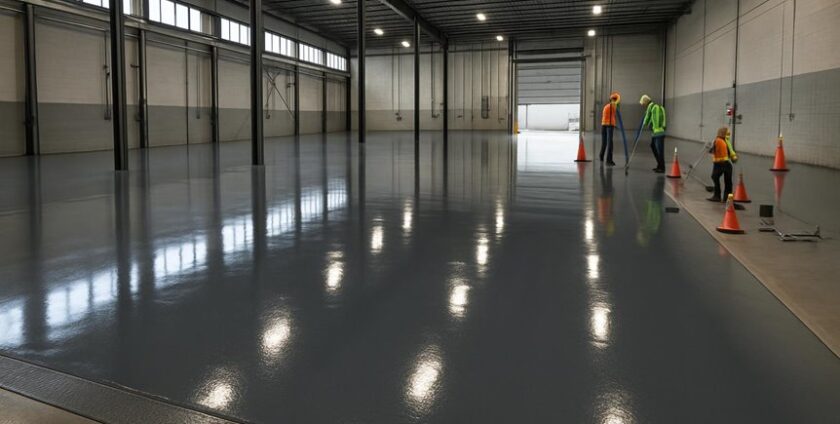
Industrial floor coatings play an essential role in maintaining the functionality and safety of facilities in Trenton, NJ. Selecting the appropriate coating type, such as epoxy or polyurethane, is vital for durability and chemical resistance. Proper surface preparation cannot be overlooked, as it directly impacts the performance of the coating. Understanding the nuances of these coatings can greatly enhance both aesthetics and safety in demanding environments. The following sections will explore these factors in detail.
Understanding Industrial Floor Coatings
Industrial floor coatings are specialized materials designed to protect and enhance the surfaces of commercial and manufacturing environments.
These coatings utilize various application techniques to guarantee peak adhesion and durability, tailored to specific floor types and usage conditions.
The choice of surface textures plays an essential part in enhancing safety, aesthetics, and functionality. For instance, a textured surface can improve traction, minimizing slip hazards in busy workspaces.
Understanding these elements is fundamental for selecting the right industrial floor coating, as they directly influence the performance and longevity of the flooring solution, ultimately contributing to a safer and more efficient operational environment. Additionally, opting for industrial-grade solutions ensures superior chemical resistance, making them ideal for demanding applications.
Benefits of Industrial Floor Coatings
While various flooring options exist, the advantages of industrial floor coatings are particularly notable in enhancing the performance and longevity of commercial spaces.
These coatings offer significant durability advantages, resisting wear, chemicals, and heavy foot traffic, which prolongs the life of the flooring.
Additionally, they provide aesthetic enhancements, allowing businesses to create visually appealing environments that reflect their brand identity.
The variety of colors and finishes available can transform a dull workspace into a vibrant area, contributing to improved employee morale and productivity.
Ultimately, industrial floor coatings represent a practical investment for businesses seeking both functionality and visual appeal. Furthermore, the use of high-quality materials in these coatings ensures exceptional performance and longevity in demanding environments.
Types of Industrial Floor Coatings
Industrial floor coatings come in various types, each offering unique benefits for different applications.
Epoxy and polyurethane floor coatings are among the most popular choices due to their durability and resistance to chemicals and abrasion. Additionally, concrete stain options provide aesthetic appeal while enhancing the surface’s protection and longevity. One of the key advantages of epoxy resins is their ability to create a thermosetting polymer that offers high thermal and chemical resistance, making them ideal for industrial environments.
Epoxy Floor Coatings
Among the various types of industrial floor coatings, epoxy floor coatings stand out for their durability and versatility.
Epoxy benefits include excellent resistance to chemicals, stains, and heavy impacts, making them ideal for high-traffic areas. These coatings can also enhance safety through non-slip surfaces and improved visibility.
Common epoxy applications include warehouses, manufacturing facilities, and commercial kitchens, where they provide a seamless, easy-to-clean surface.
Additionally, epoxy can be customized in color and finish, allowing businesses to align with branding or aesthetic needs. The high-performance epoxy flooring used in projects like The Laurel Rittenhouse Square exemplifies the exceptional durability and visual impact epoxy can provide.
In general, epoxy floor coatings offer a reliable solution for demanding environments.
Polyurethane Floor Coatings
Polyurethane floor coatings are recognized for their exceptional flexibility and resilience, making them a popular choice for various industrial applications.
These coatings offer significant polyurethane advantages, such as excellent abrasion resistance and the ability to withstand chemical exposure, which are essential in demanding environments.
Additionally, their UV stability prevents yellowing, maintaining aesthetic appeal over time.
Polyurethane applications are diverse, ranging from manufacturing facilities to warehouses, where heavy foot and vehicle traffic occur.
Their seamless finish not only enhances safety by reducing slip hazards but also simplifies cleaning processes, making them an ideal solution for industries seeking durability and performance in their flooring systems. Furthermore, when combined with concrete densification, these coatings can significantly extend the lifespan of the flooring in high-traffic areas.
Concrete Stain Options
Concrete stain options provide a versatile approach to enhancing the aesthetic and functional qualities of industrial flooring.
Various stain types, including acid-based and water-based solutions, offer distinct finishes and durability levels. Acid stains penetrate the surface, creating rich, variegated effects, while water-based stains provide a more uniform appearance and a wider range of color options.
These stains not only improve the visual appeal of concrete surfaces but also enhance resistance to wear and chemicals. Additionally, the choice of sustainable flooring can further contribute to environmental conservation efforts while maintaining durability and aesthetics.
Selecting the appropriate stain type and color options allows businesses to achieve a tailored look that aligns with their operational needs and branding, ensuring both practicality and style.
Epoxy Coatings: A Popular Choice
While various flooring options exist, epoxy coatings have emerged as a preferred choice for industrial applications in Trenton, NJ.
The popularity of epoxy coatings is attributed to several key factors:
- Durability: Epoxy coatings withstand heavy foot traffic and equipment.
- Ease of Maintenance: They require minimal upkeep compared to other flooring types.
- Versatile Epoxy Application Techniques: Options include self-leveling and broadcast systems to suit different needs.
- Extensive Epoxy Color Options: Businesses can choose colors that align with branding or safety requirements. Additionally, epoxy coatings offer self-leveling polished overlays that can enhance both aesthetics and functionality in industrial settings.
Polyurethane Coatings: Durability and Flexibility
Polyurethane coatings are renowned for their exceptional impact resistance, making them ideal for high-traffic industrial environments.
Alongside their durability, these coatings offer impressive chemical resistance, safeguarding floors from harsh substances.
Additionally, their temperature tolerance guarantees performance stability across varying conditions, enhancing their overall functionality. Furthermore, understanding moisture management is crucial in ensuring the longevity and effectiveness of these coatings in industrial applications.
Exceptional Impact Resistance
A remarkable feature of polyurethane coatings is their exceptional impact resistance, which makes them an ideal choice for industrial flooring applications.
This characteristic guarantees that the flooring can withstand heavy loads and high-traffic environments, meeting industry standards for durability.
Key benefits of polyurethane’s impact resistance include:
- Protection against physical damage from machinery and equipment.
- Reduced likelihood of cracking or chipping under stress.
- Enhanced longevity of the flooring, leading to cost savings.
- Improved safety for workers by minimizing slip and fall hazards.
Additionally, the focus on preventing work-related injuries in construction highlights the importance of using durable materials like polyurethane to enhance workplace safety.
Chemical Resistance Benefits
When considering industrial flooring solutions, the chemical resistance of polyurethane coatings stands out as a critical advantage.
These coatings effectively withstand various chemical exposures, making them ideal for environments prone to spills and harsh substances. This resilience not only protects the underlying substrate but also contributes to comprehensive floor longevity.
By preventing degradation from chemicals, polyurethane coatings minimize maintenance costs and extend the life of flooring systems. Their flexibility allows them to adapt to the stresses of industrial settings without cracking, further enhancing their durability.
Therefore, polyurethane coatings represent a reliable choice for industries requiring robust chemical resistance.
Temperature Tolerance Advantages
The temperature tolerance of polyurethane coatings greatly enhances their appeal in industrial applications.
These coatings are engineered to withstand temperature extremes while maintaining their integrity, offering significant advantages:
- Thermal Stability: Resists degradation from rapid temperature fluctuations.
- Enhanced Durability: Maintains performance under harsh environmental conditions.
- Flexibility: Adapts to thermal expansion and contraction without cracking.
- Long Lifespan: Reduces the need for frequent reapplication, saving on maintenance costs.
Additionally, the use of polyurethane coatings aligns with ACI’s sustainability initiatives to promote innovative practices in the concrete industry.
Acrylic Coatings: Quick Application and Drying
While many industrial floor coatings require extensive time for application and curing, acrylic coatings stand out due to their quick application and rapid drying times.
These coatings offer significant acrylic benefits, including durability and ease of maintenance, making them an ideal choice for busy industrial environments.
Application techniques for acrylic coatings typically involve roller or spray methods, allowing for efficient coverage of large areas.
The fast-drying nature of acrylics minimizes downtime, enabling facilities to resume operations swiftly.
In general, acrylic coatings provide a practical solution for those seeking effective, time-saving flooring options in industrial settings. Additionally, their multi-layer resinous flooring capabilities make them suitable for various applications, enhancing overall performance.
Polyaspartic Coatings: Fast-Curing Solutions
Polyaspartic coatings offer a rapid installation process that greatly reduces downtime in industrial settings. Known for their enhanced durability features, these coatings withstand heavy foot and vehicle traffic while resisting abrasion and chemicals. Additionally, their versatile application options make them suitable for a broad array of environments, from warehouses to manufacturing facilities. These coatings are often used in conjunction with epoxy resinous flooring solutions for even more robust performance.
Quick Installation Process
Rapid advancements in industrial flooring technology have made polyaspartic coatings a popular choice for businesses in Trenton, NJ, seeking quick installation solutions.
This fast-curing option guarantees that operations can resume swiftly, minimizing downtime.
Key benefits of polyaspartic coatings include:
- Rapid curing time – Typically ready for foot traffic within hours.
- Minimal preparation – Efficient processes reduce surface preparation needs.
- Versatile application – Suitable for various substrates and environments.
- Weather resistance – Can be installed in varying temperature conditions.
These features make polyaspartic coatings an ideal choice for companies prioritizing quick installation without compromising quality. Additionally, the Applicator Training Program ensures that installers are well-equipped with the skills needed for optimal application.
Enhanced Durability Features
Durability stands as an essential factor for industrial floor coatings, especially in demanding environments.
Polyaspartic coatings offer enhanced durability features due to their fast-curing properties, allowing for quicker return to service. These coatings withstand heavy foot and vehicle traffic, making them suitable for warehouses and manufacturing facilities.
Additionally, their diverse surface textures contribute to slip resistance and overall safety. Sustainability factors are also considered, as polyaspartic coatings often contain lower volatile organic compounds (VOCs), aligning with eco-friendly practices. Furthermore, the exceptional strength ratings of polyaspartic coatings ensure long-term durability in high-traffic areas.
Ultimately, the combination of rapid curing and robust performance makes polyaspartic coatings a superior choice for industrial applications in Trenton, NJ.
Versatile Application Options
With the increasing demand for efficient and reliable flooring solutions, polyaspartic coatings emerge as a preferred option for various industrial applications.
Their fast-curing properties allow for quick turnaround times, minimizing downtime. Additionally, these coatings offer versatile application techniques and extensive customization options to meet specific needs.
- Fast Application – Cures rapidly, enabling same-day use.
- Weather Resistance – Suitable for both indoor and outdoor use.
- Color Customization – Various hues and finishes available.
- Durable Layering – Capable of multiple coats for enhanced protection.
Moreover, ensuring proper construction safety practices during application can further enhance worker protection and minimize risks associated with industrial flooring projects.
Choosing the Right Coating for Your Facility
How can facility managers guarantee they select the most suitable industrial floor coating for their specific needs? By conducting a thorough facility usage analysis, managers can identify factors such as foot traffic, equipment type, and chemical exposure.
Establishing clear coating selection criteria—including durability, slip resistance, and ease of maintenance—ensures informed decisions. Additionally, understanding specific industry requirements, such as hygiene standards for food processing or anti-static properties for electronics, is essential. Incorporating safety standards into the selection process is vital to ensure that the flooring meets the necessary regulations for the intended environment.
Ultimately, aligning these considerations with the facility’s operational demands enables facility managers to choose a coating that effectively supports productivity and safety, enhancing the longevity of the flooring investment.
Surface Preparation for Coating Application
Surface preparation is a critical step in the application of industrial floor coatings, as it directly influences the adhesion and performance of the coating. Proper surface preparation involves several key processes that guarantee ideal results.
- Substrate Assessment: Evaluate the condition of the floor to identify imperfections or contaminants.
- Surface Cleaning Techniques: Use appropriate methods, such as pressure washing or chemical cleaners, to remove grease, dirt, and debris.
- Repair: Fix any cracks or damage to create a smooth surface.
- Profiling: Create a textured surface for better coating adhesion.
Adhering to these steps guarantees a successful coating application.
Maintenance Tips for Long-Lasting Floors
Maintaining industrial floors is essential for ensuring their longevity and ideal performance over time. Regular floor cleaning using appropriate cleaning products helps eliminate debris and prevent surface damage.
Implementing routine inspections and maintenance schedules allows for timely wear assessment, identifying areas needing repair techniques. Surface protection measures, such as mats and coatings, guard against excessive wear and moisture control is crucial to prevent deterioration.
Seasonal care should be integrated into maintenance plans, adapting cleaning methods to changing conditions.
Finally, focusing on accident prevention by keeping floors clear and well-maintained contributes to a safer work environment for all employees. Additionally, utilizing a Construction Checklist can help ensure that all maintenance tasks are consistently monitored and executed effectively.
Cost Considerations for Industrial Floor Coatings
Numerous factors influence the total cost of industrial floor coatings, making it essential for businesses to conduct thorough evaluations before making a decision.
Key cost considerations include:
- Material Quality: Higher quality materials often result in longer-lasting floors, potentially reducing future repair costs.
- Surface Preparation: Proper preparation is vital and may add to initial costs.
- Application Method: Different techniques can impact labor costs considerably.
- Budget Constraints: Businesses must balance desired quality with financial limits to make informed choices.
Understanding these factors can help companies navigate their options effectively while managing budget constraints and prioritizing material quality.
Finding a Professional Coating Contractor in Trenton NJ
How can businesses in Trenton, NJ, guarantee they choose the right professional coating contractor for industrial floor projects?
First, evaluate contractor qualifications by reviewing licenses, certifications, and experience in industrial coatings. A well-qualified contractor will possess a strong portfolio showcasing past projects.
Additionally, businesses should seek local reviews to gauge customer satisfaction and reliability. Websites, social media, and word-of-mouth referrals can provide insight into the contractor’s reputation.
Frequently Asked Questions
How Long Do Industrial Floor Coatings Typically Last?
Industrial floor coatings typically last between five to fifteen years, depending on durability factors such as material quality and environmental conditions. Regular maintenance tips, including cleaning and inspections, can greatly enhance their lifespan and performance.
Can I Apply Coatings Over Existing Floors?
Yes, coatings can be applied over existing floors. Nevertheless, proper surface preparation is essential to guarantee adhesion and longevity. Various coating types may require different preparation methods to achieve the best results and performance.
What Is the Curing Time for Different Coatings?
Curing times for different coatings vary considerably, typically ranging from a few hours to several days. The curing process is influenced by factors such as temperature and humidity, and the use of curing agents can expedite this process.
Are There Eco-Friendly Industrial Floor Coating Options?
Yes, there are eco-friendly industrial floor coating options available, often made from sustainable materials. These coatings greatly reduce environmental impact, promoting safer work environments while maintaining durability and performance standards for various industrial applications.
How Do Temperature and Humidity Affect Application?
Temperature considerations and humidity levels considerably influence the application of industrial floor coatings. High temperatures can accelerate curing, while raised humidity may lead to moisture entrapment, affecting adhesion and general performance of the coating.
Conclusion
To sum up, selecting the right industrial floor coating in Trenton, NJ, is essential for ensuring durability, safety, and aesthetic appeal. With options like epoxy and polyurethane available, businesses can tailor their choice to meet specific operational needs. Proper surface preparation and ongoing maintenance further enhance the longevity of these coatings. By engaging a qualified local contractor, companies can maximize performance and achieve ideal results, ultimately creating a functional and visually appealing environment in their facilities.
- By: Francis Burnet
- Tags: facility appearance, floor safety, industrial coatings
- Category: Industrial & Warehouse Floors
- 0 comment