
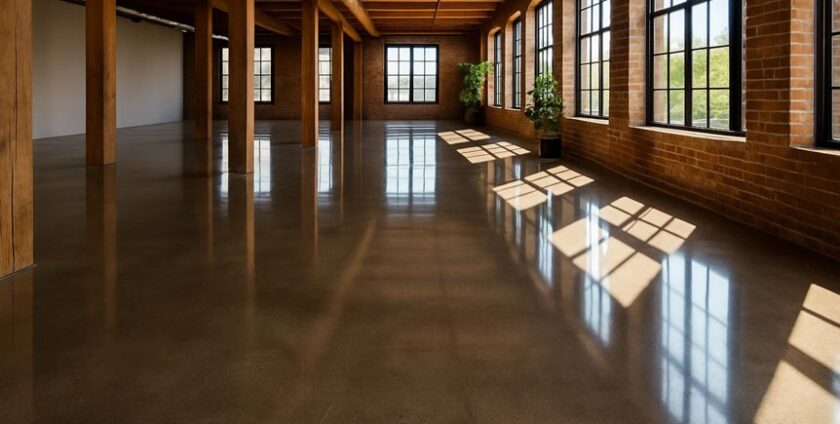
Polished concrete floors have gained popularity in Doylestown, PA, due to their resilience and aesthetic versatility. These floors not only enhance the visual appeal of a space but also offer practical benefits such as easy maintenance and long-lasting durability. Understanding the various options and processes involved in installing polished concrete can help homeowners and business owners make informed decisions. As the following sections will reveal, there are essential factors to take into account before proceeding with this flooring choice.
What Are Polished Concrete Floors?
Although often overlooked, polished concrete floors are a progressively favored flooring option that combines durability with aesthetic appeal.
These floors exhibit polished characteristics, including a glossy finish and enhanced strength, making them suitable for various environments.
The process begins with thorough surface preparation, which involves grinding and leveling the concrete to eliminate imperfections.
Following this, a series of polishing steps are employed, utilizing specialized equipment and diamond abrasives to achieve the desired sheen.
This meticulous approach not only enhances the visual quality of the concrete but also contributes to its longevity, positioning polished concrete as a practical and attractive flooring solution. Additionally, the application of industrial-grade densifiers increases concrete hardness, ensuring that these floors withstand high traffic and extend their lifespan.
Benefits of Polished Concrete Floors
Polished concrete floors offer significant advantages that make them an appealing choice for various settings.
Their durability and longevity guarantee that they withstand heavy foot traffic and resist wear over time, while their aesthetic appeal provides a modern and versatile look that can complement any design style. Additionally, these floors can be enhanced with decorative epoxy flooring options to elevate their visual appeal while maintaining their inherent durability.
These characteristics make polished concrete an ideal flooring solution for both residential and commercial spaces.
Durability and Longevity
Durability stands as a hallmark of polished concrete floors, making them a preferred choice for both residential and commercial spaces.
Their inherent wear resistance guarantees they can withstand heavy foot traffic and daily use without significant deterioration.
Unlike other flooring options, polished concrete boasts an impressive lifespan expectancy, often lasting several decades with minimal maintenance.
This longevity not only reduces the need for frequent replacements but also contributes to long-term cost savings.
Consequently, property owners seeking a reliable and durable flooring solution often find polished concrete to be a wise investment for enduring performance and resilience. Moreover, these floors can be enhanced with self-leveling polished overlays, providing an additional layer of durability and aesthetic appeal.
Aesthetic Appeal and Versatility
When considering flooring options, the aesthetic appeal and versatility of polished concrete floors often stand out as significant advantages.
These floors can seamlessly adapt to various aesthetic trends, ranging from modern minimalism to industrial chic, making them suitable for residential and commercial spaces alike. Their polished finish reflects light, enhancing the ambiance of any environment.
Additionally, polished concrete allows for versatile applications, including retail spaces, restaurants, and even homes, offering a uniform look that complements diverse interior designs.
With an extensive selection of colors and textures available, polished concrete provides an attractive and functional flooring solution for many settings. The TRU PC surface delivers an authentic polished concrete look with superior performance, making it ideal for high-traffic areas.
Design Options for Polished Concrete
What design options are available for polished concrete floors? Homeowners and businesses can explore numerous possibilities to enhance their spaces.
Various color combinations can be achieved through staining or dyeing, allowing for customization that complements existing decor.
Additionally, pattern designs such as geometric shapes, swirls, or even logos can be incorporated to create a unique look.
The choice of finish, whether matte or glossy, further influences the general aesthetic.
With the ability to mix and match colors and patterns, polished concrete floors provide an opportunity for creativity, ensuring a visually appealing and functional surface tailored to individual preferences. Moreover, incorporating sustainable materials into the design can enhance both the aesthetic and environmental impact of the flooring choice.
The Installation Process
The installation process for polished concrete floors involves several key steps that guarantee a high-quality finish.
Initially, the surface is prepared using various installation techniques, which may include grinding and leveling to eliminate imperfections.
Following this, a curing process is essential to confirm the concrete achieves maximum strength and durability. This involves allowing the concrete to set properly before any polishing begins.
Once cured, the floor is polished using specialized equipment, progressively refining the surface to achieve the desired sheen.
Finally, a sealant may be applied to protect the surface and enhance its appearance, confirming longevity and ease of maintenance. Additionally, epoxy resins can be utilized as a sealant option to improve the durability and chemical resistance of the polished surface.
Cost Considerations
Following the completion of the installation process, understanding the financial aspects associated with polished concrete floors becomes paramount.
Cost considerations involve a comprehensive budget planning strategy, which should include a detailed cost breakdown. Factors influencing expenses include material selection, labor costs, and the complexity of the design.
Homeowners should anticipate initial installation costs and potential long-term savings due to reduced maintenance and durability. Additionally, considering the benefits of reducing disposal of C&D materials can further enhance the sustainability of your flooring choice.
Maintenance and Care Tips
Although polished concrete floors are renowned for their durability and low maintenance requirements, regular care is vital to preserve their appearance and longevity.
Implementing effective cleaning techniques, such as using a pH-neutral cleaner and a microfiber mop, helps maintain the floor’s sheen. Additionally, routine inspections are important to identify any signs of wear or damage early, allowing for timely repairs.
Avoid abrasive cleaners and tools that may scratch the surface. By following these maintenance and care tips, property owners can guarantee their polished concrete floors remain stunning and functional for years to come, maximizing their investment.
Environmental Impact
Proper maintenance not only enhances the aesthetic appeal of polished concrete floors but also contributes to their environmental sustainability.
By incorporating sustainability practices, polished concrete minimizes waste through its durability and longevity. The use of eco-friendly materials during the installation process further reduces the environmental footprint, as many polished concrete products utilize recycled content.
Additionally, polished concrete floors require less energy for heating and cooling, promoting energy efficiency in homes and buildings. This combination of durability, low maintenance, and energy efficiency makes polished concrete an excellent choice for environmentally conscious consumers seeking sustainable flooring solutions. Furthermore, the Better Buildings Initiative encourages the use of innovative materials and practices, further supporting sustainable building solutions.
Comparing Polished Concrete to Other Flooring Options
When comparing polished concrete to other flooring options, two key factors emerge: durability and maintenance.
Polished concrete is recognized for its exceptional longevity, often outlasting traditional materials such as wood or carpet.
Additionally, its low maintenance requirements make it a practical choice for both residential and commercial settings.
Durability and Longevity
Polished concrete floors stand out for their exceptional durability and longevity, especially when compared to other flooring options. Their wear resistance guarantees minimal damage over time, making them ideal for high-traffic areas.
Unlike carpets or vinyl, polished concrete is less prone to scratches and stains, maintaining its aesthetic appeal longer. Additionally, its impact resistance allows it to endure heavy loads without cracking, setting it apart from traditional materials like wood or laminate.
This combination of features not only enhances performance but also provides significant cost savings over the lifespan of the flooring, making polished concrete a wise investment. Furthermore, polished concrete can seamlessly integrate with resinous poured flooring systems, offering even more versatility and design options for various applications.
Maintenance and Care
Maintaining polished concrete floors is relatively straightforward, especially in comparison to other flooring options. This simplicity is attributed to their durability and resistance to wear. The following practices guarantee ideal maintenance:
- Regular cleaning techniques: Utilize a dust mop and gentle cleaner to keep surfaces clear of debris.
- Routine inspections: Check for cracks or stains to address issues promptly.
- Avoid harsh chemicals: Use pH-balanced products to prevent damage.
- Resealing as needed: Apply a sealer every few years to maintain shine and durability.
These measures enhance the longevity of polished concrete, making it a practical choice for many settings. Additionally, regular inspections can help identify and mitigate potential issues before they escalate, ensuring your floors remain in optimal condition.
Common Myths About Polished Concrete
What misconceptions might people hold about polished concrete floors? Common misconceptions often include beliefs that these floors are cold and slippery, or that they lack design versatility. Myth debunking reveals that polished concrete can actually retain warmth and provides an assortment of finishes and colors. Another frequent myth is that polished concrete is only suitable for commercial spaces, while residential applications are becoming more and more favored. Additionally, some assume that maintenance is overly complicated; nonetheless, proper care is straightforward. Understanding these myths helps homeowners and business owners make informed decisions about integrating polished concrete into their spaces.
Choosing the Right Finish
Selecting the appropriate finish for polished concrete floors is vital to achieving the desired aesthetic and functionality.
One must consider options such as glossy versus matte finishes, the importance of slip resistance, and the variety of color and staining possibilities.
Each choice considerably impacts the comprehensive appearance and safety of the floor, making informed decisions essential. Additionally, understanding the hydration process of concrete can help ensure that the flooring maintains its integrity and durability over time.
Glossy vs. Matte Finish
When considering the ideal finish for polished concrete floors, it is natural to question how the choice between a glossy and matte finish impacts both aesthetics and functionality.
Each finish offers distinct characteristics that can enhance a space:
- Glossy advantages: Reflects light, creating an illusion of space.
- Matte benefits: Provides a subtle, sophisticated look with less glare.
- Maintenance: Glossy finishes may require more upkeep to maintain shine, while matte finishes hide imperfections better.
- Style compatibility: Glossy suits modern aesthetics, while matte complements rustic or industrial designs.
Ultimately, the choice hinges on personal preference and the intended use of the space. Additionally, considering moisture management is crucial, as it can affect the longevity and performance of your polished concrete floors.
Slip Resistance Considerations
A significant factor in the choice of finish for polished concrete floors is slip resistance, which can greatly influence safety and functionality.
Selecting appropriate slip resistance materials is vital, particularly in environments prone to moisture or heavy foot traffic. Various finishes can achieve different levels of slip resistance, and it is essential to adhere to established safety standards when making these decisions.
Higher gloss finishes may enhance aesthetics but can compromise traction, while textured surfaces may provide better grip. Ultimately, balancing visual appeal with safety is key to ensuring ideal performance and user safety in polished concrete flooring applications. Additionally, understanding the rising mental health issues and opioid use among workers in construction can further emphasize the importance of a safe working environment.
Color and Staining Options
Color choices and staining options play an essential role in the comprehensive aesthetic of polished concrete floors. Selecting the appropriate finish involves understanding various staining techniques and available color palettes.
Homeowners and designers alike should consider factors such as the desired ambiance and existing decor. Key options include:
- Acid stains for rich, translucent hues
- Water-based stains for vibrant colors
- Concrete dyes for an extensive variety of shades
- Epoxy coatings for a glossy, durable finish
These choices not only enhance visual appeal but also contribute to the overall functionality of polished concrete surfaces, ensuring a cohesive look that meets individual preferences. Additionally, incorporating waterproofing techniques can help protect polished concrete from moisture damage, extending its lifespan and maintaining its beauty.
Applications for Residential and Commercial Spaces
Although polished concrete floors are often associated with industrial and commercial environments, their versatility has made them more and more favored in residential spaces as well.
In residential applications, polished concrete provides a sleek, modern aesthetic while being durable and easy to maintain. Homeowners utilize this flooring in living rooms, kitchens, and basements for its aesthetic appeal and longevity.
For commercial applications, such as retail stores and offices, polished concrete offers a professional look and can withstand heavy foot traffic. Its resistance to stains and scratches makes it an ideal choice for both settings, combining functionality with style. Additionally, low maintenance solutions make polished concrete an appealing choice for busy households and high-traffic commercial areas.
Finding a Professional Installer in Doylestown PA
When searching for a professional installer of polished concrete floors in Doylestown, PA, it is crucial to contemplate several key factors to guarantee a successful project.
The right installer will have the necessary qualifications and a strong project portfolio to showcase their expertise.
Consider the following aspects:
- Installer qualifications: Verify certifications and training in polished concrete techniques.
- Experience: Look for installers with a proven track record in similar projects.
- Client testimonials: Seek feedback from previous customers to assess satisfaction.
- Portfolio: Review past work to gauge design versatility and quality.
Thorough evaluation guarantees an ideal installation experience.
Frequently Asked Questions
How Long Does It Take to Install Polished Concrete Floors?
The installation timeline for polished concrete floors typically ranges from a few days to a week, depending on the complexity of the project and the extent of floor preparation needed to achieve a smooth finish.
Can Polished Concrete Floors Be Repaired if Damaged?
Yes, polished concrete floors can be repaired using various repair techniques. To minimize future issues, damage prevention strategies such as regular maintenance and protective sealers are recommended, ensuring longevity and maintaining the floor’s aesthetic appeal.
Are Polished Concrete Floors Slippery When Wet?
Polished concrete floors can be slippery when wet, depending on their finish. To enhance slip resistance, maintaining proper cleaning and applying anti-slip treatments are essential maintenance tips for ensuring safety in wet conditions.
What Colors Are Available for Polished Concrete Finishes?
Polished concrete finishes offer a wide array of color options, including earthy tones, vibrant hues, and custom blends. This design flexibility allows homeowners and businesses to achieve personalized aesthetics that complement their unique styles and environments.
Do Polished Concrete Floors Require Sealing?
Polished concrete floors typically require sealing to enhance durability and protect against stains. The sealing process involves applying a protective coating, and regular maintenance tips include periodic resealing to maintain the floor’s appearance and longevity.
Conclusion
To sum up, polished concrete floors present a versatile and durable flooring solution for both residential and commercial spaces in Doylestown, PA. With a wide array of design options and benefits, these floors not only enhance aesthetics but also provide long-lasting performance. It is essential to select a qualified installer to guarantee superior results. By understanding the installation process and cost considerations, property owners can make informed decisions to enjoy the beauty and functionality of polished concrete for years to come.
- By: Francis Burnet
- Tags: Doylestown PA, flooring options, polished concrete
- Category: Polished Concrete Floors
- 0 comment