
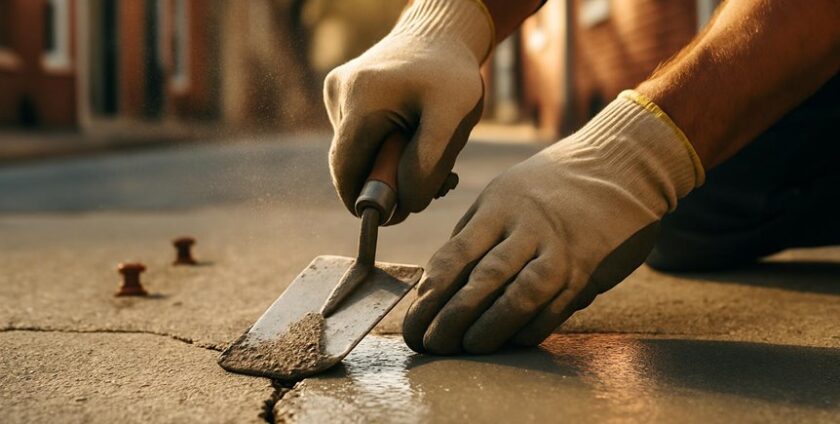
Concrete restoration in Wilmington, DE, requires a clear understanding of the various types of damage that can occur. Factors such as environmental exposure and improper maintenance can lead to cracks and surface deterioration. Proper assessment and preparation are essential for effective repairs. This guide will outline key techniques and tools for restoration, as well as preventative measures to enhance the longevity of concrete surfaces. The implications of neglecting these strategies may be significant.
Understanding Concrete Damage
Although concrete is renowned for its durability, various factors can lead to its deterioration over time. Environmental factors such as moisture, temperature fluctuations, and exposure to chemicals considerably impact concrete durability.
For instance, freeze-thaw cycles can cause cracking, while prolonged contact with de-icing salts may weaken the material. Additionally, improper installation techniques can exacerbate vulnerabilities, allowing water infiltration and corrosion of embedded steel reinforcement.
Understanding these influences is essential for identifying potential damage and implementing effective restoration strategies. By recognizing the environmental conditions that affect concrete, property owners can better preserve their structures and extend the lifespan of their investments. Moreover, addressing moisture management is critical for ensuring the longevity and performance of concrete installations.
Common Types of Concrete Damage
Numerous types of concrete damage can manifest, each with distinct characteristics and implications for structural integrity.
Understanding these common issues is essential for effective restoration efforts.
- Crack Formation: Often resulting from shrinkage, temperature changes, or excessive load, cracks can compromise the concrete’s strength and appearance.
- Surface Deterioration: This includes flaking, spalling, or scaling due to moisture infiltration, freeze-thaw cycles, or chemical exposure, leading to weakened surfaces.
- Settlement Issues: Uneven settling can create voids beneath the concrete, causing further cracking and instability.
Recognizing these types of damage is vital for timely and effective concrete restoration. Additionally, addressing issues like environmental considerations during restoration can help enhance the longevity and durability of concrete structures.
Assessing the Severity of Damage
How can one accurately assess the severity of concrete damage to guarantee appropriate restoration measures? A comprehensive damage assessment is vital for determining the necessary interventions.
Severity indicators include visible cracks, spalling, and discoloration, each providing insights into the underlying issues. Small hairline fractures may suggest minimal damage, whereas wide cracks or crumbling surfaces indicate more significant concerns that could compromise structural integrity.
Additionally, evaluating the extent of water infiltration or corrosion can further inform the severity of the damage. By understanding these indicators, property owners can make informed decisions regarding the scope and urgency of restoration efforts. An assessment that identifies self-leveling polished overlays can offer a high-performance solution for restoring the flooring’s aesthetics and functionality.
Tools and Materials for Concrete Restoration
An array of specialized tools and materials is essential for effective concrete restoration, ensuring that repairs are both durable and visually appealing.
Utilizing the right equipment enhances the success of concrete repair and the application of restoration techniques. Key tools and materials include:
- Concrete Mix: A high-quality mixture tailored for durability and adhesion to existing surfaces.
- Trowels and Floats: Essential for smoothing and shaping the repaired area, ensuring a seamless finish.
- Chisels and Saws: Used for removing damaged concrete and preparing the surface for effective repairs.
Additionally, incorporating mechanical concrete polishing can further improve the surface texture and appearance of the restored area. These components are critical for achieving long-lasting results in concrete restoration projects.
Preparing the Surface for Repair
Before applying any repair materials, proper surface preparation is fundamental to achieving ideal results in concrete restoration.
The initial step involves surface cleaning to remove dirt, grease, and debris, ensuring a solid bond with repair products. Following this, a thorough damage assessment is essential to identify cracks, spalling, or other issues that require attention.
This assessment guides the selection of appropriate repair techniques and materials. Without adequate preparation, the longevity and effectiveness of repairs can be compromised.
Therefore, investing time in these preliminary steps will greatly enhance the overall success of the concrete restoration project. Additionally, adhering to guidelines from the ACI CODE-318 can ensure structural integrity during the repair process.
Repair Techniques for Cracks
The repair of cracks in concrete is essential for maintaining structural integrity and aesthetic appeal.
Various techniques exist, each suited to specific types of cracks, and they require particular tools and materials for effective execution.
A systematic approach to the repair process guarantees that the underlying issues are addressed while achieving a durable and lasting solution.
Types of Crack Repairs
While various factors can contribute to cracks in concrete structures, selecting the appropriate repair technique is essential for ensuring long-term durability and stability.
Here are three common methods used for crack repairs:
- Epoxy Injection: This method involves injecting epoxy resin into cracks to restore structural integrity and prevent water infiltration.
- Polyurethane Foam: This flexible material expands upon application, effectively sealing cracks and providing additional support to compromised areas.
- Surface Sealing: A topical application of sealant can protect against moisture and environmental damage, extending the lifespan of the concrete.
Understanding these options enables informed decisions for effective concrete restoration.
Tools and Materials Needed
Having the right tools and materials is essential for effectively executing any crack repair technique in concrete restoration.
Essential concrete tools include a chisel, hammer, and wire brush for surface preparation, alongside a caulking gun for applying repair materials.
Restoration materials such as epoxy, polyurethane sealants, and concrete patching compounds are vital for filling cracks and ensuring durability.
Additionally, a mixing paddle and trowel facilitate the preparation and application of these materials.
Proper selection and use of these tools and materials not only enhance the repair process but also contribute to the longevity of the restored concrete surface.
Step-by-Step Process
Begin the concrete crack repair process by thoroughly evaluating the extent of the damage. This assessment is vital for selecting appropriate restoration techniques. Proper surface preparation is essential to guarantee a successful repair.
- Clean the crack: Remove debris, dust, and loose material using a wire brush or pressure washer.
- Apply a filler: Choose a suitable concrete repair compound to fill the crack, making sure it adheres well.
- Finish the surface: Smooth the area to blend it with the surrounding concrete, allowing it to cure as recommended.
Following these steps will enhance the longevity and effectiveness of the repair.
Addressing Spalling and Surface Wear
Spalling and surface wear are common issues that can considerably compromise the integrity and aesthetic appeal of concrete surfaces. The primary spalling causes include moisture infiltration, freeze-thaw cycles, and poor-quality materials. These factors lead to the deterioration of the concrete, creating unsightly chips and cracks.
To address these issues, effective surface treatment options are essential. Techniques such as patching, resurfacing, and sealing can restore the surface’s functionality and appearance. Regular maintenance and timely intervention can prevent further damage, ensuring the longevity of concrete structures. Understanding these factors allows property owners to make informed decisions regarding restoration and preservation efforts. Furthermore, utilizing recycling C&D materials can provide sustainable options for sourcing concrete and other building materials during restoration projects.
Choosing the Right Concrete Mix
Addressing surface wear and spalling effectively often starts with selecting the right concrete mix.
A well-structured mix design is essential for durability and performance. Key considerations include:
- Water-to-Cement Ratio: A balanced ratio guarantees strength and minimizes cracking.
- Aggregate Selection: The type and size of aggregates influence the concrete’s strength and workability.
- Additives and Admixtures: Incorporating chemical additives can enhance properties such as curing time and resistance to environmental factors.
Applying Sealants and Coatings
Applying sealants and coatings is an essential step in enhancing the longevity and performance of concrete surfaces. Various sealant types, including penetrating, film-forming, and elastomeric, offer distinct advantages depending on the specific application and environmental conditions.
By selecting the appropriate sealant, property owners can effectively prevent moisture intrusion, reduce the risk of cracking, and inhibit mold growth. Additionally, coatings provide benefits such as improved aesthetics, UV protection, and enhanced durability against chemical spills.
Ultimately, applying the right sealant or coating not only protects concrete surfaces but also extends their lifespan, making it a significant aspect of concrete restoration.
Preventative Measures for Future Damage
Implementing preventative measures is essential for safeguarding concrete surfaces against future damage. Effective strategies include:
- Regular Preventive Maintenance: Routine inspections and timely repairs can identify issues before they escalate.
- Weather Protection: Applying protective coatings can shield concrete from moisture and extreme temperatures, reducing wear and tear.
- Proper Drainage: Ensuring adequate drainage around concrete structures prevents water accumulation, which can lead to cracking and erosion.
Hiring Professionals vs. DIY Restoration
When deciding between hiring professionals and undertaking DIY restoration for concrete surfaces, it is essential to weigh the benefits and drawbacks of each option.
Hiring professionals typically guarantees a high-quality finish and adherence to safety considerations, which can be particularly vital in complex projects. Nevertheless, this route often incurs higher costs.
Conversely, DIY restoration may be more budget-friendly, appealing to those looking for a cost comparison. Yet, individuals must possess the necessary skills and tools, as mistakes can lead to further damage and increased expenses.
Ultimately, the decision should align with the project’s scope, budget, and individual capabilities.
Maintaining Restored Concrete Surfaces
Regular maintenance is essential for preserving the integrity and appearance of restored concrete surfaces.
Implementing effective surface maintenance practices guarantees the longevity of these investments.
Key strategies include:
- Regular Cleaning: Utilize a gentle cleanser to remove dirt and stains, preventing degradation over time.
- Sealing: Apply a high-quality sealant every few years to protect against moisture and wear.
- Prompt Repairs: Address cracks or chips immediately to prevent further damage and maintain structural integrity.
Frequently Asked Questions
How Long Does Concrete Restoration Typically Take?
Concrete restoration typically takes several days to weeks, depending on time factors such as project size, complexity, weather conditions, and drying times. Understanding these variables can aid in accurately estimating the total project duration.
What Is the Average Cost of Concrete Restoration in Wilmington?
The average cost of concrete restoration in Wilmington varies considerably, influenced by cost factors such as project size, materials, and labor. Homeowners should obtain detailed project estimates to understand potential expenses accurately.
Are There Any Weather Restrictions for Concrete Restoration?
Yes, weather conditions greatly affect concrete restoration. Extreme temperatures, rain, or high humidity can hinder restoration techniques, leading to improper curing and potential damage. It’s essential to monitor forecasts and choose ideal times for effective restoration work.
Can I Apply Sealants Immediately After Restoration?
Applying sealants immediately after restoration is generally not advisable. Proper curing of restoration techniques is essential. Different sealant types require specific waiting periods to guarantee ideal adhesion and performance, enhancing the longevity of the restored surface.
How Often Should I Maintain My Restored Concrete Surfaces?
Restored concrete surfaces should be maintained regularly, ideally every six months. A thorough surface evaluation should be conducted during each maintenance schedule to identify wear, ensuring longevity and peak performance of the restored concrete.
Conclusion
To summarize, effective concrete restoration in Wilmington, DE, requires a thorough understanding of damage types and proper assessment techniques. By utilizing quality tools, tailored mixes, and appropriate sealants, property owners can greatly enhance the durability and aesthetics of their concrete surfaces. Regular maintenance and preventative measures play an essential role in extending the lifespan of these installations. Whether opting for professional services or undertaking DIY projects, informed decisions will guarantee successful and lasting concrete restoration outcomes.
- By: Francis Burnet
- Tags: concrete restoration, surface repair, Wilmington DE
- Category: Surface Preparation & Grinding, Troubleshooting Common Flooring Issues
- 0 comment