
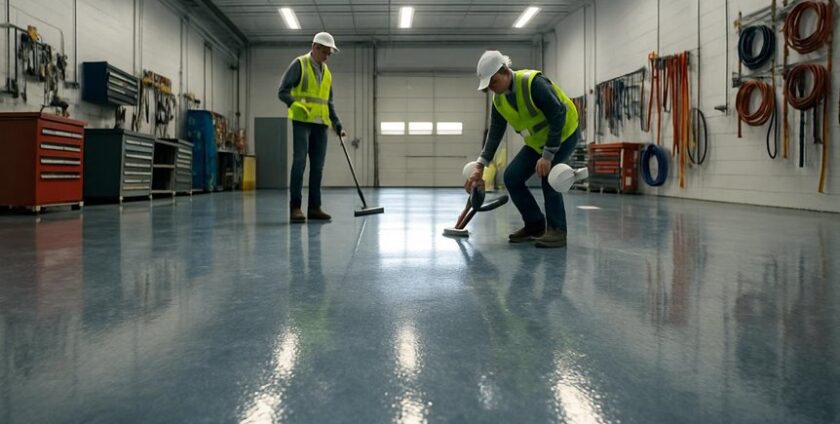
Resinous flooring offers a durable and versatile solution for various environments. In Reading, PA, understanding the nuances of installation and maintenance is vital for achieving ideal results. From selecting the right materials to ensuring proper surface preparation, each step impacts the longevity and performance of the floor. This discussion will explore essential tips and strategies that can help homeowners and businesses make informed decisions about this flooring option.
Understanding Resinous Flooring Types
Resinous flooring encompasses an assortment of materials designed to provide durable and resilient surfaces for both commercial and residential applications.
Among the most popular types are epoxy coatings and polyurethane options. Epoxy coatings are known for their strong adhesion and resistance to chemicals, making them ideal for industrial environments.
Conversely, polyurethane options offer enhanced flexibility and UV resistance, suitable for areas exposed to sunlight.
Each type possesses unique characteristics that cater to different needs, allowing property owners to select the appropriate solution based on factors such as traffic levels, environmental conditions, and aesthetic preferences. Understanding these differences is essential for informed decision-making. Additionally, specialized flooring solutions like anti-slip safety flooring are designed to enhance safety in wet areas, ensuring optimal performance and protection in various settings.
Benefits of Resinous Flooring
When considering flooring options, the benefits of resinous flooring are particularly significant, especially for those seeking durability and performance.
This flooring type offers notable durability advantages, effectively resisting wear and chemical damage, which makes it ideal for high-traffic areas.
Additionally, resinous flooring can enhance aesthetic appeal with an array of colors and finishes, allowing customization to suit any environment.
Cost effectiveness is another key benefit, as its longevity reduces replacement costs over time.
Moreover, its low maintenance requirements simplify upkeep, making it an attractive choice for both residential and commercial spaces looking for a practical yet stylish flooring solution.
Furthermore, resinous flooring can be complemented by expert concrete polishing techniques to further enhance its durability and appearance.
Ideal Locations for Resinous Flooring
The durability and low maintenance of resinous flooring make it a prime choice for various locations. This flooring solution is particularly well-suited for industrial facilities and commercial kitchens, where resilience is paramount.
Residential garages benefit from its aesthetic and functional qualities, while healthcare environments require hygienic surfaces that resinous flooring provides. Retail spaces and showrooms can utilize its versatility to enhance customer experiences.
Additionally, restaurant kitchens and art studios appreciate the ease of cleaning, and outdoor patios can leverage its weather-resistant properties. Educational institutions also find resinous flooring ideal for high-traffic areas, ensuring longevity and maintenance efficiency. With over 50 years of combined industry experience, Comprehensive Flooring Solutions can tailor resinous flooring to meet the unique demands of any setting.
Key Features to Look for in Resinous Flooring
Choosing the right resinous flooring involves evaluating several key features that contribute to its performance and suitability for specific environments.
One critical aspect is resinous flooring durability, which guarantees the material can withstand heavy foot traffic, chemicals, and abrasions. Additionally, the flooring’s resistance to stains and moisture is essential for maintaining its integrity over time.
Another important feature is resinous flooring aesthetics; the visual appeal can enhance the general ambiance of a space. Options in texture, color, and design allow for customization, making it essential to select a product that meets both functional and aesthetic requirements for the intended application. Furthermore, it’s important to consider exceptional customer service and technical support offered by flooring providers to ensure proper installation and maintenance.
Selecting the Right Color and Finish
Selecting the right color and finish for resinous flooring considerably impacts both its visual appeal and functionality.
Color psychology plays a pivotal role in establishing the mood of a space, while finish durability guarantees long-lasting performance. When choosing, consider these key factors:
- Purpose of the Space: Different colors evoke various emotions, influencing productivity or relaxation.
- Lighting Conditions: Natural and artificial light can alter how colors appear.
- Maintenance: Lighter colors may show dirt more easily, affecting upkeep.
- Finish Type: Matte finishes can hide imperfections, while gloss enhances durability and ease of cleaning. Additionally, understanding the durability of resinous flooring can help you select a finish that meets the specific demands of your environment.
Preparing Your Space for Installation
Successful installation of resinous flooring requires careful preparation of the space to guarantee ideal results.
Initially, homeowners should focus on furniture removal to create an unobstructed area for the installation team. This step assures that all surfaces are accessible, minimizing delays during the process.
Next, thorough surface cleaning is essential; any dust, debris, or contaminants can compromise the adhesion and durability of the resin. Utilizing appropriate cleaning solutions and methods will enhance the surface’s readiness for application.
Following these preparatory steps will lead to a smoother installation experience and a longer-lasting, high-quality resinous floor. Additionally, implementing a construction checklist can help ensure all necessary steps are followed, optimizing the installation process.
DIY Installation vs. Hiring Professionals
When considering resinous flooring installation, individuals face the choice between DIY efforts and hiring professionals. This decision hinges on various factors, including cost considerations, the required skill level, and the time commitment involved. Evaluating these elements can help homeowners determine the most suitable approach for their specific needs and circumstances. Additionally, professional installation ensures durable and stylish results that can enhance the overall value of the property.
Cost Considerations
Cost considerations play an essential role in the decision-making process for resinous flooring installation in Reading, PA. Homeowners must weigh DIY installation against hiring professionals, each with distinct financial implications.
- Material Costs: DIY may offer affordable options, but quality materials are crucial.
- Labor Expenses: Professional installation incurs labor costs, often leading to better results.
- Time Investment: DIY projects can be time-consuming, affecting general savings.
- Long-Term Savings: Quality installation, whether DIY or professional, contributes to durability and reduces future repair costs.
Additionally, seeking resources for project specifications can provide valuable insights into material choices and installation techniques.
Ultimately, careful evaluation of these factors can lead to informed financial decisions.
Skill Level Required
While some homeowners may consider DIY installation of resinous flooring as a viable option, the skill level required for a successful outcome cannot be underestimated.
A thorough skill assessment is essential to determine if one possesses the necessary knowledge of installation techniques and materials.
Resinous flooring demands precision in surface preparation, mixing compounds, and applying layers uniformly. Mistakes can lead to costly repairs and unsatisfactory results.
Consequently, many choose to hire professionals who can guarantee a flawless finish and longevity. Additionally, professional installers are typically well-versed in the safety and durability requirements of sport and athletic flooring, ensuring optimal performance in high-traffic areas.
Weighing the pros and cons of DIY versus professional installation is vital for achieving the desired aesthetic and durability in resinous flooring.
Time Commitment Factors
Considering the intricate nature of resinous flooring installation, the time commitment involved can vary considerably between DIY efforts and hiring professionals. Effective time management is essential for ensuring a successful project timeline.
- DIY Installation: May require extensive preparation, potentially taking several weekends.
- Professional Installation: Generally completed within a few days, minimizing disruption.
- Skill Level: Inexperienced individuals may face delays due to learning curves.
- Weather Conditions: Can affect drying times, impacting overall project duration.
Additionally, understanding the benefits of self-leveling polished overlays can aid in decision-making for those considering resinous flooring projects.
Understanding these factors allows homeowners to make informed decisions about their resinous flooring projects, aligning expectations with time availability.
The Installation Process Explained
The installation process of resinous flooring in Reading, PA, involves several vital steps that guarantee a durable and high-quality finish.
Initially, surface preparation is essential; it includes cleaning, grinding, and repairing any imperfections to secure proper adhesion.
Following this, skilled professionals employ various installation techniques, such as pouring and spreading the resin evenly across the prepared surface. This step is fundamental for achieving a seamless and aesthetically pleasing result.
Attention to detail during these stages greatly impacts the longevity and performance of the flooring. For instance, using a premium epoxy system can significantly enhance the flooring’s durability and resistance to wear and tear.
Ultimately, a thorough installation process lays the foundation for a resilient resinous floor that meets user expectations.
Curing and Maintenance of Resinous Flooring
Curing and maintaining resinous flooring are essential for guaranteeing its longevity and performance over time.
Proper curing techniques and a well-structured maintenance schedule can greatly extend the life of the flooring.
- Allow Adequate Curing Time: Follow manufacturer guidelines for ideal curing duration.
- Regular Cleaning: Use pH-neutral cleaners to prevent buildup.
- Inspect for Damage: Routinely check for scratches or chips and address them immediately.
- Avoid Harsh Chemicals: Steer clear of abrasive cleaners that can degrade the surface.
Implementing these practices guarantees a durable and visually appealing resinous floor for years to come. Additionally, understanding the importance of chemical resistance in epoxy resins can help in selecting the right products for maintenance.
Common Mistakes to Avoid
When installing resinous flooring, several common mistakes can compromise the outcome.
Inadequate surface preparation and ignoring temperature guidelines are two critical errors that can lead to poor adhesion and long-term durability issues.
Addressing these factors is essential for achieving a successful flooring installation.
Inadequate Surface Preparation
Surface preparation serves as the foundation for successful resinous flooring installation, and inadequate preparation can lead to a host of problems.
Common mistakes include:
- Failing to remove surface contaminants, which can prevent proper adhesion.
- Not evaluating the substrate integrity, risking structural issues.
- Overlooking moisture levels, which can compromise the flooring system.
- Neglecting to repair cracks and imperfections, leading to uneven surfaces.
Addressing these aspects guarantees ideal performance and longevity of resinous flooring, ultimately safeguarding the investment and enhancing aesthetic appeal. Proper preparation cannot be underestimated in achieving durable and reliable flooring solutions. Additionally, risk assessments should be conducted to ensure all potential surface issues are identified prior to installation.
Ignoring Temperature Guidelines
Ignoring temperature guidelines can greatly undermine the integrity of resinous flooring installations. The temperature impact on resin materials plays a critical role in curing and adhesion.
When installation timing is not aligned with recommended temperature ranges, the flooring may not set correctly, leading to issues such as bubbling, cracking, or peeling. Cold temperatures can slow down curing, while excessive heat can accelerate it, resulting in an uneven surface.
Proper monitoring of ambient and substrate temperatures is essential to guarantee ideal conditions. Adhering to these guidelines will enhance durability and performance, ultimately safeguarding the investment in resinous flooring. Additionally, understanding worker safety insights can help mitigate risks associated with installation in varying temperature conditions.
Repairing and Restoring Resinous Flooring
Repairing and restoring resinous flooring requires a methodical approach to confirm long-lasting results. Proper techniques ensure durability and aesthetic appeal.
Key steps include:
- Assessment: Identify all damage, including cracks and uneven areas.
- Crack Filling: Use specialized fillers to address any visible cracks effectively.
- Surface Leveling: Confirm the floor is even by applying leveling compounds where needed.
- Finishing: Apply a protective topcoat to enhance longevity and appearance. Additionally, utilizing a polished concrete overlay can significantly improve the floor’s visual appeal and durability.
Cost Considerations and Budgeting Tips
When considering resinous flooring in Reading, PA, understanding the impact of material quality on total costs is essential.
The budget should account for not only the price of high-quality materials but also a detailed breakdown of installation expenses.
Proper planning guarantees that homeowners can make informed decisions while optimizing their investment in flooring. Additionally, proper installation techniques can significantly enhance the longevity and performance of the flooring, further justifying the initial investment.
Material Quality Impact
Material quality plays a pivotal role in determining the total cost of resinous flooring in Reading, PA. Higher-quality materials often yield superior durability and reduce long-term maintenance costs.
Budgeting effectively requires consideration of several factors:
- Material Durability: Invest in long-lasting options to minimize future repairs.
- Environmental Impact: Choose eco-friendly materials to align with sustainability goals.
- Initial Costs vs. Lifespan: Evaluate the cost over the material’s lifespan rather than just upfront expenses.
- Warranty Offerings: Consider warranties that can protect your investment over time.
Understanding these elements can lead to informed financial decisions. Additionally, selecting materials that incorporate recycled materials can enhance the sustainability of your flooring while potentially reducing costs.
Installation Expenses Breakdown
Understanding the intricacies of installation expenses is essential for anyone considering resinous flooring in Reading, PA. The installation cost can vary markedly based on several factors, including labor charges and the complexity of the project.
Material choices also play an important role; high-quality resins and additives can increase upfront costs but may provide better durability and longevity. Homeowners should budget for additional expenses such as surface preparation and potential repairs to existing flooring.
Obtaining multiple quotes from experienced contractors can help in making informed decisions, ensuring that both quality and affordability are considered in the comprehensive budgeting process.
Frequently Asked Questions
How Long Does Resinous Flooring Typically Last?
Resinous flooring typically lasts 10 to 20 years, influenced by durability factors such as traffic and environmental conditions. Proper maintenance tips, including regular cleaning and timely repairs, can greatly extend its lifespan and performance.
Is Resinous Flooring Safe for Pets and Children?
Resinous flooring is generally safe for pets and children, provided it is installed properly and maintained. Non-toxic options are available, ensuring both child safety and pet safety while offering durability and ease of cleaning.
Can Resinous Flooring Be Installed Over Existing Floors?
Resinous flooring can be installed over existing floors, provided proper surface preparation is conducted. The installation process requires ensuring the underlying surface is clean, level, and structurally sound to achieve ideal adhesion and durability.
What Temperature Is Ideal During Resinous Flooring Installation?
The ideal temperature for resinous flooring installation typically ranges between 65°F and 85°F. Proper temperature control during this process is essential, as it greatly influences the effectiveness of installation techniques and the general durability of the flooring.
How Does Humidity Affect the Curing Process of Resinous Flooring?
Humidity control greatly influences the curing duration of resinous flooring. High humidity can extend the curing period, leading to potential issues like improper adhesion or surface imperfections, emphasizing the importance of monitoring environmental conditions during installation.
Conclusion
To summarize, resinous flooring presents a durable and aesthetically pleasing option for various environments in Reading, PA. By understanding the types, benefits, and ideal locations for this flooring, along with proper maintenance and repair strategies, homeowners and businesses can maximize their investment. Careful selection of materials and colors, coupled with professional installation, guarantees a long-lasting result. By avoiding common mistakes and adhering to budgeting considerations, one can enjoy the full advantages of resinous flooring for years to come.
- By: Francis Burnet
- Tags: flooring maintenance, Reading PA, resinous flooring
- Category: Epoxy Flooring, Uncategorized
- 0 comment