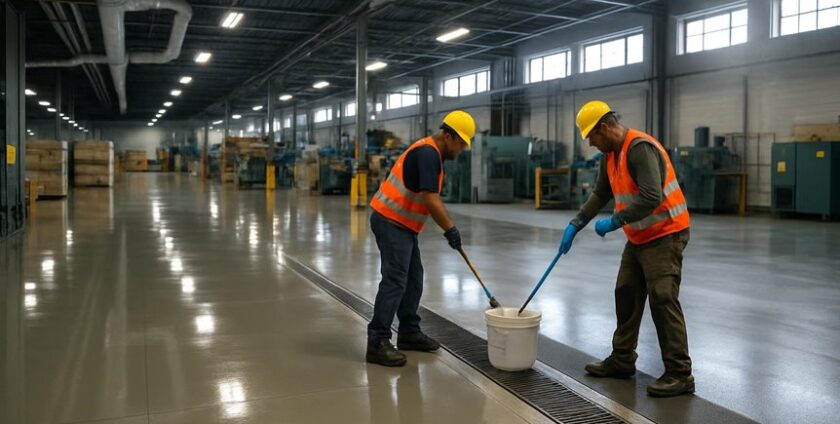
Industrial floor coatings play a critical role in enhancing the durability and functionality of commercial spaces in Brooklyn, NY. With various options like epoxy and polyurethane, facility managers must carefully consider their specific needs. Proper installation and maintenance are essential for maximizing the life of these coatings. As businesses look to invest in their flooring solutions, understanding the nuances of each type can lead to informed decisions that impact both performance and aesthetics.
Understanding Industrial Floor Coatings
Industrial floor coatings play an essential role in enhancing the functionality and longevity of various commercial and industrial spaces. These coatings provide a protective layer that withstands heavy traffic, chemicals, and abrasions.
Understanding the application techniques is vital, as proper preparation of the substrate and adherence to guidelines can greatly impact durability. Surface treatments, such as grinding or shot blasting, guarantee ideal bonding between the coating and the floor. Additionally, utilizing industrial-grade solutions ensures superior chemical resistance and durability for demanding environments.
Types of Industrial Floor Coatings
Industrial floor coatings come in various types, each designed to meet specific performance requirements.
Among the most popular options are epoxy floor coatings, known for their durability and chemical resistance, and polyurethane floor coatings, which offer flexibility and UV stability.
Understanding the differences between these coatings is essential for selecting the appropriate solution for industrial environments. Additionally, epoxy floor coatings utilize epoxy resins that provide excellent thermal and chemical resistance, making them ideal for heavy-duty applications.
Epoxy Floor Coatings
Although various types of floor coatings are available for industrial applications, epoxy floor coatings stand out due to their durability and versatility.
These coatings are ideal for high-traffic areas and provide a seamless finish that enhances safety and aesthetics.
Key benefits of epoxy floor coatings include:
- Exceptional resistance to chemicals and spills, reducing replacement costs.
- Easy cleaning and maintenance, ensuring longevity and compliance with safety standards.
- Customization options for colors and textures, allowing for a tailored appearance.
Understanding epoxy applications and implementing proper epoxy maintenance can greatly extend the life of these robust flooring solutions, making them a preferred choice in industrial settings. Additionally, the multi-layer resinous flooring offered in epoxy systems ensures a strong and resilient surface suitable for various applications.
Polyurethane Floor Coatings
When considering flooring solutions for industrial environments, polyurethane floor coatings emerge as a robust alternative to epoxy options.
These coatings offer several polyurethane advantages, including enhanced flexibility, superior abrasion resistance, and excellent chemical durability. Their ability to withstand temperature fluctuations makes them suitable for diverse polyurethane applications, such as in manufacturing facilities, warehouses, and food processing plants.
In addition, polyurethane coatings cure quickly, allowing for reduced downtime during installation. Their aesthetic appeal and variety of finishes further contribute to their popularity. Furthermore, utilizing high-performance flooring solutions can enhance durability, attractiveness, and hygiene in industrial settings.
Epoxy Coatings: Pros and Cons
Epoxy coatings represent a popular choice for industrial flooring due to their durability and resistance to various chemicals.
While they offer numerous advantages, it is essential to evaluate both pros and cons for informed decision-making.
- Durability: Epoxy withstands heavy loads and impacts, making it ideal for high-traffic areas.
- Chemical Resistance: It protects against spills and harsh substances, extending the lifespan of surfaces.
- Aesthetic Appeal: Available in various colors and finishes, epoxy enhances the visual appeal of industrial spaces.
However, epoxy maintenance can be demanding, and improper application may lead to issues, necessitating careful evaluation of epoxy applications. Additionally, considering options like polished concrete can provide a low-maintenance flooring solution that also enhances durability.
Polyurethane Coatings: Benefits for Your Facility
Polyurethane coatings offer significant advantages for industrial facilities, particularly regarding durability and longevity.
These coatings provide exceptional resistance to chemicals, making them ideal for environments where exposure to harsh substances is common.
Their robust performance contributes to reduced maintenance costs and extended lifespan of the flooring. Additionally, understanding safety and health impacts associated with workplace environments can further enhance the effectiveness of these coatings in promoting a safer facility.
Durability and Longevity
Durability stands as an essential factor in selecting floor coatings for industrial facilities, and polyurethane coatings excel in this regard.
These coatings enhance floor performance and contribute to longevity factors, making them a superior choice for demanding environments.
The benefits include:
- High resilience: Withstand heavy machinery and foot traffic without degradation.
- Extended lifespan: Maintain quality over years, reducing the need for frequent replacements.
- Cost-effectiveness: Minimize maintenance expenses and downtime, ultimately saving resources.
Investing in polyurethane coatings guarantees a reliable and durable flooring solution, allowing facilities to operate efficiently while minimizing disruption and maximizing productivity. Additionally, choosing a provider with over 50 years of combined industry experience ensures that you receive expert advice and quality installation for your flooring needs.
Chemical Resistance Properties
How do chemical resistance properties enhance the performance of industrial flooring?
Polyurethane coatings are designed to withstand harsh substances, proving essential for facilities exposed to various chemicals. Through rigorous chemical resistance testing, these coatings demonstrate their ability to resist degradation, guaranteeing longevity and safety.
Adhering to chemical exposure guidelines, polyurethane coatings protect the underlying concrete, preventing damage from spills and leaks. This resilience not only enhances the aesthetic appeal of industrial spaces but also reduces maintenance costs. Additionally, the incorporation of recycled materials in these coatings can contribute to sustainability efforts by minimizing environmental impact.
Concrete Stains and Dyes: Aesthetic Options
What options are available for enhancing the aesthetic appeal of concrete surfaces? Concrete stains and dyes provide a range of color options and application techniques that can transform dull concrete into vibrant, eye-catching flooring.
- Acid Stains: Create rich, variegated color effects with a translucent finish.
- Water-Based Dyes: Offer a broad spectrum of colors and quick drying times.
- Concrete Sealers: Enhance and protect stained surfaces, adding gloss and depth.
These options not only improve visual appeal but also contribute to the overall functionality, making concrete surfaces more inviting and aesthetically pleasing. Additionally, using ceramic tiles can offer a durable and stylish alternative to traditional concrete finishes.
Selecting the Right Floor Coating for Your Business
Selecting the appropriate floor coating for a business involves understanding the various types available and evaluating specific factors that impact performance.
Different coatings offer distinct benefits, such as durability, slip resistance, and ease of maintenance.
Businesses must also consider their operational requirements, including traffic levels and exposure to chemicals, to make an informed decision. Additionally, the choice of coating should take into account the subfloor type, as it can significantly affect the overall installation and performance of the flooring system.
Types of Floor Coatings
An assortment of floor coatings are available to meet the diverse needs of businesses in Brooklyn, NY. Understanding the options is essential for long-term satisfaction and performance.
- Epoxy Coatings: Durable and resistant to chemicals, ideal for heavy traffic.
- Polyurethane Coatings: Offers a glossy finish with excellent UV resistance, great for aesthetic appeal.
- Concrete Stains: Utilizes sustainable materials, providing a unique look while enhancing surface integrity.
Each type requires specific application techniques to guarantee the best results, underscoring the importance of professional installation for lasting benefits.
Selecting the right floor coating can greatly impact functionality and aesthetics.
Factors to Consider
When considering the right floor coating for a business, it is vital to evaluate several key factors that can influence both functionality and longevity.
First, the specific application techniques must align with the chosen coating to guarantee proper adhesion and durability.
Additionally, understanding the surface conditions is essential; whether the substrate is concrete, wood, or metal will notably impact the coating’s performance.
Environmental factors, such as exposure to chemicals or moisture, should also be assessed. Moreover, selecting a coating that offers chemical resistance can significantly enhance the longevity of the flooring in environments exposed to automotive fluids.
The Importance of Surface Preparation
Surface preparation serves as a critical foundation for the success of industrial floor coatings, as it directly influences the adhesion, durability, and total performance of the final application.
Effective surface preparation techniques, including thorough substrate assessment, guarantee that the floor coating will bond correctly and withstand operational demands. Neglecting this step can lead to costly failures.
- Enhanced safety through superior traction.
- Increased longevity of the flooring system.
- Reduced maintenance costs over time.
Attention to surface preparation not only protects investments but also supports a seamless shift from application to usage, making it an essential step in the coating process. Furthermore, implementing proper construction safety measures can significantly minimize risks associated with flooring applications.
Application Process for Industrial Floor Coatings
With proper surface preparation completed, the focus shifts to the application process for industrial floor coatings.
Key application techniques include rolling, brushing, or spraying, each selected based on the coating type and desired finish. It is crucial to apply the coating evenly to guarantee peak adhesion and durability.
Attention must be paid to environmental conditions, as temperature and humidity can affect curing times. Coating curing is critical; it transforms the liquid material into a solid, protective layer. Maintenance and cleaning recommendations are also vital to ensure the longevity of the coating.
Following the manufacturer’s guidelines for curing duration is essential to achieving the desired strength and longevity of the floor coating.
Maintenance Tips for Longevity
How can proper maintenance extend the lifespan of industrial floor coatings? Implementing effective preventive maintenance and conducting routine inspections are essential strategies. These practices not only enhance durability but also reduce the likelihood of costly repairs.
- Regular Cleaning: Prevent dirt accumulation that can erode the coating surface.
- Timely Repairs: Address scratches or cracks immediately to prevent further damage.
- Scheduled Inspections: Conduct detailed assessments periodically to identify wear and tear early. Additionally, maintaining a safe environment through regular site inspections can significantly contribute to the longevity of floor coatings by minimizing risks associated with accidents and damage.
Cost Considerations for Floor Coatings
While the initial expense of installing industrial floor coatings may seem intimidating, understanding the long-term cost implications is essential for business owners.
A comprehensive cost breakdown should include materials, labor, and potential downtime during installation. It is important to account for these expenses within budget planning to guarantee financial feasibility.
Additionally, considering the durability and maintenance savings offered by high-quality coatings can lead to lower total costs over time. By investing wisely in floor coatings, businesses can enhance safety and efficiency while minimizing future repair expenses, making informed financial decisions critical for long-term success. Furthermore, utilizing recycled C&D materials in flooring solutions can further reduce costs and support sustainable practices within the industry.
Environmental Impact and Safety Standards
As businesses increasingly prioritize sustainability, the environmental impact of industrial floor coatings has become a significant consideration.
Adhering to safety regulations and adopting sustainability practices not only benefits the environment but also promotes healthier workplaces.
Key factors include:
- Reduced Volatile Organic Compounds (VOCs): Lower emissions contribute to improved air quality.
- Recyclable Materials: Utilizing sustainable resources minimizes landfill waste.
- Energy Efficiency: Eco-friendly coatings can enhance energy performance.
Additionally, understanding moisture management is crucial for ensuring the longevity and effectiveness of industrial floor coatings in various environments.
Choosing a Professional Installer in Brooklyn
Selecting a professional installer for industrial floor coatings in Brooklyn is a vital step in ensuring the successful application and long-term performance of these materials.
Potential clients should evaluate installer qualifications, including experience, certifications, and customer reviews. A skilled installer will provide a realistic installation timeline, ensuring that the project progresses smoothly without unnecessary delays.
It is essential to discuss specific needs and expectations upfront, as this fosters clear communication and sets the stage for successful outcomes. Additionally, consider installers who specialize in tile and marble installation, as their expertise can enhance the durability and aesthetic appeal of your floors.
Frequently Asked Questions
How Long Do Industrial Floor Coatings Typically Last?
Industrial floor coatings typically last between 5 to 20 years, depending on durability factors such as material quality and environmental conditions. Regular maintenance tips, like cleaning and inspections, can greatly enhance longevity and performance.
Can I Apply Floor Coatings Myself?
Yes, individuals can undertake DIY application of floor coatings, provided they properly follow coating preparation guidelines. Success depends on selecting appropriate materials, ensuring surface cleanliness, and adhering to recommended application techniques for ideal results.
Do Floor Coatings Emit Harmful Fumes During Application?
Floor coatings can emit harmful fumes during application, posing risks of fume exposure. To guarantee safety, individuals should follow recommended safety precautions, including proper ventilation, wearing protective gear, and adhering to manufacturer guidelines for application.
What Are the Warranty Options for Floor Coatings?
Warranty options for floor coatings typically include various warranty types, such as material and labor guarantees. Warranty duration can range from one to several years, depending on the manufacturer and specific product used.
How Do Weather Conditions Affect the Application Process?
Weather conditions greatly impact the application process of floor coatings. Temperature fluctuations can affect curing times, while high humidity levels may lead to improper adhesion, ultimately compromising the durability and performance of the coating.
Conclusion
In summary, selecting the right industrial floor coating in Brooklyn requires careful consideration of various options, including epoxy and polyurethane solutions. Understanding the benefits and maintenance needs of each type, alongside engaging a knowledgeable installer, is essential in achieving the best results. By prioritizing quality materials and professional installation, facility managers can enhance durability, aesthetics, and safety, ultimately leading to a more sustainable and efficient industrial space. Regular upkeep will further guarantee the longevity of the flooring investment.
- By: Francis Burnet
- Tags: Brooklyn business, floor durability, industrial coatings
- Category: Industrial & Warehouse Floors
- 0 comment