
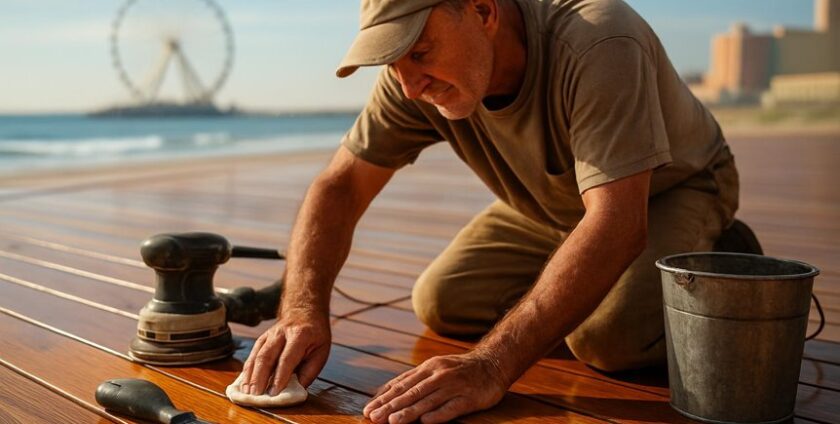
Floor resurfacing can greatly enhance the longevity and appearance of flooring in Atlantic City, NJ. Experts stress the importance of evaluating the current condition of floors before undertaking any project. Selecting the right materials and ensuring proper preparation are vital steps in the resurfacing process. Understanding the common pitfalls and maintenance requirements can make a remarkable difference. As this discussion unfolds, further insights will reveal how to achieve the best results for your flooring project.
Understanding the Benefits of Floor Resurfacing
While many homeowners may overlook the importance of floor maintenance, understanding the benefits of floor resurfacing can greatly enhance the longevity and appearance of various flooring types.
A comprehensive benefits overview reveals that resurfacing can restore floors to their original condition, eliminating unsightly scratches and stains. This process not only revitalizes aesthetics but also extends the lifespan of the flooring, ultimately leading to significant cost savings.
By delaying the need for complete replacements, homeowners can allocate their budgets more effectively, ensuring that their floors maintain both functionality and appeal for years to come. Investing in resurfacing proves advantageous in multiple aspects, particularly when considering the value of durable flooring solutions that can withstand wear and tear over time.
Assessing Your Current Floor Condition
Evaluating the current condition of the floor is essential for effective resurfacing.
This process involves identifying areas of damage, such as cracks or warping, and examining the overall surface texture to determine the appropriate treatment method.
Careful inspection guarantees that the resurfacing project addresses all necessary repairs and achieves ideal results. Additionally, understanding moisture management is crucial to prevent future issues that could affect the floor’s integrity.
Identify Damage Areas
Identifying damage areas is crucial for effective floor resurfacing in Atlantic City, NJ.
A thorough floor inspection is fundamental for accurate damage identification. Homeowners should focus on the following key areas during their assessment:
- Cracks: Inspect for visible fissures that may compromise structural integrity.
- Warping: Look for uneven surfaces indicating moisture damage or foundational issues.
- Discoloration: Identify stains that may signal water damage or excessive wear.
- Pitting: Notice any divots or holes that could affect the floor’s appearance and safety.
Addressing these areas guarantees a successful resurfacing process and enhances the longevity of the flooring. Additionally, consider applying concrete densification techniques to improve the overall durability of the surface.
Evaluate Surface Texture
After pinpointing damage areas, the next step involves appraising the surface texture of the floor. A thorough texture analysis is essential for determining the suitability of resurfacing options.
During the surface evaluation, one should observe for inconsistencies, rough patches, or wear patterns that may affect adhesion or aesthetics. Smooth areas may indicate previous refinishing, while uneven textures could signal deeper issues.
Accurately appraising these characteristics allows for informed decisions regarding the type of resurfacing material to use. Proper evaluation guarantees enhanced durability and visual appeal, ultimately contributing to the longevity of the newly resurfaced floor in Atlantic City, NJ.
Choosing the Right Resurfacing Material
Choosing the right resurfacing material is essential for ensuring both durability and aesthetic appeal in flooring projects.
Different materials offer varying levels of resistance to wear and tear, while also presenting distinct visual options to enhance the space’s overall design. Careful consideration of these factors will lead to a more successful and satisfying flooring solution. Additionally, selecting epoxy floor systems can provide superior chemical resistance and a seamless finish, ideal for high-performance applications.
Material Durability Considerations
When selecting a resurfacing material, durability stands out as a critical factor that greatly impacts the longevity and performance of the floor.
The right choice not only affects the material lifespan but also considers the environmental impact. Homeowners should evaluate the following aspects before making a decision:
- Wear Resistance: Assess how well the material withstands daily foot traffic and abrasion.
- Moisture Resistance: Consider materials that resist water damage, especially in high-humidity areas.
- Temperature Stability: Confirm the material can endure temperature fluctuations without degrading.
- Maintenance Requirements: Choose options that require minimal upkeep for sustained durability.
Additionally, consider sustainable flooring options that are produced from environmentally friendly materials, which can enhance both durability and ecological responsibility.
Aesthetic Appeal Options
While aesthetics play an essential role in selecting resurfacing materials, homeowners in Atlantic City, NJ, must balance visual appeal with functionality.
Various color options can enhance a space’s ambiance, while design patterns add unique character. Texture choices, such as smooth or matte finishes, influence both appearance and safety.
Additionally, different finish types, from glossy to satin, can dramatically affect lighting effects within a room, highlighting or softening colors. Material styles, whether hardwood, tile, or concrete, should harmonize with the overall décor.
Ultimately, selecting the right combination of these elements guarantees a beautiful and practical flooring solution for any home. Additionally, incorporating high-quality flooring solutions can significantly improve durability and hygiene in your space.
Preparing Your Space for Resurfacing
Proper preparation of the space is crucial for a successful floor resurfacing project. Effective space organization and thorough cleaning are important steps in this process.
To guarantee an efficient environment, consider the following cleaning tips:
- Remove all furniture and belongings from the area.
- Sweep and vacuum the floor to eliminate dust and debris.
- Clean any stains or spills with appropriate cleaning solutions.
- Inspect the subfloor for damage or inconsistencies. Additionally, consider consulting professionals who specialize in comprehensive flooring solutions to ensure the best outcome for your project.
Essential Tools and Equipment
Essential tools include floor scrubbers, grinders, and squeegees, which support various resurfacing techniques. Additionally, a quality trowel and mixing bucket are important for applying resurfacing materials.
Required safety equipment, such as gloves, goggles, and masks, should also be acquired to protect against dust and fumes. Ensuring that all necessary items are on hand will streamline the resurfacing process and contribute to achieving a durable, visually appealing floor.
Proper preparation in this aspect is critical for best results. Furthermore, consider enrolling in an Applicator Training Program to enhance your skills and knowledge in installation techniques.
Step-by-Step Resurfacing Process
Initiating the resurfacing process requires a systematic approach to guarantee the best outcome. Adhering to established floor preparation techniques is essential for success.
The following steps outline the important process:
- Assessment: Evaluate the existing floor condition to identify necessary repairs.
- Cleaning: Thoroughly clean the surface to remove dirt and debris.
- Repair: Address any cracks or damages before proceeding.
- Application: Apply the resurfacing material according to manufacturer instructions. Utilizing advanced self-leveling polished overlays can provide a seamless, high-performance flooring solution.
Understanding resurfacing timeline expectations is significant, as each step contributes to the overall durability and appearance of the finished floor.
Tips for DIY Floor Resurfacing
When starting a DIY floor resurfacing project, having the right tools is essential for achieving the best results. A comprehensive sequential process will guide individuals through each phase, ensuring that no important aspect is overlooked. Additionally, it’s crucial to consider the benefits of using a seamless, antimicrobial surface to enhance the durability and hygiene of your flooring.
Essential Tools Needed
A successful DIY floor resurfacing project hinges on having the right tools at hand. Proper equipment not only facilitates the process but also guarantees safety and effective results.
The following essential tools are recommended for any resurfacing endeavor:
- Floor Sander – For leveling and smoothing surfaces.
- Trowel – To apply resurfacing compounds evenly.
- Safety Gear – Including goggles and masks to adhere to safety precautions.
- Bucket and Mixer – For mixing materials while guaranteeing tool maintenance.
Equipping oneself with these tools can greatly enhance the quality and safety of the floor resurfacing project. Additionally, following a Construction Checklist can help ensure that all necessary steps and safety measures are accounted for throughout the process.
Step-by-Step Process
Undertaking a DIY floor resurfacing project requires careful planning and execution to achieve ideal results.
First, proper floor preparation is vital; this includes cleaning, sanding, and repairing any imperfections.
Next, homeowners should choose appropriate resurfacing techniques, such as applying a self-leveling compound or using a resin-based coating.
Following the manufacturer’s instructions for mixing and applying the resurfacer guarantees maximum adhesion and durability.
It is essential to work in sections and maintain an even spread for professional-looking results.
Finally, allow sufficient drying time before placing furniture back to prevent damage.
Incorporating a high-performance self-leveling compound can significantly enhance the durability and aesthetic of your new floor.
With diligence, a stunning new floor can be achieved.
Hiring a Professional vs. DIY
How does one decide between hiring a professional for floor resurfacing and opting for a DIY approach? Weighing the pros and cons is essential.
Expert insights suggest considering the following factors:
- Skill Level: Evaluate personal expertise in flooring tasks.
- Cost: Analyze budget constraints versus professional fees.
- Time: Assess available time for DIY versus scheduling a professional.
- Results: Consider desired finish quality and durability.
Additionally, professionals often employ comprehensive flooring solutions that ensure a high standard of finish and durability.
Ultimately, the decision hinges on balancing these elements to guarantee the best outcome for the flooring project, aligning personal capabilities with project expectations.
Maintaining Your Newly Resurfaced Floors
After deciding between hiring a professional or taking a DIY approach to floor resurfacing, the focus shifts to maintaining the newly resurfaced floors to guarantee longevity and aesthetic appeal.
Effective cleaning techniques are essential; using a pH-balanced cleaner prevents damage and preserves the finish. Regular sweeping and mopping help eliminate dirt and debris.
Additionally, implementing protective measures, such as placing mats at entryways and using furniture pads, minimizes scratches and wear.
Routine maintenance checks for any signs of damage will verify timely repairs, ultimately extending the life of the floors and maintaining their visual charm for years to come. Furthermore, adopting safety procedures during maintenance can help prevent accidents and injuries while ensuring a safe working environment.
Common Mistakes to Avoid
While many homeowners commence on the journey of floor resurfacing with enthusiasm, several common mistakes can undermine the project’s success.
Avoiding these common pitfalls is essential for a satisfactory outcome. Here are key preparation errors to watch for:
- Inadequate Surface Cleaning: Failing to thoroughly clean the floor can lead to poor adhesion.
- Neglecting Repairs: Overlooking cracks or imperfections may affect the final appearance.
- Improper Material Selection: Choosing the wrong resurfacing material can diminish durability.
- Ignoring Environmental Conditions: Resurfacing in unsuitable temperatures or humidity can compromise the finish.
Additionally, understanding the importance of safety climate and culture can enhance overall project success and worker safety during renovations.
Awareness of these errors can lead to a more successful project.
Cost Considerations for Resurfacing
When considering floor resurfacing, understanding the associated costs is essential for homeowners in Atlantic City, NJ. A comprehensive cost breakdown includes materials, labor, and any necessary preparatory work.
Homeowners should implement effective budgeting strategies to guarantee they allocate sufficient funds for each aspect of the project. Factors such as the size of the area, the type of flooring, and the complexity of the job can markedly influence the total cost.
Additionally, it is advisable to obtain multiple quotes from contractors to compare pricing and services, assuring a well-informed financial decision that aligns with one’s budgetary constraints. Investing in energy efficiency during the resurfacing process can lead to long-term savings on heating and cooling costs.
Enhancing Aesthetics With Finishing Touches
Budgeting for floor resurfacing is only the beginning; enhancing the aesthetics of the newly surfaced floor can greatly boost the total appeal of a home.
Key elements include:
- Color Selection: Choose hues that complement the room’s decor and create the desired atmosphere.
- Decorative Techniques: Consider options like stenciling or stamping to add unique patterns and textures.
- Finishing Products: Utilize high-quality sealers to enhance durability while enriching color depth.
- Lighting Accents: Position lighting strategically to highlight the floor’s features and create visual interest.
These finishing touches can transform a standard floor into a stunning focal point. Additionally, selecting the right flooring type can enhance safety and durability while elevating the overall aesthetic appeal of the space.
Frequently Asked Questions
How Long Does Floor Resurfacing Typically Take?
Floor resurfacing typically takes one to three days, depending on various duration factors such as the preparation process, the type of flooring, and drying times. Proper planning can help streamline this timeline greatly.
Can I Resurface Over Existing Flooring Materials?
Resurfacing over existing flooring materials is possible with appropriate resurfacing techniques. Nevertheless, careful assessment of the underlying surface is essential to guarantee compatibility and adhesion, ultimately determining the success of the new finish.
What Is the Best Time of Year for Resurfacing?
The best time for resurfacing is during the summer months, as warmer temperatures and lower humidity promote effective curing. Winter conditions can hinder the process, leading to potential issues like improper adhesion and longer drying times.
Are There Eco-Friendly Resurfacing Options Available?
Eco-friendly resurfacing options are available, utilizing sustainable materials and promoting green practices. These alternatives reduce environmental impact while enhancing aesthetics, ensuring a responsible choice for those seeking to improve their flooring sustainably and efficiently.
How Do I Know if My Floors Need Resurfacing?
Indicators of necessary floor resurfacing include visible surface imperfections, such as scratches, stains, or unevenness. Additionally, evaluating the comprehensive floor condition can reveal signs of wear, prompting the need for restoration to enhance aesthetics and functionality.
Conclusion
To sum up, floor resurfacing in Atlantic City, NJ, can greatly enhance the durability and appearance of your floors when executed with careful consideration and expertise. By evaluating the current condition, choosing high-quality materials, and preparing the space adequately, homeowners can guarantee a successful project. Regular maintenance and awareness of common pitfalls will further extend the life of the resurfaced floors, making the investment worthwhile. Engaging professionals may yield the best results for maximum longevity and aesthetics.
- By: Francis Burnet
- Tags: Atlantic City, floor resurfacing, home improvement
- Category: Surface Preparation & Grinding, Troubleshooting Common Flooring Issues
- 0 comment