
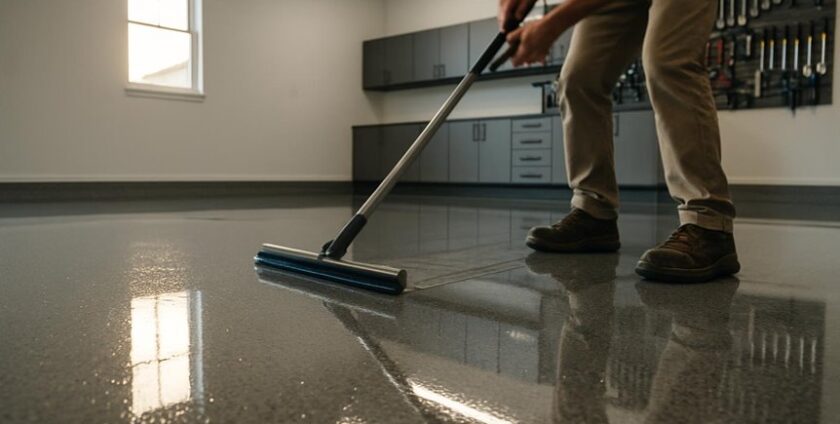
Epoxy flooring presents a durable and aesthetically pleasing option for both residential and commercial spaces in Dover, DE. Proper preparation and selection of the right product are vital for achieving ideal results. Understanding the various types of epoxy, as well as common pitfalls during installation, can greatly influence the longevity of the floor. As one explores these essential considerations, the next steps in ensuring a successful epoxy flooring project become apparent.
Understanding Epoxy Flooring Options
Epoxy flooring options are diverse, offering a range of choices to suit various needs and preferences. Consumers can choose from different epoxy finishes, each designed for specific applications, such as high-gloss or matte surfaces.
Additionally, the myriad color options available allow for customization, enabling individuals to select hues that complement their space or convey a desired aesthetic. Some finishes feature decorative elements like chips or flakes, enhancing visual appeal further. Understanding these options is essential for making informed decisions regarding durability, maintenance, and comprehensive design, ensuring the selected epoxy flooring aligns with both functional requirements and personal style. Furthermore, specialized flooring solutions, such as Anti-Slip Safety Flooring, are designed to ensure safety in wet areas while maintaining aesthetic appeal.
Benefits of Epoxy Flooring
Choosing the right epoxy flooring option not only enhances aesthetic appeal but also offers numerous practical advantages.
One of the primary benefits is its durability advantages; epoxy flooring is resistant to wear, chemicals, and stains, making it ideal for high-traffic areas. This longevity reduces the need for frequent replacements, translating to cost savings over time.
Additionally, epoxy provides an assortment of aesthetic options, allowing property owners to select colors and finishes that complement their space.
The mechanical properties of epoxy flooring contribute to its effectiveness in various environments, whether for residential or commercial use, the combination of durability and aesthetic flexibility makes epoxy flooring a smart choice for many environments.
Preparing Your Space for Installation
Proper preparation of the space is essential for a successful epoxy flooring installation. This involves clearing the area of all furniture and obstacles, evaluating the floor’s condition for any necessary repairs, and gathering the required tools for the task. Additionally, consulting with professionals who specialize in comprehensive flooring solutions can provide valuable insights and ensure the installation process runs smoothly.
Clear the Area
Preparing the space for epoxy flooring installation is an essential step that greatly impacts the final outcome. Effective area organization is vital; all furniture, tools, and items should be removed to create a clear workspace. This not only facilitates the installation process but also guarantees that the new flooring adheres properly.
Additionally, implementing space optimization techniques can further enhance the area’s functionality. Consider arranging storage solutions temporarily to keep items organized and out of the way. Furthermore, ensuring that the surface is clean and free of debris will help achieve a seamless finish with epoxy resinous flooring, which enhances durability and ease of maintenance.
Assess Floor Condition
Evaluating the floor condition is an essential step in guaranteeing a successful epoxy flooring installation. A thorough floor inspection should be conducted to identify any existing imperfections, such as cracks, moisture issues, or uneven surfaces.
These factors can greatly impact the adhesion and longevity of the epoxy. Additionally, a damage assessment is vital to determine if repairs are needed before proceeding.
Addressing these concerns will create a stable foundation for the epoxy application, enhancing its performance and durability. By taking the time to assess the floor condition, homeowners can avoid complications and guarantee a smooth installation process. Implementing professional sealing can also protect the surface against potential stains and damage during the installation process.
Gather Necessary Tools
After evaluating the floor condition, gathering the necessary tools becomes an essential step in the epoxy flooring installation process.
Homeowners should guarantee they have a concrete grinder, roller, squeegee, and safety gear on hand.
Additionally, selecting the appropriate epoxy mix requires consideration of epoxy color options and floor texture choices to achieve the desired aesthetic.
A well-prepared workspace enhances efficiency and helps prevent errors during application. Incorporating high-performance epoxy flooring can further enhance durability and resistance to automotive fluids.
Choosing the Right Epoxy Type
When selecting the appropriate type of epoxy for a flooring project, how does one navigate the myriad options available?
Understanding the various epoxy types is essential, as they cater to different flooring styles and environments.
- High-Gloss Epoxy: Ideal for a sleek, modern look.
- Matte Finish Epoxy: Offers a subtle, understated appearance.
- Metallic Epoxy: Creates a unique, shimmering effect.
- Self-Leveling Epoxy: Perfect for uneven surfaces, guaranteeing a smooth finish.
- Flexible Epoxy: Designed for areas with temperature fluctuations.
Choosing the right epoxy type guarantees durability and aesthetic appeal, enhancing both functionality and design in any space. Considerations such as proper installation techniques are also crucial for achieving the best results.
Essential Tools and Materials Needed
A successful epoxy flooring project hinges on having the right tools and materials at hand.
Essential floor coating tools include a roller, squeegee, and mixing containers to guarantee an even application. Additionally, a power mixer is vital for adequately blending epoxy resin types, which can vary in formulation.
Safety gear, such as gloves and goggles, is also necessary to protect against chemical exposure.
Other materials like a primer and optional decorative flakes can enhance the final appearance. Incorporating self-leveling polished overlays can also provide an improved surface for epoxy application.
Properly equipping oneself with these essential tools and materials lays the foundation for a durable, aesthetically pleasing epoxy floor.
Surface Preparation Techniques
Proper surface preparation is critical for achieving a successful epoxy flooring application. This process includes thoroughly cleaning the substrate, addressing any surface imperfections, and conducting moisture testing to guarantee ideal adhesion. Each of these steps plays an essential role in enhancing the durability and longevity of the finished floor. Additionally, utilizing high-quality flooring solutions can significantly improve the overall performance of your epoxy flooring.
Cleaning the Substrate
Effective cleaning of the substrate is an essential step in achieving a durable epoxy flooring finish. Proper substrate preparation involves employing various cleaning techniques to guarantee ideal adhesion and longevity of the epoxy.
Key steps include:
- Removing dust and debris with a vacuum
- Scrubbing with a pH-neutral cleaner
- Using a pressure washer for stubborn stains
- Conducting a moisture test to check for dampness
- Allowing adequate drying time before application
Additionally, it is critical to understand that proper substrate preparation significantly impacts the overall performance and appearance of the flooring.
Repairing Surface Imperfections
Before applying epoxy, addressing surface imperfections is essential for guaranteeing a smooth, long-lasting finish. This process involves two critical techniques: crack filling and surface leveling.
Crack filling is necessary to repair any visible fissures, which can compromise the epoxy bond. Specialized fillers should be used to ascertain durability and compatibility with the epoxy.
Surface leveling, conversely, addresses uneven areas, creating a flat substrate for peak adhesion. Utilizing self-leveling compounds can effectively correct dips and high spots.
Properly executed repairs enhance the general appearance and longevity of the epoxy flooring, assuring a professional finish. Additionally, implementing safety measures during the surface preparation process can help prevent injuries and ensure a smoother workflow.
Moisture Testing Importance
Moisture testing serves a crucial function in surface preparation for epoxy flooring, as excessive moisture can lead to adhesion failures and surface deterioration over time.
Implementing effective moisture barriers and utilizing accurate testing methods are fundamental steps in guaranteeing a successful installation.
- Identifies potential moisture-related issues
- Prevents costly repairs and replacements
- Guarantees ideal adhesion of epoxy coatings
- Helps in selecting appropriate moisture barriers
- Facilitates long-term durability of the flooring system
The Application Process Explained
Begin by thoroughly preparing the surface to guarantee a successful epoxy flooring application. This involves cleaning, repairing, and possibly grinding the concrete to ensure proper adhesion.
Once the surface is ready, the installer can select from various epoxy color options and epoxy texture finishes to achieve the desired aesthetic.
Mixing the epoxy components accurately is essential, as this guarantees ideal curing and durability.
The application process typically involves pouring and spreading the epoxy evenly, followed by thorough curing time. Additionally, using a TRU PC overlay system can enhance the overall performance and durability of the flooring.
Understanding each step enhances the likelihood of a flawless finish, leading to a long-lasting and visually appealing floor.
Tips for Achieving a Smooth Finish
Achieving a smooth finish with epoxy flooring is essential for both aesthetics and functionality. Employing effective smoothing techniques can greatly enhance the final appearance.
Here are some finishing tips to take into account:
- Confirm the surface is thoroughly cleaned and prepped before application.
- Use a high-quality epoxy product designed for smooth finishes.
- Apply the epoxy in thin, even layers to prevent bubbles and imperfections.
- Utilize a squeegee or roller for even distribution, following the manufacturer’s instructions.
- Allow adequate curing time before adding additional coats or foot traffic.
Additionally, consider participating in an Applicator Training Program to refine your installation skills and techniques.
These practices will help guarantee a flawless and durable epoxy floor.
Common Mistakes to Avoid
While many enthusiasts may be enthusiastic to plunge into their epoxy flooring project, overlooking common mistakes can lead to disappointing results.
One prevalent issue involves believing epoxy myths, such as the notion that any surface is suitable for application. Proper surface preparation is vital to avoid installation errors that can compromise durability. Additionally, a premium epoxy system like Sherwin Williams 3746 is essential for achieving the best results.
Additionally, mixing ratios must be adhered to; deviations can weaken the epoxy’s integrity. Timing is also important; rushing the curing process may lead to a subpar finish.
Maintenance and Care for Epoxy Floors
Proper installation sets the stage for the longevity of epoxy flooring, but ongoing maintenance and care are essential to preserving its appearance and functionality.
Regular attention guarantees that the floor remains visually appealing and durable. Key practices for effective maintenance include:
- Routine epoxy floor cleaning with a soft broom or vacuum
- Using a damp mop with a pH-neutral cleaner
- Avoiding harsh chemicals that may damage the surface
- Applying floor mats in high-traffic areas for surface protection
- Addressing spills promptly to prevent staining
Cost Considerations for Your Project
When planning an epoxy flooring project, understanding the cost breakdown is essential.
This includes not only the pricing of materials but also the labor costs associated with installation.
An accurate assessment of these factors will help guarantee a successful and budget-conscious project.
Material Pricing Breakdown
Understanding the cost implications of materials is essential for anyone considering an epoxy flooring project. The general pricing can vary considerably based on several factors influencing both material quality and epoxy colors.
- Base epoxy resin: Quality affects durability and appearance.
- Color additives: Different epoxy colors can impact costs.
- Primer application: Necessary for ideal adhesion.
- Topcoat options: Specialty coatings may increase expenses.
- Quantity needed: Larger areas require more material, consequently higher costs.
Installation Labor Costs
Evaluating installation labor costs is essential for accurately budgeting an epoxy flooring project. Typically, labor pricing can vary based on the complexity of the installation and the contractor’s expertise.
Professionals often assess installation timeframes, which can range from a few hours to several days, depending on the project’s size and condition of the existing floor. Homeowners should obtain multiple quotes to guarantee competitive pricing while considering the quality of workmanship.
Additionally, understanding potential extra costs related to surface preparation or repairs will help provide a more comprehensive financial overview, guaranteeing the project stays within budget.
Finding a Qualified Contractor in Dover
Finding a qualified contractor in Dover is essential for ensuring a successful epoxy flooring project, as the right expert can greatly impact the quality and durability of the installation.
Homeowners should consider the following factors when selecting a contractor:
- Relevant contractor qualifications and certifications
- Positive reviews and testimonials from previous clients
- Experience with epoxy flooring installations
- Clear communication regarding project timelines
- A detailed written estimate outlining costs and services
Frequently Asked Questions
How Long Does Epoxy Flooring Typically Last?
Epoxy flooring typically lasts 10 to 20 years, depending on factors such as installation quality and traffic levels. Its durability is enhanced with proper maintenance, which includes regular cleaning and occasional re-coating to preserve appearance and functionality.
Can Epoxy Flooring Be Installed Outdoors?
Epoxy flooring can be installed outdoors, but outdoor durability depends on specific formulations. Installation considerations include temperature fluctuations and UV resistance, which are essential for ensuring long-lasting performance and minimizing potential damage from environmental factors.
Is Epoxy Flooring Safe for Pets?
Epoxy flooring is generally safe for pets, offering both durability and resistance to stains and odors. Proper installation and maintenance guarantee a secure environment, making it a reliable choice for pet owners prioritizing safety and longevity.
What Colors and Finishes Are Available for Epoxy Flooring?
Epoxy flooring offers a diverse range of color selection and finish options, including solid colors, metallics, and decorative flake systems. These choices enable customization, enhancing the aesthetic appeal and functionality of various spaces.
How Can I Remove Old Epoxy Flooring?
Removing old epoxy flooring involves employing epoxy removal techniques such as grinding or chemical solvents. Effective floor preparation methods include thorough cleaning and evaluating surface condition, ensuring ideal results for new flooring installations.
Conclusion
To summarize, investing in epoxy flooring in Dover, DE, offers numerous advantages when approached with careful planning and execution. By understanding the various options, preparing the space adequately, and selecting quality materials, homeowners and business owners can guarantee a successful installation. Regular maintenance will further enhance the floor’s longevity and appearance. Seeking assistance from qualified contractors will also help avoid common pitfalls, making epoxy flooring a smart and durable choice for any environment.
- By: Francis Burnet
- Tags: Dover DE, epoxy flooring, installation tips
- Category: Epoxy Flooring
- 0 comment