
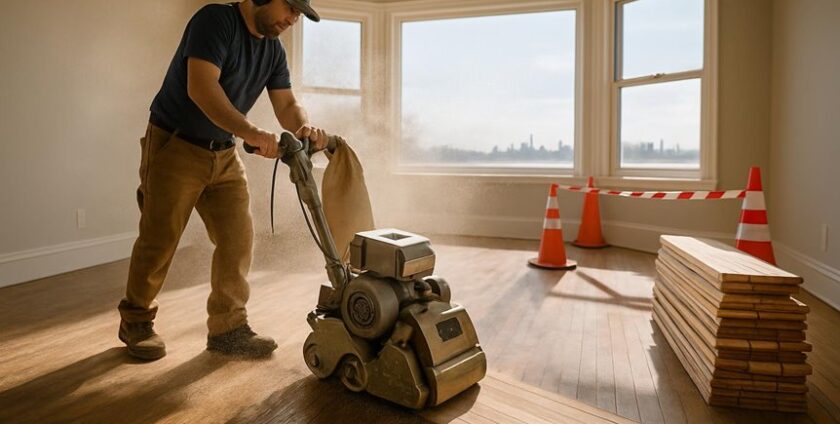
Floor resurfacing in Staten Island, NY, presents an effective solution for rejuvenating worn or damaged surfaces. This process can enhance both the durability and visual appeal of various flooring types. Understanding the benefits and methods available is essential for homeowners considering this option. Additionally, selecting the right materials and techniques can greatly impact the outcome. To guarantee a successful project, it is important to explore the optimal approaches and expert recommendations available.
Understanding Floor Resurfacing
Although many homeowners may overlook the condition of their floors, understanding floor resurfacing is essential for maintaining both aesthetic appeal and structural integrity.
Floor resurfacing involves various techniques aimed at restoring the surface of flooring materials to a like-new condition. Common floor resurfacing techniques include grinding, shot blasting, and polishing, each suited for different materials and desired finishes.
Homeowners can choose from an array of resurfacing material options, such as epoxy, polyurethane, or concrete overlays, which not only enhance appearance but also increase durability. Additionally, epoxy floor systems provide industrial-grade solutions that ensure long-lasting performance and resistance to wear and tear.
Benefits of Floor Resurfacing
Floor resurfacing offers numerous advantages that can greatly enhance both the functionality and visual appeal of a home.
This process not only revitalizes worn or damaged floors but also contributes to improved durability and ease of maintenance. Aesthetic appeal is considerably heightened, allowing homeowners to achieve a fresh, updated look without the expense of full replacement.
Additionally, resurfacing has a positive environmental impact, as it reduces waste by extending the life of existing materials. Furthermore, utilizing polished & sealed concrete services can provide a low-maintenance solution that enhances the overall longevity of the flooring.
Types of Flooring Materials Suitable for Resurfacing
Floor resurfacing can effectively enhance the appearance and longevity of various flooring materials.
Hardwood floors, with their timeless appeal, can be rejuvenated through sanding and refinishing techniques, while concrete surfaces can be upgraded using advanced resurfacing methods that improve both aesthetics and durability. Additionally, utilizing mechanical concrete polishing can significantly enhance the surface texture and overall appearance of concrete floors.
Understanding the types of materials suitable for resurfacing is essential for achieving excellent results in any flooring project.
Hardwood Floor Options
When considering hardwood floor options for resurfacing, various materials can effectively restore the beauty and functionality of a space.
Homeowners often explore the following choices:
- Engineered Hardwood: This multi-layered material offers durability and resistance to moisture, making it suitable for various environments.
- Reclaimed Wood: Sourced from old structures, reclaimed wood adds character and sustainability to flooring projects, providing unique aesthetic appeal.
- Solid Hardwood: A traditional favorite, solid hardwood can be sanded and refinished multiple times, ensuring longevity and timeless elegance.
Each option has distinct advantages, catering to diverse preferences and practical needs in floor resurfacing.
Concrete Resurfacing Techniques
Various concrete resurfacing techniques can revitalize worn or damaged surfaces, enhancing both aesthetics and functionality.
Common resurfacing materials include polymer-modified overlays, micro-toppings, and self-leveling compounds, each offering unique benefits.
Application methods vary; for instance, overlays are typically spread using a squeegee or trowel, while self-leveling compounds flow into place, filling imperfections.
Additionally, stamped overlays can simulate the look of stone or brick, providing an attractive finish. These techniques can include advanced self-leveling polished overlays, which not only improve the appearance but also enhance the durability of the surface.
Understanding these techniques guarantees that property owners choose the right resurfacing solution to meet their needs, thereby extending the lifespan of their concrete surfaces while improving overall appearance and performance.
The Resurfacing Process Explained
The resurfacing process begins with thorough preparation and cleaning of the existing floor to guarantee ideal adhesion of the new surface material. Following this, various application techniques are employed to achieve a smooth and durable finish. Understanding these steps is essential for achieving a successful flooring transformation. Additionally, utilizing multi-layer resinous flooring can enhance the durability and aesthetic appeal of the surface.
Preparation and Cleaning
Preparation and cleaning serve as essential foundational steps in the floor resurfacing process. To guarantee peak results, these tasks must be executed thoroughly.
The following steps are vital for effective surface preparation:
- Floor Cleaning: Remove dirt, dust, and debris to create a clean working environment.
- Inspection: Assess the floor for damage, identifying cracks or imperfections that require attention.
- Sanding or Grinding: Smooth the surface to promote adhesion of the resurfacing material. Incorporating a special purpose subfloor can further enhance stability during the resurfacing process.
Completing these steps meticulously will establish a solid base, enhancing the overall quality and durability of the floor resurfacing project.
Proper preparation is key to success.
Application Techniques Overview
Understanding the application techniques for floor resurfacing is essential to achieving a professional finish. Various application methods, including troweling, rolling, and spraying, are employed to guarantee an even and durable surface.
Troweling provides precision for small areas, while rolling is ideal for larger spaces, allowing for quicker coverage. Spraying, although less common, offers efficient application in specific scenarios.
Each resurfacing technique requires careful consideration of the material used and the environment in which it is applied. Mastering these methods helps prevent common issues such as bubbling or uneven texture, ultimately leading to a successful and aesthetically pleasing result. Utilizing high-quality resinous poured flooring systems can enhance durability and performance in your resurfacing projects.
Choosing the Right Resurfacing Technique
When selecting the right resurfacing technique, it is essential to evaluate various factors that influence the outcome, including the type of flooring, its current condition, and the intended use of the space.
Proper resurfacing materials selection also serves an important function.
Consider these aspects:
- Floor Type: Different materials require specific techniques for ideal results.
- Condition Assessment: Evaluate any damage or wear that may dictate the resurfacing method.
- Functionality Needs: Determine how the space will be used to choose an appropriate resurfacing approach.
Additionally, understanding proper installation techniques can significantly enhance the longevity and performance of the resurfaced flooring.
Technique comparisons can guide decisions, ensuring a durable and aesthetically pleasing finish.
Common Signs Your Floors Need Resurfacing
As floors endure daily wear and tear, recognizing the common signs that indicate a need for resurfacing becomes essential for maintaining their integrity and appearance.
Signs of floor damage, such as scratches, dents, or discoloration, often signal that resurfacing is necessary. Additionally, noticeable surface wear, including fading or uneven textures, can detract from a floor’s aesthetic improvement and general appeal.
Homeowners should also consider the maintenance needs; if routine cleaning fails to restore the floor’s original look, it may be time to resurface. Regular maintenance is crucial in prolonging the life of the flooring and enhancing the space’s visual charm.
Addressing these issues promptly can prolong the life of the flooring and enhance the space’s visual charm.
Cost Factors to Consider
Cost factors play an essential role in determining the financial implications of floor resurfacing projects. Homeowners must keep several key budget considerations in mind:
- Material Prices: The type of flooring material chosen greatly influences total costs, with options ranging from economical to high-end finishes.
- Labor Costs: Hiring professional contractors can add to expenses, depending on their experience and the complexity of the job.
- Preparation Requirements: Additional costs may arise from necessary surface repairs or preparation work before resurfacing. Additionally, considering the energy efficiency in design can lead to more sustainable and cost-effective flooring choices in the long run.
Understanding these elements helps homeowners make informed decisions while aligning with their budget considerations.
DIY vs. Professional Resurfacing
When considering floor resurfacing, individuals often weigh the benefits of a DIY approach against hiring professionals.
A cost comparison analysis reveals potential savings with DIY, yet this option demands a certain skill level and significant time investment. Evaluating these factors is essential for homeowners to make an informed decision that aligns with their resources and desired outcomes. Additionally, opting for professional services can ensure access to high-performance urethane cement and other specialized materials that enhance durability and safety.
Cost Comparison Analysis
While homeowners may be tempted to take on floor resurfacing as a DIY project, a thorough cost comparison between DIY methods and professional services reveals significant differences.
The cost breakdown often shows:
- Materials: DIYers bear the full cost of materials, which can vary widely in price.
- Time Investment: DIY projects require considerable time, potentially leading to indirect costs.
- Professional Fees: Hiring experts incurs additional labor costs but guarantees quality and efficiency.
Price variations between the two approaches can be substantial, making it crucial for homeowners to weigh their options carefully before deciding on the best route for resurfacing. Additionally, understanding the importance of compliance with regulations can help homeowners avoid potential legal issues when undertaking renovations.
Skill Level Requirements
Choosing between DIY floor resurfacing and hiring professionals also hinges on the skill level required for successful execution.
For those with limited experience, beginner techniques can provide a foundational understanding of the process, but results may not meet professional standards. DIY methods often rely on basic tools and materials, which may lead to subpar finishes.
Conversely, professionals bring advanced skills, ensuring a flawless outcome through the use of specialized equipment and techniques. For example, a polished concrete overlay, such as the TRU PC surface, offers a sophisticated look that requires professional expertise to install correctly.
Ultimately, the decision should consider one’s confidence and expertise; individuals lacking the necessary skills may find it more beneficial to invest in professional help for superior results.
Time Investment Evaluation
Time investment is a critical factor in deciding between DIY floor resurfacing and hiring professionals, as each approach demands varying levels of commitment.
Understanding time estimates and project timelines is essential for making an informed choice.
- DIY Resurfacing: Typically requires extensive preparation, often taking several weekends to complete.
- Professional Resurfacing: Generally boasts a streamlined process, with project timelines often spanning just a few days.
- Long-Term Commitment: DIY may lead to ongoing maintenance, while professionals can provide warranties, impacting future time investments.
Evaluating these aspects helps homeowners choose the best method for their specific needs and schedules.
Finding Reliable Flooring Contractors in Staten Island
When homeowners in Staten Island seek to enhance the appearance and durability of their floors, finding reliable flooring contractors becomes vital.
It is important to assess contractor qualifications, including licenses, insurance, and experience in floor resurfacing projects. Homeowners should also seek out customer testimonials to gauge the contractors’ reputation and quality of work.
Engaging in conversations with past clients can provide valuable insights into the contractor’s reliability, communication, and adherence to timelines. Additionally, consider contractors experienced in custom-designed flooring solutions to ensure a high-quality finish that meets your aesthetic needs.
Questions to Ask Your Flooring Contractor
What essential inquiries should homeowners make before hiring a flooring contractor? Understanding the contractor’s qualifications and the project timeline is vital for a successful flooring resurfacing project.
Homeowners should consider asking the following questions:
- What certifications or licenses do you hold? This guarantees the contractor meets industry standards.
- Can you provide references from previous projects? Testimonials offer insight into the contractor’s reliability and quality of work.
- What is your estimated timeline for project completion? Knowing the timeline helps homeowners manage expectations and plan accordingly.
Additionally, homeowners may want to inquire about thermal properties of materials, as this can impact the choice of flooring for energy efficiency. These inquiries can facilitate informed decisions when selecting a flooring contractor.
Maintenance Tips for Resurfaced Floors
Although resurfaced floors can greatly enhance the aesthetic appeal of a home, proper maintenance is essential to guarantee their longevity and performance.
Establishing a maintenance schedule is fundamental for effective floor care. Appropriate cleaning techniques, such as using mild detergents, help maintain surface protection. Applying protective coatings can further guard against wear.
Seasonal inspections facilitate wear assessment and allow for timely stain removal. Moisture control is crucial to prevent damage, especially in humid conditions. Implementing effective moisture management strategies can further enhance the durability of the floors.
Regular attention to these factors enhances durability and aesthetic quality, ensuring resurfaced floors remain a stunning centerpiece in any home for years to come.
Transforming Your Space With Resurfaced Floors
Transforming a space with resurfaced floors can considerably raise the total design and functionality of a home. These renewed surfaces not only provide visual appeal but also enhance the comfort and usability of each room.
Homeowners can take advantage of current flooring trends by focusing on:
- Design Aesthetics: Resurfaced floors can seamlessly blend different styles, enhancing general décor.
- Durability: Modern resurfacing techniques guarantee long-lasting wear, resisting scratches and stains.
- Eco-Friendliness: Many resurfacing options use sustainable materials, aligning with green living principles.
Additionally, incorporating safety and protective flooring options can further enhance the overall functionality and safety of the revived space.
Ultimately, resurfaced floors contribute to a home’s beauty, practicality, and environmental responsibility, making them a worthwhile investment.
Frequently Asked Questions
How Long Does Floor Resurfacing Typically Last?
Floor resurfacing typically lasts between 5 to 10 years, depending on the material and usage. Regular maintenance tips, such as cleaning and avoiding heavy impacts, can greatly extend the floor lifespan and preserve its appearance.
Can I Resurface My Floors in Winter?
Yes, floors can be resurfaced in winter conditions, but it is essential to take into account the type of floor materials used. Cold temperatures may affect drying times and adhesion, requiring special precautions for successful results.
What Preparation Is Needed Before Resurfacing?
Before resurfacing, one must guarantee thorough surface cleaning to remove dirt and debris. Additionally, careful material selection is vital, as the right products will enhance durability and compatibility with the existing floor structure for ideal results.
Are There Any Eco-Friendly Resurfacing Options Available?
Yes, there are eco-friendly resurfacing options available that utilize sustainable materials and promote green practices. These alternatives reduce environmental impact while providing durable solutions, appealing to those seeking environmentally conscious choices in flooring.
Will Resurfacing My Floors Increase My Home Value?
Resurfacing floors can greatly enhance a home’s resale potential by improving floor aesthetics. Updated, visually appealing surfaces attract buyers, often leading to higher offers and a comprehensive increase in property value during sales.
Conclusion
To sum up, floor resurfacing in Staten Island presents an effective solution for rejuvenating various flooring types while enhancing durability and aesthetics. By understanding the benefits, suitable materials, and the resurfacing process, homeowners can make informed decisions that align with their needs. Selecting the appropriate technique and partnering with reliable contractors guarantees a successful project. With proper maintenance and moisture management, resurfaced floors can transform living spaces, offering both beauty and longevity for years to come.
- By: Francis Burnet
- Tags: floor resurfacing, home improvement, Staten Island
- Category: Surface Preparation & Grinding, Troubleshooting Common Flooring Issues
- 0 comment