
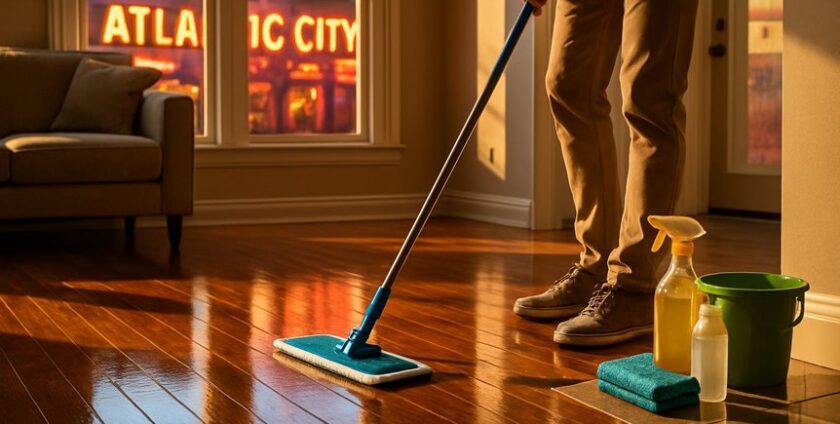
Maintaining flooring in Atlantic City, NJ, presents unique challenges due to the area’s coastal climate and varying seasonal conditions. Homeowners must adopt specific cleaning routines and maintenance strategies to guarantee the longevity and appearance of their floors. Understanding different flooring types and their needs is vital for effective care. As the discussion unfolds, essential tips for protecting and enhancing flooring will be explored, providing valuable insights for homeowners.
Understanding Your Flooring Types
When homeowners begin flooring maintenance, understanding the various types of flooring available is essential for effective care.
Hardwood characteristics, such as durability and natural beauty, make it a popular choice, requiring specific maintenance practices like regular refinishing and moisture control.
Conversely, carpet types vary greatly, from plush to berber, each necessitating distinct cleaning and care strategies.
While hardwood can enhance a home’s value, carpets offer warmth and sound absorption.
Homeowners must recognize these differences to implement appropriate maintenance routines, ensuring longevity and aesthetics for their flooring investments. Knowledge of flooring types sets the foundation for informed and effective upkeep decisions. Additionally, subflooring types play a crucial role in the overall performance and durability of the installed flooring.
Daily Cleaning Routines
Maintaining a clean floor is essential for preserving its appearance and longevity. Daily vacuuming strategies should be employed to remove dirt and debris that can scratch surfaces and degrade flooring materials.
For effective results, vacuums with strong suction and appropriate attachments for different floor types are recommended. Additionally, incorporating floor mopping techniques into daily routines further enhances cleanliness.
Utilizing a damp mop with a suitable cleaning solution helps eliminate stubborn stains while preventing buildup. Ensuring these practices are consistently followed not only maintains aesthetic appeal but also extends the life of the flooring, creating a welcoming environment in any space. Investing in high-quality flooring services can also contribute to easier maintenance and enhanced durability.
Weekly and Monthly Maintenance
Weekly and monthly maintenance are essential components of a comprehensive flooring care routine. This includes establishing a regular cleaning schedule, inspecting for any signs of damage, and performing seasonal maintenance tasks to guarantee longevity. Additionally, it’s important to follow maintenance and cleaning recommendations to ensure your flooring remains in optimal condition.
Regular Cleaning Schedule
Although many homeowners may overlook the importance of a regular cleaning schedule, establishing both weekly and monthly maintenance routines is crucial for preserving the longevity and appearance of flooring.
A consistent cleaning frequency helps prevent dirt buildup and extends the life of the flooring. Homeowners should utilize appropriate cleaning tools to guarantee effective maintenance.
Key components of a regular cleaning schedule include:
- Weekly vacuuming or sweeping to remove debris.
- Mopping with suitable cleaners to maintain shine and cleanliness.
- Monthly deep cleaning, such as steam cleaning for carpets or polishing hardwood floors.
These practices will keep flooring looking its best.
Inspect for Damage
Frequent inspections for damage are essential in any flooring maintenance routine, as they help identify issues before they escalate.
Conducting regular flooring inspections on a weekly and monthly basis allows homeowners to perform a thorough damage assessment. This process involves checking for cracks, warping, discoloration, or loose tiles that could indicate underlying problems.
By systematically examining each area, property owners can address minor issues promptly, preventing costly repairs down the line.
Ultimately, these proactive measures not only extend the lifespan of the flooring but also enhance the entire aesthetic and safety of the space, making it a vital aspect of maintenance. Additionally, maintaining safety standards is crucial to ensure a secure environment for all users.
Seasonal Maintenance Tasks
To maintain flooring effectively, it is essential to establish a routine that incorporates both weekly and monthly seasonal maintenance tasks. These tasks help mitigate the effects of seasonal weather and guarantee longevity.
- Weekly Flooring Inspections: Check for dirt or debris buildup that can scratch surfaces.
- Monthly Deep Cleaning: Employ appropriate cleaning solutions to remove stains and maintain appearance.
- Seasonal Damage Check: Inspect for any signs of wear or moisture damage, adjusting maintenance as needed. Implementing these practices will enhance flooring durability and aesthetic, providing a well-maintained environment throughout the year. Additionally, understanding moisture management is crucial to prevent potential damage to flooring materials.
Seasonal Care Tips
As the seasons change, so do the needs of flooring materials, necessitating specific care to maintain their appearance and durability.
Winter preparation involves confirming that carpets and hardwood floors are protected from snow and salt, which can cause damage. Regular vacuuming and using appropriate mats at entrances can greatly reduce wear.
Conversely, summer cleaning should focus on deep cleaning, as increased foot traffic may lead to accumulated dirt. Utilizing fans and air conditioning helps in quick drying after cleaning, preventing mold growth. Additionally, consider polished concrete services to rejuvenate and protect flooring surfaces during seasonal transitions.
Attention to these seasonal shifts confirms that flooring remains in peak condition year-round, enhancing both aesthetics and longevity.
Protecting Your Floors From Moisture
Moisture poses a significant threat to flooring integrity, making effective protection vital.
Applying sealants, maintaining a regular cleaning schedule, and installing moisture barriers are critical strategies to safeguard floors against water damage.
Implementing these measures helps guarantee longevity and preserves the aesthetic appeal of various flooring types.
Sealant Application Importance
A proper sealant application is essential for maintaining the integrity of flooring materials, as it serves as a barrier against moisture infiltration. This protective measure is critical in preventing damage and prolonging the lifespan of floors. Additionally, utilizing epoxy floor systems can further enhance the durability and performance of your flooring while providing superior resistance to moisture.
Understanding sealant types and application techniques is imperative for effective maintenance.
Key considerations include:
- Sealant Types: Choose between polyurethane, epoxy, or acrylic based on flooring material.
- Surface Preparation: Confirm the floor is clean and dry to maximize adhesion.
- Application Techniques: Use tools like rollers or brushes for even application, guaranteeing complete coverage.
Implementing these strategies can safeguard flooring investments.
Regular Cleaning Schedule
Regularly implementing a cleaning schedule is essential for protecting floors from moisture-related damage. Establishing a cleaning frequency tailored to the specific flooring type guarantees longevity and maintains aesthetic appeal.
A comprehensive maintenance checklist should include regular sweeping, mopping with appropriate solutions, and prompt attention to spills. By adhering to this schedule, homeowners can mitigate the risks of mold and mildew, which thrive in damp environments. Additionally, regular inspections should be incorporated to identify areas needing special attention. Consistent upkeep not only safeguards investments but also enhances the entire living environment, contributing to healthier indoor air quality.
Moisture Barrier Installation
While many homeowners focus on surface cleaning, the installation of a moisture barrier is a critical step in protecting floors from potential damage.
Proper moisture detection and mitigation are essential for maintaining the longevity of flooring. To effectively implement a moisture barrier, consider the following steps:
- Select Barrier Materials: Choose appropriate materials such as polyethylene sheets or specialized membranes.
- Prepare the Subfloor: Confirm the subfloor is clean, dry, and level before installation.
- Seal Edges and Joints: Use adhesive or tape to seal all edges and joints to prevent moisture infiltration.
These steps guarantee a robust defense against moisture-related issues.
Dealing With Coastal Humidity
Coastal humidity presents unique challenges for flooring maintenance, often leading to issues such as mold growth and warping. Effective mold prevention is essential in these climates; regular inspections and prompt cleaning can mitigate risks.
Utilizing dehumidifiers and ensuring proper ventilation helps maintain humidity control, which protects flooring materials from moisture-related damage. Additionally, choosing water-resistant flooring options can further enhance durability.
Homeowners should also consider applying mold-resistant treatments to their floors, creating an additional barrier against humidity. By implementing these strategies, residents can remarkably extend the lifespan of their flooring while maintaining a healthy indoor environment. Furthermore, understanding the importance of safety climate can help prioritize health and safety measures during flooring maintenance projects.
Sunlight and Flooring Damage
Although natural light can enhance the aesthetic appeal of a space, prolonged exposure to sunlight can considerably damage flooring materials.
Sunlight exposure may lead to flooring discoloration, affecting both appearance and longevity. Homeowners should be aware of the following potential impacts:
- Fading: Colors may lose vibrancy over time, particularly in hardwood and laminate flooring.
- Warping: Excessive heat can cause certain materials to expand, leading to warping and structural damage.
- Cracking: Prolonged UV exposure can cause some flooring types, like vinyl, to crack or become brittle.
Taking preventive measures can help maintain flooring integrity in sunlit areas.
Choosing the Right Cleaning Products
Choosing the right cleaning products is essential for maintaining the integrity and appearance of various flooring types. Homeowners in Atlantic City, NJ, should consider eco-friendly products that effectively clean without damaging surfaces or harming the environment.
These products often maintain a proper pH balance, which is vital for preventing deterioration and ensuring longevity. Additionally, it is important to select cleaners specifically designed for each flooring type, whether hardwood, tile, or carpet.
Knowledge of ingredients and their effects on flooring surfaces can help prevent issues such as discoloration or wear, ultimately preserving the beauty and functionality of the home’s flooring. Furthermore, using waterproofing techniques can enhance the durability of flooring installations in areas prone to moisture.
Repairing Scratches and Dents
Proper cleaning products can help maintain flooring, but even with regular maintenance, scratches and dents can occur.
Addressing these issues promptly is essential for preserving the floor’s appearance. Homeowners can employ several methods for effective scratch repair and dent removal:
- Use a Wood Filler: For deeper scratches, apply a suitable wood filler and sand it smooth once dry.
- Heat Treatment: For minor dents in wood, use a damp cloth and an iron to vaporize moisture, allowing the wood to swell back.
- Repair Kits: Consider purchasing specialized scratch repair kits that match the flooring’s color for seamless fixes.
Professional Flooring Services
Professional flooring services encompass a range of specialized tasks, including installation, refinishing, and maintenance for various types of flooring materials.
Engaging experts in this field offers numerous benefits, such as ensuring high-quality workmanship, saving time, and prolonging the lifespan of flooring. Understanding the available services and their advantages is essential for homeowners seeking to maintain or enhance their flooring investment. Additionally, professional flooring services can include specialized techniques for tile and marble installation, ensuring a flawless finish that stands the test of time.
Types of Flooring Services
An assortment of flooring services are available to meet the diverse needs of homeowners and businesses alike.
These services guarantee that different types of flooring are maintained and enhanced effectively.
Key offerings include:
- Hardwood Refinishing – Restores the beauty of hardwood floors.
- Tile Installation – Provides durable and stylish flooring options.
- Carpet Cleaning – Maintains cleanliness and extends the life of carpets.
Other services include laminate repair, vinyl replacement, cork flooring, epoxy coating, floor buffing, and the care of area rugs. Additionally, polished and sealed concrete services enhance durability and aesthetic appeal, ensuring that your concrete floors remain both functional and visually appealing.
Each service is designed to cater to the specific requirements of various flooring types, guaranteeing longevity and aesthetic appeal.
Benefits of Professional Help
While some homeowners may consider tackling flooring maintenance on their own, enlisting professional flooring services offers numerous advantages that can enhance both the appearance and longevity of various flooring types.
Professionals provide expert advice tailored to specific materials, ensuring proper care that prevents costly damage. Their experience can lead to significant cost savings over time, as they utilize the best techniques and products to maintain flooring effectively. Additionally, professionals can identify issues early, mitigating potential repairs. By investing in professional assistance, homeowners can achieve excellent results while preserving the integrity of their flooring, ultimately enhancing their home’s value and aesthetic appeal. Furthermore, professionals are knowledgeable about high-performance flooring systems that can improve the durability and hygiene of your flooring choices.
DIY Flooring Restoration
Transforming worn or damaged flooring into a fresh, inviting surface is achievable through DIY flooring restoration. Homeowners can effectively revitalize their floors using various flooring techniques and essential restoration tools.
To successfully undertake this project, consider the following steps:
- Assess Damage: Identify areas needing repair and determine the appropriate restoration techniques.
- Gather Tools: Equip yourself with tools such as sanders, sealants, and brushes.
- Apply Techniques: Utilize methods like sanding, staining, or refinishing to enhance the floor’s appearance. Additionally, consider using a polished concrete overlay to create a modern and durable finish that is perfect for high-traffic areas.
Long-Term Flooring Care Strategies
After successfully restoring flooring, maintaining its condition over the long term becomes vital for preserving its beauty and functionality.
Implementing flooring longevity tips, such as regular cleaning and using protective mats in high-traffic areas, greatly extends the lifespan of any flooring type.
Additionally, choosing sustainable flooring options can contribute to durability while promoting environmental responsibility. Selecting materials like bamboo or cork not only enhances aesthetic appeal but also guarantees resilience against wear. Incorporating decorative tile mosaics in your flooring choices can further enhance both style and durability.
Regular inspections for damage and prompt repairs are essential in preventing further issues, making sure that the flooring remains a valuable asset for years to come.
Frequently Asked Questions
How Often Should I Deep Clean My Floors?
Deep cleaning frequency should ideally occur every six months as part of a comprehensive maintenance schedule. This guarantees the longevity of flooring materials and promotes a healthier living environment by effectively removing dirt and allergens.
What Flooring Types Are Best for Coastal Climates?
In coastal climates, tile benefits include moisture resistance and durability, while hardwood options, particularly those treated for humidity, offer warmth. Both choices provide aesthetic appeal and practicality, catering to diverse preferences and environmental challenges.
Can Pets Damage My Flooring Significantly?
Pets can considerably damage flooring, particularly if it lacks durability. Choosing pet-friendly flooring options, such as laminate or luxury vinyl, can enhance resilience against scratches and stains, ensuring a longer-lasting, visually appealing surface for pet owners.
How Do I Remove Tough Stains From My Floors?
To remove tough stains, one should first identify the stain type, then utilize appropriate stain removal techniques, such as specialized floor cleaning solutions or natural remedies, ensuring thorough application for effective results without damaging the flooring.
What Should I Do if I Notice Mold on My Flooring?
Upon noticing mold on flooring, immediate action is essential. Conduct a thorough flooring inspection and address moisture sources. Implement mold prevention strategies, such as proper ventilation and regular cleaning, to prevent future growth and maintain a healthy environment.
Conclusion
To sum up, effective flooring maintenance in Atlantic City, NJ, hinges on a comprehensive understanding of the specific flooring types and the unique challenges posed by the coastal environment. By adhering to established cleaning routines, implementing seasonal care strategies, and utilizing professional services when necessary, homeowners can preserve the integrity and appearance of their floors. Proactive measures against moisture and regular maintenance not only enhance durability but also contribute to the general value of the property.
- By: Francis Burnet
- Tags: Atlantic City, coastal challenges, flooring maintenance
- Category: Concrete Floor Maintenance Tips, Uncategorized
- 0 comment