Waterproofing systems are essential for homeowners in Doylestown, PA, where water intrusion can lead to significant damage. Understanding the various methods available is critical for maintaining property value and structural integrity. Common issues like foundation cracks and roof leaks can escalate if not addressed promptly. This guide will explore effective waterproofing solutions, helping homeowners make informed decisions to protect their investments. What options are available, and how can one choose the right contractor?
Understanding Waterproofing Systems
While many homeowners may overlook the importance of waterproofing, understanding waterproofing systems is essential for maintaining the integrity of structures in Doylestown, PA.
Waterproofing involves the use of various waterproofing materials and techniques designed to prevent water intrusion. Common materials include membranes, sealants, and coatings, each serving specific purposes based on building requirements.
Techniques such as exterior drainage systems, interior moisture barriers, and landscape grading play crucial roles in controlling water flow.
Importance of Waterproofing for Doylestown Homes
Waterproofing serves as an essential safeguard for homes in Doylestown, PA, where the local climate can lead to significant moisture challenges.
Understanding the waterproofing benefits is vital for homeowners seeking effective home protection.
- Prevents structural damage from moisture infiltration
- Reduces the risk of mold and mildew growth
- Enhances property value and marketability
- Improves indoor air quality and comfort
Additionally, effective water management is crucial in preventing moisture issues that can compromise the integrity of residential buildings.
Common Causes of Water Damage
Although many homeowners may underestimate the risk, water damage can stem from several common sources that threaten the integrity of properties in Doylestown, PA.
Foundation cracks allow water infiltration, while roof leaks can compromise structural components. Plumbing failures often lead to unexpected flooding, exacerbating issues like mold growth.
Additionally, drainage issues can create standing water, increasing the risk of damage. Weather extremes, such as heavy rains or snowmelt, can overwhelm systems designed to manage water.
Landscaping problems, including poor grading, can direct water toward the foundation, and condensation buildup may occur in poorly ventilated areas, contributing to further complications.
Interior Waterproofing Solutions
Interior waterproofing solutions are essential for protecting homes from moisture intrusion.
Effective techniques include basement waterproofing methods, sump pump installation, and the implementation of moisture barrier solutions.
Each of these strategies plays a critical role in maintaining a dry and healthy living environment.
Basement Waterproofing Techniques
When homeowners in Doylestown, PA, seek to protect their basements from water intrusion, they often turn to various interior waterproofing techniques.
Effective solutions include:
- Interior Drainage Systems: Directs water away from walls.
- Sealants: Prevents moisture penetration through walls and floors.
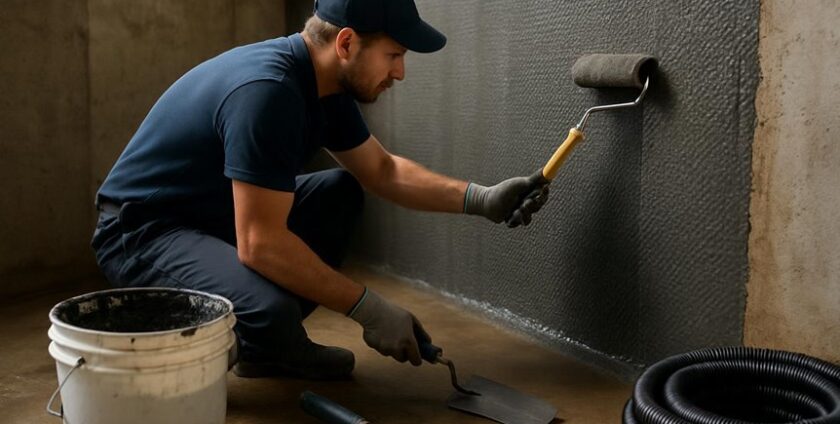
- Wall Coatings: Provides a waterproof barrier to block water ingress.
- Soil Grading Adjustments: Guarantees proper drainage away from the foundation.
Implementing these drainage solutions can considerably reduce the risk of water damage, creating a drier and safer basement environment for homeowners concerned about moisture and potential structural issues.
Sump Pump Installation
Sump pump installation serves as an essential component in interior waterproofing solutions, particularly for homeowners in Doylestown, PA, who face persistent moisture issues.
Various sump pump types, including submersible and pedestal models, cater to different needs and basement configurations. Proper installation guarantees effective water removal and minimizes flooding risks.
Regular sump pump maintenance is vital to guarantee peak performance; this includes checking the pump’s operation, cleaning the sump pit, and testing the backup system if applicable.
Moisture Barrier Solutions
Moisture barrier solutions play an essential role in protecting homes from water intrusion and dampness, especially in areas like Doylestown, PA, where humidity and rainfall can lead to significant moisture problems.
Effective moisture control is vital, and selecting the right barrier materials can make a substantial difference. Homeowners should consider:
- Vapor barriers to prevent moisture from penetrating walls and floors.
- Waterproof paints that seal porous surfaces.
- Drainage mats designed to direct water away from foundation walls.
- Dehumidifiers to manage indoor humidity levels.
Implementing these solutions helps guarantee a dry, comfortable living environment, safeguarding the integrity of residential properties.
Exterior Waterproofing Methods
Although many homeowners may overlook the importance of exterior waterproofing, it serves an essential function in protecting a property’s foundation and general integrity.
Effective methods include french drain installation, which diverts water away from the foundation, and various exterior sealant options that create a barrier against moisture intrusion.
These sealants can be applied to walls and foundations, enhancing protection against water damage.
By considering these exterior waterproofing methods, homeowners can greatly reduce the risk of structural issues caused by water infiltration, ensuring their property remains safe and sound for years to come.
Proper implementation is critical for long-lasting effectiveness.
Sump Pumps: How They Work and Their Benefits
Sump pumps are essential components in basement waterproofing systems, designed to remove excess water that accumulates in a sump basin.
By effectively directing water away from the foundation, these pumps help prevent flooding and water damage.
The advantages of sump pumps include reducing moisture levels, protecting structural integrity, and enhancing indoor air quality.
Sump Pump Functionality
A reliable sump pump serves as a critical defense against water damage in basements and crawl spaces. Understanding the functionality of sump pumps is crucial for homeowners.
Key elements include:
- Sump Pump Types: There are primary and backup systems, each serving distinct needs.
- Activation: Pumps engage automatically when water levels rise, guaranteeing timely response.
- Discharge System: Water is redirected away from the foundation, preventing flooding.
- Sump Pump Maintenance: Regular checks and cleaning are essential to guarantee peak performance and longevity.
Advantages of Sump Pumps
The benefits of installing a sump pump extend beyond mere water removal; they play an essential role in maintaining a dry and secure living environment.
Various sump pump types, including pedestal and submersible models, cater to different needs, ensuring effective water management.
By actively preventing flooding and moisture accumulation, sump pumps help protect the integrity of a home’s foundation and reduce the risk of mold growth.
Proper sump pump maintenance, such as regular inspections and timely repairs, further enhances their efficiency, ultimately providing homeowners with peace of mind and safeguarding their property against water damage. Additionally, understanding common hazards associated with water damage can help homeowners take proactive measures to prevent issues before they arise.
French Drains: Effective Drainage Systems
French drains offer an efficient solution for managing excess water in residential and commercial properties.
These systems effectively redirect water away from foundations, enhancing drainage solutions and improving soil management.
Key benefits include:
- Preventing Flooding: Reduces the risk of water accumulation.
- Extending Property Life: Protects basements and foundations from moisture damage.
- Improving Landscape Health: Aids in maintaining ideal soil conditions.
- Cost-Effective Installation: Provides a long-term solution with manageable upfront costs.
Sealants and Coatings for Waterproofing
Sealants and coatings play an essential role in waterproofing systems, offering various types designed for specific applications.
Understanding the application techniques is vital for achieving ideal results, while the benefits of these materials include enhanced durability and protection against moisture intrusion.
This discussion will explore these key aspects to inform homeowners in Doylestown, PA about effective waterproofing solutions.
Types of Sealants
Waterproofing solutions often rely on various types of sealants to guarantee a durable and effective barrier against moisture intrusion.
The choice of sealant greatly impacts sealant durability and maintenance. Key types include:
- Acrylic Sealants – Versatile and easy to apply, suitable for various surfaces.
- Epoxy Sealants – Known for their strong adhesion and chemical resistance.
- Silicone Sealants – Highly flexible and waterproof, ideal for joints and seams.
- Polyurethane Sealants – Provide excellent durability and are often used with breathable membranes.
Understanding these options aids in selecting the right weatherproof coatings for effective sealant application.
Application Techniques
The effectiveness of waterproofing systems largely depends not only on the selection of appropriate sealants but also on the application techniques employed.
Two primary methods are commonly used: spray application and brush application. Spray application allows for a uniform coating over large areas, making it efficient for extensive surfaces. Conversely, brush application provides greater precision, ensuring thorough coverage in intricate spaces or corners.
Proper surface preparation and environmental conditions are critical to both techniques, as they directly influence adhesion and overall performance.
Understanding these application methods helps in achieving ideal waterproofing results, safeguarding structures from moisture infiltration effectively.
Benefits of Coatings
Coatings serve as a critical line of defense in safeguarding structures against water damage and moisture intrusion. Various coating types, including liquid-applied, sheet membranes, and elastomeric options, provide significant application benefits that enhance durability and effectiveness.
- Moisture Barrier: Prevents water seepage and structural degradation.
- Flexibility: Adapts to structural movement, reducing cracking.
- UV Protection: Shields surfaces from harmful ultraviolet rays.
- Cost-Effective: Reduces long-term maintenance and repair costs.
Choosing the Right Waterproofing Contractor
When selecting a waterproofing contractor, it is essential to contemplate various factors that can greatly impact the effectiveness of the project.
Evaluating contractor qualifications is vital; prospective clients should review credentials, experience, and customer testimonials.
Additionally, understanding project timelines helps set realistic expectations for completion.
Effective communication with the contractor regarding specific needs and concerns guarantees that all aspects of the waterproofing process are addressed.
It is advisable to obtain multiple quotes and compare services offered, as this can aid in making an informed decision.
Ultimately, a well-chosen contractor can appreciably enhance the success of waterproofing efforts.
Cost Factors in Waterproofing Projects
Selecting a qualified waterproofing contractor is only the first step in a successful waterproofing project; understanding the associated costs is equally important. A comprehensive cost breakdown can help homeowners plan effectively.
Key factors influencing costs include:
- Material Quality: Higher-quality materials may increase initial costs but can enhance durability.
- Extent of Damage: More extensive issues require additional repairs, raising total expenses.
- Labor Costs: Rates can vary based on contractor experience and project timeline.
- Site Accessibility: Difficult-to-access areas may incur extra charges due to increased labor requirements.
Awareness of these factors aids in budgeting and decision-making.
Maintenance Tips for Your Waterproofing System
Regular maintenance of a waterproofing system is essential for ensuring its longevity and effectiveness. Homeowners should schedule seasonal inspections to identify potential issues early, such as cracks or water intrusion points.
During these inspections, it is vital to check drainage systems, gutters, and downspouts for blockages. Routine maintenance, including cleaning and sealing, helps preserve the integrity of the waterproofing materials.
Additionally, monitoring indoor humidity levels can prevent mold growth and deterioration. By adhering to these maintenance tips, homeowners in Doylestown, PA, can safeguard their waterproofing investments and maintain a dry, healthy living environment.
Signs You Need to Waterproof Your Home
How can a homeowner discern the need for a waterproofing solution? Recognizing water damage indicators is vital to maintaining a safe home. The following signs suggest a need for immediate action:
- Visible Mold or Mildew: Growth in damp areas indicates moisture problems.
- Water Stains: Discoloration on walls or ceilings signals potential leaks.
- Musty Odors: Unpleasant smells often point to hidden moisture.
- Cracked Foundations: Structural fissures can allow water infiltration.
Despite common waterproofing myths, proactive measures are important to prevent costly damage and guarantee long-term home integrity.
Addressing these signs promptly can safeguard a homeowner’s investment.
Frequently Asked Questions
How Long Does a Waterproofing System Typically Last?
A waterproofing system typically lasts 10 to 20 years, depending on factors like material quality and environmental conditions. Regular system maintenance is essential for maximizing waterproofing lifespan and ensuring peak performance throughout its duration.
Can I Waterproof My Basement Myself?
Yes, individuals can attempt DIY waterproofing for basement sealing. Nevertheless, proper techniques and materials are essential for effectiveness. Many choose to consult professionals to guarantee long-lasting results and avoid potential costly mistakes in the process.
What Warranties Are Available for Waterproofing Systems?
Various warranty types for waterproofing systems include limited lifetime and transferable warranties, typically offering coverage duration ranging from five to fifteen years. Homeowners should carefully review terms to understand coverage specifics and limitations.
How Do Weather Conditions Affect Waterproofing Effectiveness?
Weather fluctuations greatly influence waterproofing effectiveness, as seasonal impacts can alter material performance. Extreme temperatures, moisture levels, and precipitation patterns may compromise sealants and membranes, necessitating regular assessments to guarantee long-term protection against water infiltration.
Are There Eco-Friendly Waterproofing Options Available?
Yes, eco-friendly waterproofing options are available, utilizing sustainable materials and green technologies. These alternatives minimize environmental impact while effectively protecting structures, promoting a balance between durability and ecological responsibility in construction practices.
Conclusion
To summarize, investing in effective waterproofing systems is crucial for homeowners in Doylestown, PA, to safeguard their properties from water damage. By understanding the common causes and implementing both interior and exterior solutions, property owners can enhance their home’s structural integrity and value. Regular maintenance and inspections are essential in identifying potential issues before they escalate. Ultimately, taking proactive measures in waterproofing not only guarantees a dry living environment but also contributes to long-term property preservation.
- By: Francis Burnet
- Tags: Doylestown PA, home protection, waterproofing systems
- Category: Concrete Sealing & Protection
- 0 comment