
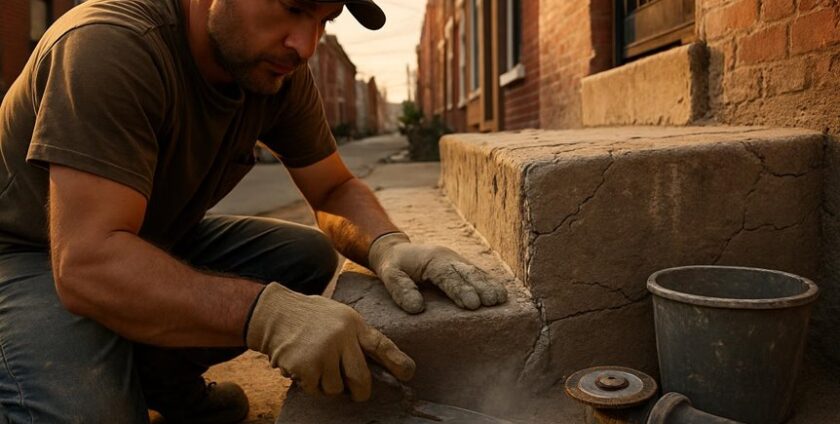
Concrete restoration is vital for maintaining the integrity and appearance of surfaces in Camden, NJ. Regular inspections can reveal common issues such as cracks and discoloration that require attention. Utilizing high-strength, eco-friendly materials guarantees durability and longevity. Nevertheless, knowing when to tackle repairs independently or seek professional help can make all the difference. Exploring effective techniques and strategies for restoration will provide valuable insights into preserving these essential structures.
Understanding the Importance of Concrete Restoration
The significance of concrete restoration cannot be emphasized enough, as it serves an essential function in maintaining the integrity and longevity of structures. Effective restoration not only enhances the aesthetic appeal but also provides concrete longevity benefits, ensuring that buildings and pavements endure the test of time.
Proper restoration project planning is essential; it involves evaluating existing conditions, selecting suitable materials, and applying the right techniques. By prioritizing concrete restoration, property owners can prevent further deterioration, reduce repair costs, and ultimately extend the lifespan of their investments. Understanding this importance is critical for sustainable construction practices and the preservation of infrastructure. Additionally, employing modern techniques such as exothermic hydration process can significantly improve the durability of restored concrete surfaces.
Identifying Common Concrete Issues
While undertaking concrete restoration, recognizing common issues is essential for effective intervention.
One prevalent problem is crack identification, which can vary in size and severity. Small hairline cracks may indicate surface tension, while larger cracks often suggest structural issues.
Additionally, surface discoloration can signal water damage or chemical exposure, impacting both aesthetics and durability.
Professionals should assess these issues promptly, as neglecting them can lead to further deterioration.
Understanding the implications of cracks and discoloration enables property owners to address these concerns proactively, ensuring a successful restoration process that enhances the longevity of concrete surfaces. Moreover, addressing these issues can contribute to the sustainable management of construction and demolition materials, reducing waste generated during repair activities.
Tools and Materials Needed for Restoration
Proper concrete restoration requires a selection of essential tools and materials to guarantee effectiveness and safety. This section will outline the recommended tools for various restoration tasks, the types of materials best suited for concrete repairs, and the necessary safety equipment to protect workers during the process. Understanding these components is vital for achieving long-lasting restoration results. Additionally, using high-performance epoxy floor systems can significantly enhance the durability and appearance of restored concrete surfaces.
Essential Tools Overview
Successful concrete restoration hinges on having the right tools and materials at one’s disposal. Essential tool types include chisels for surface preparation, trowels for smoothing, and concrete mixers for proper material blending.
Additionally, power tools like grinders and saws greatly enhance efficiency. Regular tool maintenance is important to guarantee peak performance; this involves cleaning, sharpening, and storing tools appropriately to prolong their lifespan.
Investing in quality tools not only improves the restoration process but also assures a more professional finish. Understanding these tools and their upkeep is critical for anyone undertaking concrete restoration projects.
Recommended Material Types
Having the right tools is just the beginning; selecting appropriate materials is equally essential for effective concrete restoration. Key materials include high-strength concrete mixes that guarantee material durability and longevity.
For those conscious of environmental impact, eco-friendly options such as recycled aggregates or low-VOC sealers are advisable, promoting sustainability without compromising quality. Additionally, specialized repair mortars and bonding agents are critical for fixing cracks or surface imperfections, enhancing adherence and overall performance.
Ultimately, choosing the right materials not only improves the aesthetic appeal of the restored concrete but also contributes to its resilience against future wear and tear. Furthermore, considering low-carbon concrete options can further enhance sustainability efforts in restoration projects.
Safety Equipment Necessities
A comprehensive approach to concrete restoration necessitates the use of crucial safety equipment to protect workers from potential hazards.
Workers should always wear safety goggles to shield their eyes from dust, debris, and harmful chemicals. Protective gloves are essential as they provide a barrier against skin irritation and injuries while handling materials and tools.
Additionally, hard hats and steel-toed boots are recommended to prevent injuries from falling objects or heavy equipment. Ensuring that all team members are equipped with these safety essentials not only promotes a safe working environment but also enhances overall efficiency in the restoration process.
Preparing the Surface for Repair
Preparing the surface for concrete repair is essential for achieving a durable and effective restoration.
This process begins with thoroughly cleaning the area to remove any debris, dirt, or contaminants that could hinder adhesion.
Following this, a careful assessment of the damage’s extent will inform the necessary repair methods and materials to be used. Additionally, applying industrial-grade densifiers can significantly enhance the concrete’s hardness and durability during the restoration process.
Clean the Surface Thoroughly
Thoroughly cleaning the surface is essential for successful concrete restoration. Effective surface preparation begins with removing dirt, debris, and any previous coatings that may hinder adhesion.
Various cleaning techniques can be employed, including pressure washing, scrubbing with stiff brushes, and using chemical cleaners. It is vital to guarantee that all contaminants are eliminated to create a suitable substrate for repair materials.
Additionally, any oil or grease stains should be treated with specialized degreasers. A clean surface promotes peak bonding, ultimately enhancing the durability and longevity of the restored concrete, making thorough cleaning a fundamental step in the restoration process. This is particularly important when considering self-leveling polished overlays, which require a pristine surface for optimal performance.
Assess Damage Extent
How can one effectively determine the extent of damage before initiating concrete restoration? A thorough damage assessment is essential for selecting appropriate repair techniques.
This process involves examining the concrete for visible signs and conducting tests if needed. Key factors to take into account include:
- Cracks: Identify size and depth.
- Surface Erosion: Check for spalling or flaking.
- Water Damage: Look for signs of moisture infiltration.
- Structural Integrity: Assess general stability.
Fixing Cracks and Holes Effectively
Numerous homeowners encounter the challenge of fixing cracks and holes in their concrete surfaces, which can compromise both aesthetics and structural integrity.
Effective crack repair begins with cleaning the area to remove debris and loose material. Next, a suitable repair compound, such as epoxy or polyurethane, should be applied, making certain it penetrates deeply into the crack.
For hole filling, larger voids may require a patching mix that is leveled to match the surrounding surface. Allow adequate curing time for both repairs to guarantee durability.
Regular maintenance can prevent future issues, preserving the concrete’s functionality and appearance over time.
Cleaning and Removing Stains From Concrete
Cleaning and removing stains from concrete is essential for maintaining its appearance and longevity.
Effective cleaning techniques, along with the appropriate stain removal products, can greatly enhance the surface’s condition.
Additionally, implementing preventive maintenance tips can help mitigate future staining and preserve the integrity of the concrete.
Effective Cleaning Techniques
Maintaining the appearance of concrete surfaces requires effective cleaning techniques that can address various stains and buildup.
Employing advanced cleaning methods not only enhances aesthetics but also promotes longevity.
Consider the following eco-friendly solutions for ideal results:
- Pressure Washing: Removes dirt, grime, and mildew with minimal chemicals.
- Baking Soda Paste: A natural abrasive that effectively lifts stains.
- Vinegar Solution: An eco-friendly option for tackling oil and grease stains.
- pH-Neutral Cleaners: Safe for the environment and effective on general dirt.
Utilizing these techniques will guarantee concrete surfaces remain clean and visually appealing.
Stain Removal Products
What options exist for effectively removing stubborn stains from concrete surfaces? Various stain removal products are available, each designed for specific types of stains, such as oil, rust, or mildew. Popular choices include enzymatic cleaners for organic stains, acidic solutions for rust, and degreasers for oil-based blemishes. Product effectiveness can vary based on the stain’s nature and the concrete’s porosity. It is vital to follow manufacturer instructions for best results. Additionally, testing a small, inconspicuous area prior to full application can help guarantee compatibility and avoid damage. Selecting the right product is important for successful stain removal on concrete.
Preventive Maintenance Tips
While regular upkeep may seem tedious, implementing preventive maintenance on concrete surfaces can greatly reduce the occurrence of stains and prolong the material’s lifespan.
Property owners should prioritize routine inspections and take proactive steps to maintain their concrete.
Effective preventive measures include:
- Regularly sweeping to remove debris
- Promptly cleaning spills to prevent staining
- Using a sealant to protect against moisture
- Conducting seasonal inspections for cracks or damage
Additionally, understanding moisture management is crucial for maintaining the integrity of concrete surfaces, as elevated moisture levels can lead to deterioration.
Techniques for Resurfacing Concrete
Resurfacing concrete requires careful consideration of techniques to guarantee a durable and aesthetically pleasing finish. Various concrete types dictate the choice of resurfacing methods, assuring compatibility and effectiveness.
Common techniques include the application of polymer-modified overlays, which enhance adhesion and durability, and micro-topping solutions that provide a smooth surface. Additionally, stamped concrete techniques can add visual appeal while protecting the underlying structure.
For ideal results, it is essential to properly prepare the surface by cleaning and repairing any damage before applying the chosen resurfacing method. This preparation assures a long-lasting and visually appealing outcome for any concrete restoration project.
Applying Sealants for Longevity
Applying sealants to concrete surfaces is an important step in guaranteeing their longevity and durability. Various sealant types are available, each suited to specific conditions and requirements.
Employing proper application techniques is vital for peak performance. Consider the following tips:
- Choose a sealant based on the concrete’s exposure and environment.
- Confirm the surface is clean and dry before application.
- Use a roller or sprayer for even coverage.
- Allow adequate curing time to maximize sealant effectiveness.
Choosing the Right Decorative Finishes
Selecting the appropriate decorative finishes for concrete can greatly enhance both the aesthetic appeal and functionality of the surface. Various decorative options, such as stamped patterns, stained surfaces, and polished finishes, allow homeowners to tailor their concrete to specific design preferences.
Color selection holds an essential function in this process, as it can influence the overall atmosphere of the space. Neutral tones may create a sophisticated look, while vibrant colors can add energy and character.
Consulting with a professional can guarantee that the chosen finishes align with both personal taste and practical requirements, ultimately leading to a successful concrete restoration project.
Maintaining Your Restored Concrete Surfaces
While a beautifully restored concrete surface can transform a space, regular maintenance is essential to preserving its appearance and longevity.
Effective surface upkeep involves a few key practices:
- Conduct regular inspections for cracks or damage.
- Clean surfaces frequently to prevent staining and deterioration.
- Reseal every few years to protect against moisture and wear.
- Avoid using harsh chemicals that can degrade the surface.
- Implementing regular inspections can help identify potential issues before they escalate into costly repairs.
Cost-Effective Solutions for Concrete Restoration
When considering concrete restoration, numerous cost-effective solutions can greatly reduce expenses without compromising quality.
One effective method is resin injection, which addresses cracks and structural issues by filling voids and enhancing durability. This technique not only extends the life of the concrete but also minimizes the need for extensive repairs.
Additionally, surface overlays provide an economical way to rejuvenate worn or damaged concrete surfaces. These overlays can improve aesthetics while offering protection against further deterioration.
When to Call in the Professionals
How can one determine the right moment to engage professional help for concrete restoration?
Recognizing the signs is vital for effective maintenance and longevity. A professional assessment is recommended when:
- The damage exceeds superficial cracks and requires specialized tools.
- The timeline for project completion is tight, necessitating expert efficiency.
- Safety concerns arise, indicating structural integrity issues.
- DIY methods have proven ineffective or overwhelming.
Frequently Asked Questions
How Long Does Concrete Restoration Typically Last?
Concrete restoration typically lasts between 5 to 15 years, depending on factors such as environmental conditions and maintenance practices. Regular maintenance tips, including sealing and cleaning, can greatly enhance restoration longevity and total durability.
Can I Restore Concrete Myself or Hire a Professional?
Individuals can choose between DIY restoration or hiring professional services. While DIY restoration may save costs, professionals guarantee quality and durability, making them a reliable option for those seeking effective, long-lasting results in concrete restoration projects.
What Weather Conditions Affect Concrete Restoration Projects?
Weather conditions greatly affect concrete restoration projects. Temperature effects can alter curing times, while humidity impact may influence moisture levels. Ideal conditions guarantee successful adhesion and durability, making careful monitoring essential for effective restoration outcomes.
Are There Eco-Friendly Options for Concrete Restoration?
Eco-friendly options for concrete restoration include the use of sustainable materials and the implementation of green practices. These approaches minimize environmental impact while enhancing durability and aesthetic appeal, making them progressively favored in modern restoration projects.
How Do I Prevent Future Concrete Damage After Restoration?
To prevent future concrete damage after restoration, implementing regular preventive maintenance and applying surface sealing are essential. These practices protect against moisture infiltration, freeze-thaw cycles, and other environmental factors, ensuring long-lasting durability and integrity of the concrete.
Conclusion
To summarize, effective concrete restoration in Camden, NJ, hinges on proactive inspections, high-quality materials, and proper techniques. By understanding common issues, preparing surfaces diligently, and applying suitable finishes, property owners can greatly enhance the longevity and appearance of their concrete surfaces. Regular maintenance further guarantees sustained durability. On the other hand, for extensive damage or structural concerns, enlisting professional expertise is vital, safeguarding the integrity of the concrete and guaranteeing a successful restoration process.
- By: Francis Burnet
- Tags: Camden NJ, concrete restoration, surface transformation
- Category: Surface Preparation & Grinding, Troubleshooting Common Flooring Issues
- 0 comment