
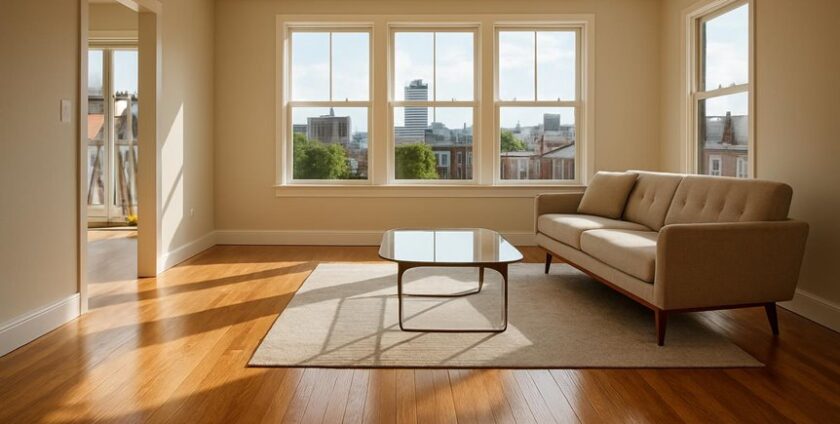
Floor resurfacing serves an essential function in enhancing property value in Allentown, PA. It improves the visual appeal of flooring, making homes more attractive to potential buyers. By restoring surfaces, homeowners can showcase their property’s quality and craftsmanship. This process not only raises aesthetic standards but also contributes to safety and longevity. Understanding the various aspects of floor resurfacing can reveal its full potential for maximizing property value. What factors should homeowners consider before taking the plunge?
Understanding the Importance of Floor Condition
Although often overlooked, the condition of flooring serves an essential function in determining the total value of a property. Well-maintained floors not only enhance aesthetic appeal but also contribute considerably to a home’s resale potential.
Regular floor maintenance, including cleaning, refinishing, and repairs, guarantees longevity and prevents costly replacements. Potential buyers frequently assess flooring quality during property viewings, making it a critical factor in their decision-making process.
Investing in floor upkeep can lead to a higher appraisal value, ultimately maximizing returns when selling. Consequently, understanding the importance of floor condition is crucial for homeowners looking to increase their property value. Additionally, utilizing high-quality flooring services ensures that the results are both durable and stylish, further appealing to potential buyers.
Types of Flooring and Their Impact on Value
What types of flooring can greatly influence a property’s market value?
High-quality flooring choices, such as luxury vinyl, are increasingly favored due to their durability and aesthetic appeal. These materials offer homeowners a cost-effective alternative to traditional hardwood while mimicking its appearance.
Additionally, eco-friendly options like bamboo or cork not only appeal to environmentally conscious buyers but also enhance a property’s marketability.
The choice of flooring can markedly impact buyer perception, with well-maintained, attractive surfaces often leading to higher valuations. Incorporating natural stone tiles can also elevate the overall appeal and value of a property.
Ultimately, selecting the right flooring is essential for homeowners aiming to maximize their property investment in Allentown, PA.
The Benefits of Hardwood Floor Resurfacing
Hardwood floor resurfacing revitalizes aging surfaces, enhancing both aesthetic appeal and functionality. This process effectively removes scratches and imperfections, restoring the wood’s natural beauty and increasing its longevity.
Homeowners can enjoy significant hardwood benefits, including improved air quality and a warmer atmosphere, which attract potential buyers. Additionally, resurfacing promotes easier floor maintenance, as a smooth finish reduces dust accumulation and simplifies cleaning routines.
Enhancing Tile Floors to Attract Buyers
When potential buyers walk through a home, the condition of the tile floors can greatly influence their general impression.
Tile aesthetics play an essential role in appealing to buyer psychology, as clean, well-maintained floors signal care and attention to detail.
Resurfacing can rejuvenate outdated or worn tiles, enhancing their visual appeal and creating a sense of luxury.
Buyers are more likely to envision themselves in a property with attractive tile floors, perceiving it as a worthwhile investment.
Transforming Concrete Floors for Modern Appeal
Concrete floors are increasingly recognized for their potential to improve the modern aesthetic of a home. By applying contemporary finishes, homeowners can transform plain concrete into a visually striking element.
Techniques such as staining, polishing, or adding decorative overlays can create stylish patterns that raise the complete design. These enhancements not only provide a sleek, sophisticated look but also guarantee durability and ease of maintenance. Furthermore, the process of mechanical concrete polishing ensures a tailored finish that enhances surface texture and appearance.
Consequently, properties featuring modernized concrete floors often appeal to buyers seeking a blend of functionality and style. Investing in such transformations can greatly contribute to a home’s value in today’s competitive real estate market.
Cost-Effective Strategies for Floor Resurfacing
Although floor resurfacing can initially seem like a considerable investment, several cost-effective strategies can make this home improvement project more accessible for homeowners.
Utilizing budget-friendly options, such as selecting less expensive materials or opting for DIY methods, can greatly reduce costs.
Additionally, implementing cost-saving techniques like reusing existing flooring or focusing on high-traffic areas can enhance the project’s efficiency.
Homeowners may also consider scheduling resurfacing during off-peak seasons to take advantage of reduced labor costs. Incorporating epoxy floor systems into the resurfacing process can also significantly boost durability and aesthetic appeal.
The Resurfacing Process: What to Expect
The resurfacing process begins with an initial surface assessment to identify any damage or imperfections. Following this evaluation, thorough preparation and cleaning are essential to guarantee peak adhesion of the new surface. Finally, the application and finishing stages will establish a durable and aesthetically pleasing floor that enhances property value. Additionally, selecting high-quality materials such as resilient flooring can further improve the longevity and appeal of the resurfaced area.
Initial Surface Assessment
Before any floor resurfacing project begins, a thorough initial surface assessment is essential to determine the existing condition and suitability of the flooring.
This evaluation employs various surface evaluation techniques to identify flooring damage indicators that may affect the resurfacing process.
- Inspect for cracks, chips, or warping
- Assess moisture levels to prevent future issues
- Evaluate surface texture and adhesion quality
Proper assessment not only informs the necessary repairs but also guides the choice of materials and methods, ensuring a successful resurfacing that enhances property value in Allentown, PA. Additionally, understanding moisture management is crucial to prevent complications that could arise post-resurfacing.
Preparation and Cleaning
Preparation and cleaning are critical steps in the floor resurfacing process, setting the foundation for a successful outcome.
Effective surface preparation involves removing any existing dirt, grime, or imperfections, ensuring an ideal bonding surface for new materials. Various cleaning techniques, such as scrubbing and steam cleaning, can be employed to achieve a thoroughly cleaned floor.
Additionally, addressing any cracks or damage during this phase is essential, as it prevents future complications. By investing time in proper preparation and cleaning, property owners in Allentown, PA, can enhance the overall quality of their floors, ultimately contributing to increased property value. Moreover, utilizing epoxy resinous flooring can provide a seamless finish that not only looks great but also offers durability and ease of maintenance.
Application and Finishing
During the application and finishing phase of the floor resurfacing process, skilled professionals meticulously apply the new material, ensuring an even and consistent layer across the surface.
Various application techniques are employed to optimize adhesion and durability. Once the material is set, the finishing touches are essential for achieving the desired aesthetic and functionality.
- Proper leveling to eliminate imperfections
- Application of sealants for enhanced protection
- Final polishing to achieve a smooth finish
These steps not only enhance the visual appeal but also contribute to the overall longevity of the flooring, ultimately improving property value in Allentown, PA. Additionally, utilizing high-performance flooring solutions can further extend the life and performance of the newly resurfaced floors.
Choosing the Right Professionals for the Job
Selecting the right professionals for floor resurfacing is essential for achieving the best results.
Key factors to take into account include their experience and expertise in the field, as well as their licensing and insurance status, which guarantee compliance with industry standards and protection against potential liabilities.
A thorough evaluation of these elements can greatly influence the quality of the resurfacing project. Additionally, consider professionals who offer comprehensive training programs that enhance their skills and knowledge in installation techniques.
Experience and Expertise
Expertise serves an essential function in the success of floor resurfacing projects, influencing both the quality of the work and the general satisfaction of property owners.
Selecting professionals with experience guarantees that the latest flooring trends are understood and implemented effectively. Property owners benefit from expert insights that guide design choices and material selections.
- Knowledge of current flooring trends
- Ability to provide tailored solutions
- Commitment to high-quality craftsmanship
Investing in skilled professionals not only enhances the outcome but also contributes to increased property value, making the choice of experts a critical aspect of the resurfacing process. Additionally, professionals who are engaged and informed about industry standards can ensure compliance with evolving building codes, further protecting property investments.
Licensing and Insurance
Although the allure of a beautiful floor can be tempting, ensuring that the professionals hired for resurfacing are properly licensed and insured is paramount.
Licensing requirements vary by state, making it essential for homeowners in Allentown, PA, to verify credentials before hiring. Licensed contractors demonstrate compliance with local regulations and industry standards, which can enhance trust. Additionally, insurance coverage protects both the homeowner and the contractor from potential liabilities during the resurfacing process. Furthermore, having a construction checklist in place can help ensure that all necessary protocols are followed throughout the resurfacing project.
DIY vs. Professional Resurfacing: Pros and Cons
When considering floor resurfacing, homeowners often face the decision between a DIY approach and hiring a professional service. Each option presents distinct pros and cons that warrant careful evaluation.
- DIY Advantages: Lower cost and complete control over material choices.
- Professional Drawbacks: Higher expenses and limited scheduling flexibility.
Homeowners must weigh skill requirements and time investment against the assurance of quality and long-term results that professionals typically provide. Furthermore, opting for professional services can ensure the use of high-performance urethane cement which enhances durability and safety in the long run.
A thorough cost comparison can illuminate the potential trade-offs, helping individuals decide whether the DIY route or professional services align better with their financial and aesthetic goals.
How Floor Resurfacing Contributes to Curb Appeal
Floor resurfacing plays a significant role in boosting a property’s curb appeal by improving visual aesthetics and general attractiveness.
A well-executed resurfacing project can modernize the design, making the property more inviting to potential buyers and visitors.
Consequently, these improvements can enhance the perception of value, contributing to a more favorable market position. Additionally, investing in automated construction technologies can further streamline property upgrades and improve overall quality.
Enhanced Visual Aesthetics
While a property’s exterior often sets the first impression, the condition of its floors plays a critical role in enhancing general visual aesthetics.
Floor resurfacing can dramatically boost a home’s appeal by offering a fresh, polished look. With a range of floor color and texture options available, homeowners can customize their spaces to reflect modern trends or classic styles.
- Enhanced light reflection improves overall ambiance
- A cohesive design creates a more inviting atmosphere
- Durable finishes guarantee lasting beauty and functionality
Ultimately, these enhancements contribute greatly to the property’s perceived value and attractiveness. Additionally, proper installation techniques used for wet areas and high-traffic zones ensure that the new flooring not only looks good but also stands the test of time.
Increased Property Attractiveness
Although the exterior of a property often garners immediate attention, it is the condition and appearance of the floors that greatly enhance total curb appeal.
Resurfacing floors allows homeowners to select colors that complement their property’s exterior while aligning with current flooring trends. This thoughtful color selection not only revitalizes the space but also creates a cohesive aesthetic that attracts potential buyers.
A well-maintained floor gives the impression of a cared-for home, signaling to buyers that the property is worth their investment. Ultimately, attention to flooring can markedly contribute to a property’s overall attractiveness and marketability in Allentown, PA. Additionally, using modern materials like TRU PC surface can elevate a home’s interior, further increasing its desirability.
Modernized Design Appeal
A property’s design appeal is greatly enhanced through the process of floor resurfacing, which introduces modern aesthetics that resonate with current trends. This transformative approach not only revitalizes spaces but also boosts overall curb appeal.
- Incorporates contemporary design elements, attracting potential buyers.
- Utilizes durable materials that reflect modern trends in sustainability.
- Creates a cohesive look that harmonizes with updated architectural styles.
- Additionally, incorporating high-impact activities into the design can elevate the functionality of the space while appealing to fitness-focused buyers.
Case Studies: Successful Resurfacing Projects
Floor resurfacing projects have demonstrated remarkable potential in enhancing property value across various settings.
In Allentown, several case studies highlight successful renovations where floor upgrades greatly improved both aesthetics and market appeal. For instance, a local family transformed their outdated hardwood floors with a modern finish, resulting in a 15% increase in their home’s value.
Another project involved resurfacing concrete floors in a retail space, attracting higher foot traffic and ultimately boosting sales. These examples illustrate how strategic floor resurfacing not only revitalizes spaces but also serves as a sound investment, appealing to prospective buyers and tenants alike. Additionally, incorporating energy efficiency measures during the resurfacing process can further enhance the overall value of the property.
Long-Term Benefits of Maintaining Your Floors
While many property owners focus on initial renovations, maintaining floors over the long term is essential for preserving both aesthetic appeal and structural integrity.
A comprehensive maintenance schedule not only enhances floor longevity but also minimizes costly repairs in the future. By regularly addressing wear and tear, property owners can enjoy numerous benefits, including:
- Improved visual appeal, attracting potential buyers or renters
- Enhanced safety by reducing slip hazards and uneven surfaces
- Increased property value through sustained investment in quality flooring
Additionally, the use of custom-designed flooring solutions can significantly elevate the overall ambiance and marketability of a property.
Prioritizing floor maintenance guarantees that the investment made in resurfacing continues to yield returns for years to come.
Frequently Asked Questions
How Long Does Floor Resurfacing Typically Take?
Floor resurfacing typically takes one to three days, depending on cost factors and preparation steps. Proper assessment and planning guarantee efficiency, allowing for timely completion while minimizing disruptions to the property and its occupants.
What Maintenance Is Required After Resurfacing?
Post resurfacing care includes following floor cleaning guidelines, which recommend using gentle cleaners, avoiding excessive water, and regularly sweeping to maintain the surface’s integrity and appearance, ensuring longevity and ideal performance of the newly resurfaced floor.
Can Resurfacing Be Done on All Floor Types?
Resurfacing techniques can be applied to various flooring materials, including hardwood, laminate, and concrete. Nevertheless, not all surfaces are suitable; evaluating compatibility is essential to guarantee effective and lasting results from the resurfacing process.
Will Resurfacing Eliminate Scratches and Dents?
Resurfacing effectively addresses surface imperfections, including scratch removal and dent repair. This process rejuvenates the flooring, enhancing its visual appeal and extending its lifespan, making it a valuable solution for maintaining and improving floor quality.
Is There a Warranty for Resurfacing Services?
Many resurfacing services offer warranty coverage and service guarantees, ensuring customer satisfaction. Prospective clients should inquire about specific terms and duration of these warranties to understand the protection offered for their investment in flooring.
Conclusion
In summary, floor resurfacing in Allentown, PA, serves as an essential investment for homeowners seeking to enhance property value. By revitalizing various flooring types, such as hardwood, tile, and concrete, property owners can greatly improve aesthetic appeal and marketability. Whether opting for a DIY approach or hiring professionals, the long-term benefits of maintaining well-conditioned floors are undeniable. Ultimately, a well-resurfaced floor not only raises the home’s attractiveness but also contributes to its comprehensive safety and longevity in a competitive market.
- By: Francis Burnet
- Tags: Allentown PA, floor resurfacing, property value
- Category: Surface Preparation & Grinding, Troubleshooting Common Flooring Issues
- 0 comment