
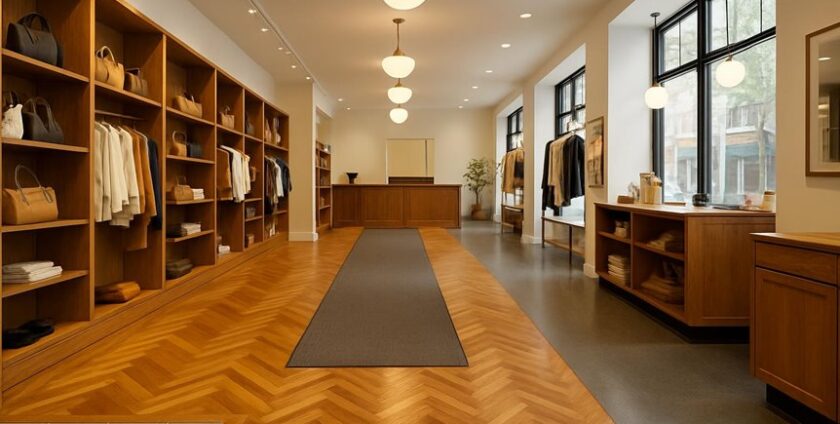
Selecting the right flooring for retail stores in Princeton, NJ, requires careful consideration of various factors. Durability, aesthetic appeal, and maintenance are critical elements that can greatly impact the shopping experience. Options such as hardwood, laminate, vinyl, and tile each offer unique benefits tailored to different retail needs. Understanding these choices is essential for creating an inviting atmosphere that resonates with customers and reflects brand identity. What factors should retailers prioritize when making this important decision?
Understanding Your Retail Space Needs
How does one determine the ideal flooring for a retail space? Evaluating the unique needs of the retail environment is essential.
Factors such as floor layout and anticipated foot traffic influence the selection process. A well-planned floor layout optimizes shopping experiences, guiding customers seamlessly through the space.
High foot traffic areas require durable materials to withstand wear while maintaining aesthetics. Additionally, the flooring should complement the store’s branding and enhance visual appeal. Ultimately, understanding these elements allows retailers to choose flooring that not only supports functionality but also enhances the customer experience, ensuring long-term satisfaction and operational efficiency. Moreover, considering comprehensive flooring solutions can provide tailored options that meet specific project needs.
The Benefits of Hardwood Flooring
Hardwood flooring offers numerous advantages for retail environments, combining aesthetic appeal with a timeless elegance that enhances the shopping experience.
Its durability and longevity guarantee it withstands heavy foot traffic, making it a wise investment for store owners.
Additionally, hardwood’s easy maintenance solutions contribute to a clean and inviting atmosphere, further attracting customers.
Aesthetic Appeal and Elegance
While various flooring options exist for retail environments, few can match the aesthetic appeal and elegance of hardwood flooring. This choice aligns seamlessly with modern aesthetic trends, offering a warm, inviting atmosphere that enhances customer experience.
The natural grains and rich tones of hardwood enhance the visual sophistication of any retail space, contributing greatly to its elegance factors. Additionally, hardwood flooring can be easily integrated with various design elements, making it adaptable for diverse retail themes.
In general, the timeless beauty of hardwood not only attracts customers but also reinforces brand identity, establishing a lasting impression that resonates with shoppers.
Durability and Longevity
Durability stands as a key advantage of hardwood flooring, making it a highly sought-after choice for retail environments.
This flooring material offers exceptional wear resistance, allowing it to withstand the heavy foot traffic typical in retail settings. Unlike many other flooring materials, hardwood can endure daily use without significant wear, ensuring longevity and maintaining its aesthetic appeal over time.
Additionally, when properly maintained, hardwood can last for decades, making it a cost-effective investment. Retailers benefit from a durable surface that not only enhances the shopping experience but also reduces the frequency of replacements, ultimately leading to lower long-term costs.
Easy Maintenance Solutions
When considering flooring options for retail environments, the ease of maintenance associated with hardwood flooring becomes a significant advantage.
This type of flooring requires minimal upkeep, as regular sweeping and occasional mopping suffice to keep it looking pristine. Retailers can benefit from straightforward maintenance schedules, which guarantee consistent cleaning without disrupting daily operations.
In addition, hardwood floors are compatible with a range of cleaning products, from gentle solutions to more robust options, allowing for flexibility based on specific needs.
Ultimately, the straightforward maintenance of hardwood flooring contributes to a professional appearance, making it an ideal choice for retail spaces.
Exploring Laminate Flooring Options
How can laminate flooring enhance the aesthetic and functional appeal of retail spaces?
Laminate flooring offers an assortment of laminate textures, mimicking wood, stone, or tile, allowing retailers to create inviting atmospheres.
Its durable surface withstands foot traffic while maintaining a polished appearance, making it a practical choice for busy environments.
Additionally, laminate installation is typically straightforward and cost-effective, minimizing downtime during renovations.
Retailers can easily customize designs to align with their brand identity, ensuring a cohesive look throughout their space.
With an array of styles and finishes available, laminate flooring serves as a versatile option for enhancing both the beauty and functionality of retail settings.
Advantages of Vinyl Flooring
Vinyl flooring offers significant advantages for retail environments, primarily through its durability and longevity.
This flooring option withstands heavy foot traffic and is resistant to scratches and stains, making it ideal for busy stores.
Additionally, its easy maintenance and cleaning requirements guarantee that retailers can maintain a polished appearance with minimal effort.
Durability and Longevity
Although various flooring options exist, vinyl flooring stands out for its remarkable durability and longevity, making it an ideal choice for retail environments.
This flooring material is engineered to withstand heavy foot traffic, ensuring that it maintains its appearance over time. With high wear resistance, vinyl can effectively resist scratches, dents, and stains, reducing the need for frequent replacements.
Additionally, its ability to endure varying temperature and moisture levels enhances its suitability for diverse retail settings. Retailers seeking a long-term flooring solution will find that vinyl not only meets aesthetic needs but also offers exceptional performance and resilience.
Easy Maintenance and Cleaning
One of the standout advantages of vinyl flooring is its effortless maintenance and cleaning requirements, making it particularly appealing for retail store owners.
With minimal cleaning frequency and the right maintenance products, vinyl flooring remains pristine and functional. Retailers can benefit from:
- Quick and easy sweeping or vacuuming
- Simple damp mopping with mild detergents
- Resistance to stains and spills
- Durability against heavy foot traffic
- No need for waxing or refinishing
These features guarantee that retail environments maintain a professional appearance, allowing business owners to focus on customer experience rather than floor upkeep.
Why Choose Tile Flooring?
Tile flooring stands out as a premier choice for retail environments, particularly due to its durability and aesthetic versatility.
One of the significant tile benefits is its ability to withstand heavy foot traffic and resist stains, making it ideal for bustling retail spaces.
Additionally, tile aesthetics offer an extensive variety of designs, colors, and textures, allowing retailers to create a unique ambiance that aligns with their brand identity.
This flooring option not only enhances visual appeal but also contributes to a professional and polished look.
Ultimately, tile flooring combines practicality with style, making it an excellent investment for retail stores.
The Appeal of Carpet in Retail
Carpet presents a distinct appeal for retail spaces, offering warmth and comfort that contrasts with the hard surfaces of tile. This flooring option enhances the shopping experience by creating a cozy atmosphere, inviting customers to linger longer.
Retailers can leverage various carpet textures and color choices to align with their brand identity and aesthetic.
- Absorbs sound, reducing noise levels
- Provides cushioning for staff and customers
- Offers design versatility for various themes
- Enhances safety with slip-resistant options
- Can be easily replaced or repaired
Ultimately, carpet can transform a retail environment, fostering a welcoming ambiance for shoppers. Additionally, various flooring materials can be selected based on durability and cleaning effort, making carpet an excellent choice for high-traffic areas.
Eco-Friendly Flooring Solutions
Eco-friendly flooring solutions are becoming increasingly important for retail stores aiming to enhance their sustainability image.
These options include sustainable material choices, low VOC products that promote healthier indoor air quality, and recyclable flooring solutions that reduce environmental impact. Additionally, incorporating recycling C&D materials into flooring choices can further support sustainable practices while minimizing waste.
Sustainable Material Choices
Increasingly, retailers are recognizing the importance of sustainable material choices regarding flooring solutions.
By opting for eco-friendly technologies and sustainable sourcing, businesses can reduce their environmental footprint while enhancing their brand’s appeal.
The following flooring options exemplify such sustainable choices:
- Bamboo: Rapidly renewable and durable
- Cork: Naturally harvested and biodegradable
- Recycled rubber: Reduces waste and offers cushioning
- Linoleum: Made from natural materials, highly recyclable
- Reclaimed wood: Utilizes pre-existing resources, adding unique character
Incorporating these sustainable materials not only promotes environmental responsibility but also attracts eco-conscious consumers seeking responsible retail experiences.
Low VOC Options
How can retailers enhance their indoor air quality while choosing attractive flooring options? By selecting low VOC materials, businesses can greatly improve customer and employee health.
Low VOC benefits include reduced exposure to harmful chemicals, leading to a more pleasant shopping environment. Options such as natural linoleum, bamboo, and certain engineered woods offer aesthetic appeal without compromising air quality.
Additionally, these materials often provide durability and ease of maintenance, making them practical choices for retail settings. Retailers committed to sustainability will find that investing in low VOC flooring aligns with their eco-friendly values while enhancing the complete shopping experience.
Recyclable Flooring Solutions
Retailers aiming to enhance their sustainability efforts can consider recyclable flooring solutions as a viable option.
These flooring alternatives not only promote flooring sustainability but also reflect a commitment to environmental responsibility. Choosing materials that can be recycled at the end of their lifespan reduces waste and supports a circular economy.
- Bamboo flooring, made from rapidly renewable resources
- Reclaimed wood options, preserving historical materials
- Cork flooring, derived from renewable cork oak trees
- Vinyl flooring made from recycled PVC
- Rubber flooring, often sourced from post-consumer tires
These recyclable materials provide stylish, durable, and eco-friendly solutions for retail spaces.
Analyzing Cost vs. Durability
While cost is often a primary concern for business owners, the durability of flooring materials serves an essential function in the long-term sustainability and operational efficiency of retail spaces.
Conducting a cost analysis reveals that cheaper options may lead to higher replacement frequencies, ultimately increasing total expenses. A durability comparison among various flooring types indicates that investing in robust materials can yield significant savings and minimize disruptions. Retailers must weigh short-term savings against long-term performance to make informed decisions. Ultimately, selecting flooring that balances cost and durability can enhance the shopping experience and support business growth in the competitive retail environment. Additionally, options like epoxy floor systems provide industrial-grade solutions that combine both durability and aesthetic appeal for retail spaces.
Maintenance Considerations for Retail Flooring
When considering flooring options for retail spaces, maintenance requirements play a crucial role in the general effectiveness and longevity of the chosen material.
Effective flooring maintenance not only preserves aesthetics but also guarantees safety and comfort for customers. Routine cleaning is essential to prevent wear and tear.
- Understand specific cleaning requirements for different materials
- Schedule regular inspections to identify damage early
- Utilize appropriate cleaning products to avoid deterioration
- Train staff on proper cleaning techniques
- Establish a maintenance budget to manage costs effectively
- Implement regular risk assessments to ensure safety and compliance in your retail environment.
Design Trends for Retail Flooring
The selection of flooring in retail spaces is increasingly influenced by contemporary design trends that reflect brand identity and customer experience.
Retail flooring trends now emphasize the use of innovative materials, such as luxury vinyl planks and eco-friendly options, to create an inviting atmosphere.
Textures and patterns play a significant role, as retailers aim to differentiate themselves through unique designs.
Additionally, color palettes are shifting towards bold and vibrant hues that resonate with target audiences.
These trends not only enhance aesthetics but also contribute to functionality, ensuring that flooring serves as a practical foundation for bustling retail environments. Incorporating durable and stylish results in flooring choices is essential for maintaining a consistent and appealing retail space.
Impact of Flooring on Customer Experience
Flooring serves an essential function in shaping the comprehensive customer experience within retail environments, influencing both perceptions and behaviors.
The right flooring choices can markedly enhance the shopping environment, impacting customer behavior and brand perception. A well-designed floor can improve space utilization and encourage foot traffic, while contributing to a positive sensory experience.
- Enhances visual merchandising
- Creates a welcoming atmosphere
- Supports brand identity
- Influences customer movement
- Affects acoustics and comfort
Additionally, incorporating safety and protective flooring can further enhance the overall shopping experience by ensuring a secure environment for customers.
Ultimately, thoughtful flooring decisions play a critical role in crafting an inviting retail space that resonates with shoppers and drives sales.
Making the Final Decision for Your Retail Space
How can retailers guarantee that their flooring choice aligns with their brand vision and customer expectations? The decision hinges on a careful evaluation of factors like aesthetics, durability, and maintenance requirements.
Retailers must also consider budget constraints, ensuring the selected flooring fits within financial limits while still enhancing the store’s appeal.
Additionally, effective space optimization is essential; the chosen flooring should facilitate customer flow and highlight merchandise. Incorporating high-performance products can provide retailers with innovative solutions that meet both aesthetic and functional needs.
Frequently Asked Questions
What Flooring Material Is Best for High Foot Traffic Areas?
For high foot traffic areas, materials like luxury vinyl tile and polished concrete excel due to their durability considerations and low maintenance requirements, ensuring longevity while accommodating the demands of heavy use environments effectively.
Can I Install Flooring Over Existing Surfaces?
Yes, flooring can often be installed over existing surfaces, although this may present installation challenges. Proper flooring maintenance is essential to guarantee durability and performance, necessitating careful assessment of the underlying condition before proceeding.
How Long Does Flooring Installation Typically Take?
Installation duration varies based on flooring type and area size, typically ranging from one day to a week. Accurate project timelines depend on preparation, materials, and any necessary subfloor adjustments, impacting total completion time considerably.
What Are the Best Flooring Options for Seasonal Retail Stores?
For seasonal retail stores, ideal flooring options include vinyl, laminate, and polished concrete. These materials offer varied seasonal aesthetics while ensuring flooring durability, effectively accommodating frequent changes in display and foot traffic throughout the year.
How Can Flooring Affect Retail Store Branding?
Flooring greatly influences retail store branding, as it shapes customer perception. The choice of materials, colors, and textures can evoke emotions, enhance brand identity, and create a memorable shopping experience that aligns with the store’s comprehensive image.
Conclusion
To sum up, selecting the right flooring for retail stores in Princeton, NJ, is essential for balancing durability with aesthetic appeal. Each material—hardwood, laminate, vinyl, and tile—offers unique advantages tailored to diverse retail environments. By considering maintenance needs, design trends, and their impact on customer experience, store owners can make informed decisions that enhance both functionality and brand image. Ultimately, investing in quality flooring will create a welcoming atmosphere that encourages customer engagement and loyalty.
- By: Francis Burnet
- Tags: brand experience, retail flooring, store design
- Category: Commercial Flooring Projects
- 0 comment