
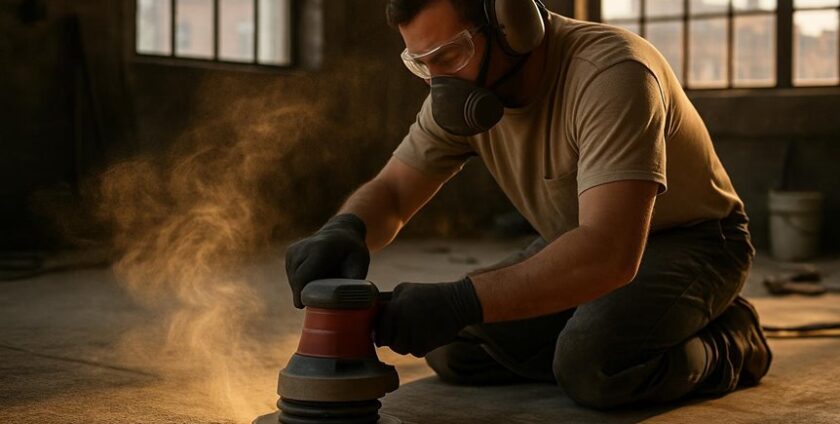
Floor resurfacing in Allentown, PA, offers significant advantages for enhancing the aesthetics and longevity of various flooring types. Understanding the condition of your current floors is vital before making any decisions. Selecting appropriate materials and guaranteeing proper preparation can impact the outcome. Nevertheless, common pitfalls can derail the project. Knowing the costs involved and maintenance requirements is just as important. What steps should one consider next to guarantee a successful resurfacing project?
Understanding the Benefits of Floor Resurfacing
Floor resurfacing offers numerous advantages that can greatly enhance the total quality and appearance of a space.
One significant benefit is the long-term savings it provides; restoring existing floors is often more cost-effective than complete replacement.
Additionally, resurfacing improves the aesthetic appeal of a room, revitalizing worn surfaces and creating a fresh, inviting atmosphere.
This process can also increase property value, making it an attractive option for homeowners and business owners alike.
Moreover, with over 50 years of combined industry experience, professionals can ensure that the resurfacing process is executed with meticulous attention to detail, delivering durable results.
Assessing Your Current Flooring Condition
A thorough assessment of the current flooring condition is essential before starting any resurfacing project.
Utilizing a floor inspection checklist and damage assessment techniques can streamline this process.
Key considerations include:
- Surface Integrity: Check for cracks, warps, or uneven areas.
- Moisture Levels: Measure moisture content to prevent mold.
- Adhesive Issues: Inspect for loose or peeling areas that may affect adhesion.
- Wear and Tear: Evaluate the comprehensive wear to determine necessary repairs.
Additionally, it is important to consider moisture management practices to ensure the longevity of your new flooring.
Choosing the Right Resurfacing Materials
Selecting the right materials involves evaluating both eco-friendly options and durability factors. Eco-friendly materials, such as reclaimed wood or low-VOC products, contribute to sustainable living while maintaining aesthetic appeal.
Durability factors, including resistance to wear and tear, moisture, and climate conditions, are essential for ensuring longevity. Homeowners should consider their specific needs, such as foot traffic and maintenance requirements, to make informed choices.
Ultimately, a balance between sustainability and performance will lead to successful flooring resurfacing that meets practical and environmental standards. Additionally, incorporating epoxy floor systems can provide industrial-grade solutions that enhance both functionality and appearance in high-traffic areas.
Tools You’ll Need for the Job
To successfully complete a floor resurfacing project, specific tools and safety gear are essential. This includes equipment such as grinders, trowels, and sealers, as well as personal protective items like goggles and masks. Proper preparation with the right tools not only guarantees efficiency but also enhances safety during the resurfacing process. Additionally, using high-quality materials, such as those from Sherwin-Williams High Performance Flooring, can significantly improve the durability and appearance of the finished floor.
Essential Resurfacing Equipment
Successful floor resurfacing requires a specific set of tools that are fundamental for achieving a smooth, durable finish.
Understanding and maintaining resurfacing equipment is imperative for effective and efficient results.
Key tools include:
- Floor Sander: Essential for leveling and smoothing the surface.
- Grinder: Useful for removing old finishes and imperfections.
- Trowel: Crucial for applying resurfacing materials evenly.
- Vacuum: Necessary for cleaning dust and debris, ensuring a proper bond.
Employing these fundamental resurfacing techniques with the right equipment can lead to ideal outcomes in floor resurfacing projects. Additionally, using high-quality flooring services can greatly enhance the overall finish and durability of your resurfaced floors.
Proper maintenance of these tools enhances their longevity and performance.
Safety Gear Requirements
A comprehensive understanding of safety gear is essential for anyone undertaking floor resurfacing projects. Proper protective equipment minimizes risks associated with dust, chemicals, and physical hazards.
Key safety gear includes safety goggles to shield the eyes, respirators to prevent inhalation of harmful particles, and gloves to protect the hands from abrasives and chemicals.
Additionally, sturdy work boots should be worn to prevent slips and injuries. Hearing protection may also be necessary when using loud machinery. It is also important to consider the rising concerns of mental health issues in the construction industry, as they can affect overall safety and performance on the job.
Preparing Your Space for Resurfacing
Preparing a space for floor resurfacing requires careful planning and execution to guarantee ideal results. Proper preparation guarantees a smooth process and enhances the final outcome.
Key steps include:
- Space Decluttering: Remove all items from the floor to create an open workspace.
- Furniture Relocation: Move furniture to an adjacent room or storage to prevent damage.
- Surface Cleaning: Thoroughly clean the floor to remove dirt and debris.
- Assessing Condition: Inspect the floor for any repairs needed before resurfacing.
Additionally, ensuring that the work area complies with construction safety regulations is essential for protecting workers and enhancing the overall safety of the project.
Taking these steps will facilitate a successful resurfacing project and assure a professional finish.
Step-by-Step Guide to Resurfacing Hardwood Floors
Resurfacing hardwood floors can greatly enhance their appearance and longevity. The process begins with selecting suitable floor types and evaluating the condition of the wood.
Next, any furniture should be removed, and the area thoroughly cleaned. Using appropriate resurfacing techniques, such as sanding with a drum sander, the old finish is stripped away to reveal fresh wood.
Following sanding, it’s essential to vacuum and wipe down the surface. Then, a stain or finish can be applied, ensuring even coverage. Additionally, it’s important to consider proper installation techniques to ensure that the new finish adheres well and lasts longer.
Lastly, allowing adequate drying time is vital before replacing furniture, ensuring that the newly resurfaced floors shine beautifully.
Techniques for Resurfacing Concrete Floors
Numerous techniques exist for effectively resurfacing concrete floors, each tailored to address specific conditions and desired outcomes.
The choice of method can markedly enhance the aesthetic and functional quality of the surface.
- Staining Techniques: Employing acid or water-based stains to create vibrant colors.
- Decorative Overlays: Applying a thin layer of polymer-modified concrete for a fresh appearance.
- Epoxy Coatings: Offering durability and a glossy finish, ideal for high-traffic areas. The use of epoxy resins enhances the longevity and resistance of the flooring against wear and tear.
- Concrete Grinding: Smoothing the surface to remove imperfections before additional treatments.
These techniques provide options for transforming concrete floors to meet various design preferences and practical needs.
Tips for Resurfacing Tile Floors
When resurfacing tile floors, proper surface preparation is essential to guarantee a successful outcome. This involves cleaning the tiles thoroughly and addressing any existing damage before applying new materials. Selecting the right resurfacing materials is equally important, as it can greatly impact the durability and appearance of the finished surface. Additionally, understanding the types of tiles used in your flooring can help ensure that the resurfacing method is compatible with the existing materials.
Surface Preparation Steps
Although many homeowners may overlook the importance of surface preparation, it is an essential step for achieving a successful tile floor resurfacing project.
Proper surface preparation techniques can greatly enhance the outcome. Here are four vital steps to take into account:
- Inspect the Existing Tiles: Check for cracks or loose tiles that need repair.
- Thorough Cleaning: Utilize effective surface cleaning methods to remove dirt, grease, and grime.
- Sanding: Lightly sand the surface to guarantee better adhesion for new material.
- Priming: Apply a primer if necessary to create a suitable bonding surface for the resurfacing material. Additionally, consider exploring maintenance and cleaning recommendations for long-term floor care to ensure sustained quality and performance.
Choosing Resurfacing Materials
After ensuring a properly prepared surface, the next step involves selecting the right resurfacing materials.
Homeowners in Allentown, PA, should consider various resurfacing options that align with their tile floor’s specific needs. Common choices include epoxy, polyurethane, and specialized tile adhesives, each offering different levels of material durability.
Epoxy, for instance, is known for its resilience and long-lasting properties, making it ideal for high-traffic areas. Additionally, incorporating concrete polishing services can further enhance the durability and aesthetic appeal of the floor.
It is essential to evaluate each option’s suitability based on factors like aesthetics, functionality, and ease of application.
Common Mistakes to Avoid
Many homeowners make critical errors during the floor resurfacing process that can lead to unsatisfactory results. Understanding these common errors and frequent pitfalls can help guarantee a successful project.
- Inadequate Preparation: Failing to properly clean and repair the existing surface can lead to adhesion issues.
- Incorrect Material Choice: Not selecting the right resurfacing material for the specific floor type can cause premature wear.
- Ignoring Environmental Conditions: Neglecting temperature and humidity can affect curing times and finish quality.
- Skipping Professional Help: Attempting a DIY approach when lacking expertise may result in costly mistakes. Additionally, choosing the wrong flooring materials can significantly impact the durability and performance of the resurfaced floor.
Cost Considerations for Your Project
When planning a floor resurfacing project, understanding the associated costs is vital for effective budgeting and successful execution. Homeowners should begin with detailed project estimation to determine the scope and materials required.
Factors influencing costs include the type of flooring, preparation needed, and labor expenses. Additionally, unexpected issues can arise, so allocating a contingency fund is advisable. The choice of materials, such as polished concrete overlay, can significantly impact both aesthetics and durability.
It is important to compare quotes from multiple contractors and consider long-term benefits versus upfront costs. By conducting thorough budget planning, homeowners can guarantee that their resurfacing project remains financially viable while achieving the desired aesthetic and functionality.
Maintenance Tips for Resurfaced Floors
Although resurfaced floors can enhance a home’s aesthetic appeal, proper maintenance is essential to guarantee their longevity and performance. Implementing a consistent maintenance schedule is vital for effective floor care. Here are four key tips:
- Regular Cleaning: Sweep or vacuum frequently to remove dirt and debris.
- Use Appropriate Cleaners: Select pH-balanced cleaners specifically designed for resurfaced floors.
- Avoid Excessive Moisture: Wipe up spills promptly to prevent water damage.
- Reapply Finish as Needed: Periodically apply a protective finish to maintain shine and durability. Additionally, choosing self-leveling polished overlays can further enhance the durability and aesthetic of your floors.
When to Call in the Professionals
Determining the right time to call in professionals for floor resurfacing can greatly impact the quality and durability of the finished product.
Homeowners should consider professional services when the floor exhibits significant damage, such as deep scratches, stains, or uneven surfaces.
Additionally, if the area is large or intricate, professionals possess the expertise and equipment to guarantee a flawless finish.
Complex flooring materials, like hardwood or specialty tiles, often require specialized knowledge for proper resurfacing.
Ultimately, engaging professionals can save time and reduce the risk of costly mistakes, guaranteeing a long-lasting and aesthetically pleasing result. Moreover, using a construction checklist can help streamline the resurfacing process and ensure all necessary steps are followed.
Frequently Asked Questions
How Long Does the Resurfacing Process Typically Take?
The resurfacing timeline typically ranges from one to three days, depending on the project duration and the floor’s condition. Factors such as drying time and preparation can influence how long the entire process takes.
Can I Live in My Home During Resurfacing?
While it is possible to live in the home during resurfacing, temporary relocation is often recommended due to noise concerns and potential disruptions. Homeowners should weigh comfort against the inconvenience of ongoing construction activities.
What Is the Best Season for Floor Resurfacing?
The best season for floor resurfacing is spring or fall, as moderate temperatures enhance curing processes. Seasonal considerations, such as humidity and temperature impacts, greatly affect the quality and durability of the resurfacing results.
Are There Eco-Friendly Resurfacing Options Available?
Eco-friendly resurfacing options are available, utilizing sustainable materials and non-toxic finishes. These choices not only minimize environmental impact but also enhance indoor air quality, making them ideal for health-conscious consumers seeking responsible flooring solutions.
How Can I Prevent Future Damage to My Floors?
To prevent future damage to floors, regular floor maintenance is essential. This includes promptly addressing spills to minimize water damage, using protective mats, and ensuring proper humidity levels to maintain the integrity of the flooring materials.
Conclusion
To summarize, floor resurfacing in Allentown, PA, can greatly enhance the appearance and longevity of your floors when approached with careful planning and the right materials. Homeowners should prioritize evaluating their flooring condition, selecting eco-friendly options, and preparing the space adequately. Avoiding common mistakes and understanding cost considerations will lead to a successful project. Regular maintenance is essential for sustaining the results, but when in doubt, consulting experienced professionals can guarantee the best outcomes.
- By: Francis Burnet
- Tags: Allentown PA, floor resurfacing, home improvement
- Category: Surface Preparation & Grinding, Troubleshooting Common Flooring Issues
- 0 comment