
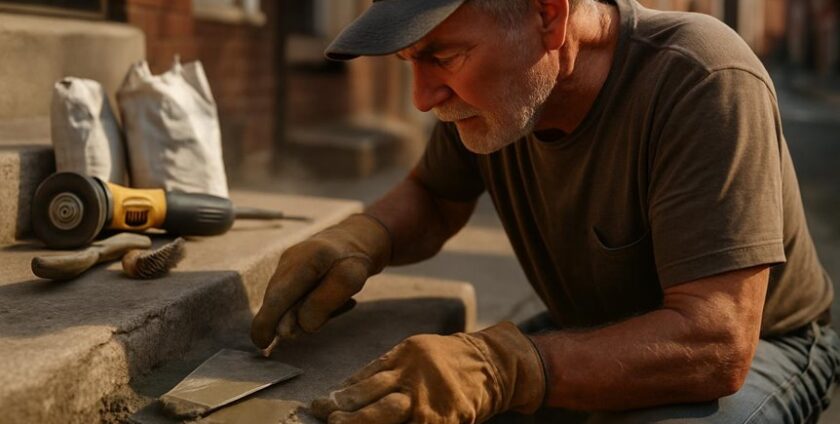
Concrete restoration is vital for maintaining the integrity and appearance of surfaces in Philadelphia. Experts emphasize the importance of early damage detection, such as cracks and discoloration. Selection of appropriate repair materials and techniques is imperative, especially given the local climate. Regular maintenance can greatly extend the life of restored concrete. Understanding these factors is essential for anyone considering a restoration project. What specific strategies can guarantee lasting results?
Understanding the Importance of Concrete Restoration
Understanding the importance of concrete restoration is vital for maintaining structural integrity and maximizing the concrete lifespan.
Restoration techniques can effectively address surface deterioration, cracks, and other imperfections, ensuring the longevity of concrete structures. The restoration benefits extend beyond aesthetics; they enhance safety, prevent further damage, and reduce long-term repair costs. Additionally, proper restoration can help maintain the compressive strength of the concrete, which is crucial for its durability.
Common Causes of Concrete Damage
Concrete damage can arise from an assortment of factors, each contributing to the deterioration of its structural integrity. Among the primary causes are weather effects, which can include freeze-thaw cycles, excessive moisture, and temperature fluctuations that lead to cracking and spalling.
Additionally, structural issues such as inadequate reinforcement, poor mixing, or improper curing can greatly weaken concrete. Over time, these elements exacerbate wear and tear, making it critical for property owners to recognize the signs of damage early. Understanding these common causes helps in implementing effective restoration strategies to maintain concrete durability and safety. Moreover, moisture management is essential in preventing further deterioration and ensuring the longevity of concrete structures.
Assessing the Condition of Your Concrete
Evaluating the condition of concrete is essential for effective restoration.
This process involves employing visual inspection techniques, identifying common damage indicators, and analyzing surface texture.
Visual Inspection Techniques
When evaluating the state of concrete surfaces, a thorough visual inspection is essential for identifying potential issues that could compromise structural integrity.
Employing effective inspection methods allows professionals to recognize visual cues such as cracks, discoloration, and surface wear. Inspectors should systematically assess the entire area, noting any irregularities that may indicate deeper problems.
Utilizing natural light enhances visibility, making it easier to spot subtle defects. Documenting findings with photographs and detailed notes aids in monitoring changes over time.
Common Damage Indicators
Identifying common damage indicators is essential for understanding the general condition of concrete surfaces. Various crack types, including hairline, vertical, and horizontal cracks, can signify underlying issues such as settling or moisture infiltration.
Additionally, surface discoloration often indicates deterioration, potentially caused by water damage, chemical exposure, or UV degradation. Observing these signs early can prevent further damage and costly repairs.
Homeowners and property managers should conduct regular inspections, particularly in areas exposed to harsh weather or heavy traffic, to assess the integrity of their concrete and take necessary restoration actions promptly.
Surface Texture Analysis
How can the surface texture of concrete reveal its general condition?
Surface texture analysis plays an essential part in evaluating concrete integrity. By employing various surface analysis techniques and texture assessment methods, professionals can identify early signs of deterioration.
Key indicators include:
- Cracking Patterns: Fine or deep cracks can indicate structural issues.
- Surface Pitting: Erosion may lead to surface irregularities.
- Discoloration: Stains or fading may suggest moisture intrusion.
- Roughness: Excessive roughness can impact aesthetics and performance.
Understanding these factors enables effective restoration strategies, ensuring the longevity and durability of concrete structures. Additionally, a thorough mechanical concrete polishing process can restore the surface’s appearance and enhance its durability.
Tools and Materials Needed for Restoration
Successful concrete restoration requires a carefully selected array of tools and materials.
Essential restoration equipment includes concrete mixers, trowels, and various finishing tools to guarantee a smooth surface. For material selection, high-quality concrete repair compounds, sealants, and bonding agents are vital for lasting results. Additionally, epoxy floor systems provide excellent options for enhancing the durability of restored surfaces.
Additionally, safety gear such as gloves, goggles, and masks should not be overlooked, as they protect workers during the restoration process.
Properly organizing these tools and materials will enhance efficiency and effectiveness, ultimately leading to successful restoration projects that withstand the test of time while maintaining aesthetic appeal.
Cleaning Your Concrete Surfaces
Before applying any repair compounds or sealants, it is important to thoroughly clean concrete surfaces. This process guarantees that contaminants do not interfere with adhesion and durability.
Professionals recommend using pressure washing for effective removal of dirt, grime, and stains. For environmentally conscious homeowners, eco-friendly cleaners are available that can further enhance the cleaning process without harming the ecosystem.
- Utilize a pressure washer for deep cleaning.
- Choose eco-friendly cleaners for safe surface treatment.
- Rinse surfaces thoroughly to eliminate residue.
- Allow surfaces to dry completely before proceeding to repairs. Additionally, consider consulting a professional for comprehensive flooring solutions to ensure the best results in your restoration project.
Repairing Cracks and Holes
Repairing cracks and holes in concrete is essential for maintaining the integrity and appearance of surfaces. Effective methods include crack injection and surface patching.
Crack injection involves filling voids with a specialized epoxy or polyurethane, ensuring a strong bond that prevents further damage. This technique is particularly useful for deep or structural cracks.
Surface patching, in contrast, addresses smaller holes and surface imperfections by applying a repair compound that matches the existing concrete.
Both methods not only enhance aesthetics but also extend the lifespan of the concrete, making timely repairs vital for any property owner in Philadelphia, PA. Additionally, using epoxy resins in these repairs can significantly improve the durability and adhesion of the materials used.
Resurfacing Options for Dull or Worn Concrete
Maintaining the appearance and functionality of concrete surfaces extends beyond addressing cracks and holes; it also involves resurfacing options for dull or worn concrete.
Various techniques can enhance the aesthetic and durability of concrete, offering a fresh look and extended lifespan.
- Stamped overlays: Mimic the appearance of stone or brick.
- Decorative finishes: Add texture and color for visual appeal.
- Self-leveling compounds: Create a smooth, even surface.
- Concrete stains: Provide a rich, deep color while preserving the substrate.
These resurfacing options not only rejuvenate old concrete but also enhance its overall worth and performance. Additionally, using self-leveling polished overlays can provide a seamless, high-performance flooring solution that enhances both aesthetics and functionality.
Sealing and Protecting Your Restored Concrete
Sealing restored concrete is essential for enhancing its durability and protecting it from environmental damage.
Selecting the appropriate sealant is vital, as it guarantees compatibility with the concrete surface and intended use.
Regular maintenance practices will further extend the lifespan of the sealant and the concrete itself.
Importance of Sealing
Although many homeowners focus on the visible aspects of concrete restoration, the significance of sealing cannot be emphasized enough.
Sealing provides essential protection for restored surfaces, enhancing durability and longevity. Understanding sealing benefits and the various sealant types is vital for effective maintenance.
- Prevents water infiltration and damage
- Reduces the risk of stains and discoloration
- Enhances the appearance of the concrete surface
- Extends the lifespan of the restoration work
In addition, sealing helps in reducing the need for disposal, as properly maintained concrete can be reused and recycled in various construction applications.
Choosing the Right Sealant
Selecting the appropriate sealant involves understanding various sealant types, including acrylic, epoxy, and polyurethane. Each type offers distinct benefits and protection levels, catering to different environmental conditions and usage scenarios.
Additionally, mastering application techniques is essential for achieving ideal results; for example, some sealants require sprayers, while others may utilize rollers or brushes. Proper surface preparation and following manufacturer guidelines will enhance adhesion and longevity. It’s also important to consider the flooring materials used in your concrete restoration, as they can affect the compatibility and performance of the selected sealant.
Ultimately, choosing the right sealant not only protects the restored concrete but also preserves its aesthetic appeal and functionality for years to come.
Maintenance Tips for Longevity
To guarantee the longevity of restored concrete surfaces, regular maintenance is essential. Implementing effective preventive measures and seasonal maintenance practices can greatly extend the life of concrete.
- Apply sealants every few years to protect against moisture and stains.
- Regularly inspect for cracks or damage and address them promptly.
- Clean surfaces with a gentle detergent to remove dirt and debris.
- Avoid deicing salts during winter months to prevent surface deterioration.
Choosing the Right Finish for Your Concrete
When selecting the right finish for concrete, one must consider various factors that influence both aesthetics and functionality.
Textured finishes, such as broom or stamped patterns, enhance slip resistance while adding visual appeal. For those seeking decorative options, acid staining or integral color can transform plain concrete into a vibrant focal point.
Additionally, the environment plays a significant part; finishes should withstand local weather conditions and traffic loads.
Ultimately, understanding the purpose of the space and desired look will guide the selection process, ensuring a finish that harmonizes with both the structure and its surroundings. Moreover, incorporating waterproofing systems can further protect the concrete from moisture damage, enhancing its longevity and performance.
Maintaining Your Restored Concrete
Although restoring concrete can greatly enhance its appearance and durability, proper maintenance is essential to guarantee its longevity. Homeowners should prioritize seasonal maintenance and routine inspections to keep restored concrete in prime condition.
Regular upkeep helps identify issues early, preventing costly repairs down the line.
- Clean surfaces regularly to prevent dirt buildup.
- Seal the concrete to protect against moisture and stains.
- Inspect for cracks or chips, addressing them promptly.
- Avoid using harsh chemicals that could damage the finish.
Hiring Professionals vs. DIY Restoration
When considering concrete restoration, individuals must weigh the benefits of hiring professionals against the option of DIY restoration.
Cost considerations play a significant role, as professional services can be more expensive but often yield higher-quality results.
Additionally, the skill level required for effective restoration can vary greatly, making it essential to assess one’s own capabilities before proceeding. Furthermore, utilizing sustainability initiatives can enhance the overall quality and environmental impact of the restoration project.
Cost Considerations
While many homeowners consider concrete restoration a manageable DIY project, the associated costs can vary considerably between hiring professionals and undertaking the work themselves. Effective budget planning is essential, as material costs can add up quickly.
Professionals may charge for labor and expertise, while DIY enthusiasts must account for tools and materials.
- Professional services can guarantee high-quality results.
- DIY can save labor costs but may lead to mistakes.
- Material costs can vary based on project scope.
- Long-term durability should factor into comprehensive cost assessments.
Understanding these considerations helps homeowners make informed decisions about their restoration projects.
Skill Level Required
Concrete restoration requires varying levels of skill, influencing the decision between hiring professionals and undertaking the project as a DIY endeavor.
For those with limited experience, beginner techniques such as surface cleaning and minor crack filling can be manageable.
Nevertheless, more complex issues may necessitate advanced methods, including resurfacing or structural repairs, which demand specialized knowledge and tools.
While DIY projects can save money, they also carry risks of improper execution.
As a result, homeowners should assess their own skill levels realistically, weighing the benefits of professional expertise against the potential challenges of self-managed restoration efforts in Philadelphia, PA.
Cost Considerations for Concrete Restoration Projects
Cost considerations for concrete restoration projects are critical to successful planning and execution. Proper budget planning guarantees that projects remain financially viable while meeting quality standards.
Accurate material estimates are essential for minimizing waste and keeping costs in check.
- Assess the scope of work to determine total expenses.
- Factor in labor costs and potential contractor fees.
- Consider the long-term maintenance costs associated with restoration materials.
- Set aside a contingency fund for unexpected issues during the project.
Frequently Asked Questions
How Long Does Concrete Restoration Typically Last?
Concrete restoration typically lasts 10 to 15 years, depending on various factors. Effective restoration techniques can greatly extend the concrete lifespan, enhancing durability and performance while addressing underlying issues that might otherwise shorten its life.
Can I Restore Concrete in Winter Months?
Yes, winter concrete restoration is possible. Nevertheless, specific restoration techniques must be employed to accommodate colder temperatures, ensuring proper curing and adhesion. Utilizing additives and heated enclosures can enhance the effectiveness of the restoration process.
What Is the Best Time for Concrete Restoration?
The best time for concrete restoration is during mild weather conditions, typically in spring or early fall. Seasonal considerations and weather impacts greatly influence curing times, ensuring ideal adhesion and durability of the restored surface.
Do I Need a Permit for Concrete Restoration?
Permit requirements for concrete restoration vary by location. It’s crucial to consult local restoration regulations to determine if a permit is necessary, ensuring compliance and avoiding potential fines or delays in the restoration process.
How Do I Choose a Restoration Contractor?
To choose a restoration contractor, evaluate their qualifications, including experience and certifications. Inquire about their knowledge of various restoration techniques to guarantee they can effectively address specific concrete issues and meet project requirements.
Conclusion
To summarize, concrete restoration in Philadelphia requires careful assessment, quality materials, and regular maintenance to guarantee longevity and durability. By understanding the common causes of damage and employing effective cleaning and finishing techniques, property owners can greatly enhance the aesthetic and functional value of their concrete surfaces. Whether opting for professional services or a DIY approach, prioritizing thorough preparation and ongoing upkeep will lead to successful restoration outcomes and extend the lifespan of concrete installations.
- By: Francis Burnet
- Tags: concrete restoration, expert techniques, Philadelphia PA
- Category: Surface Preparation & Grinding, Troubleshooting Common Flooring Issues
- 0 comment