
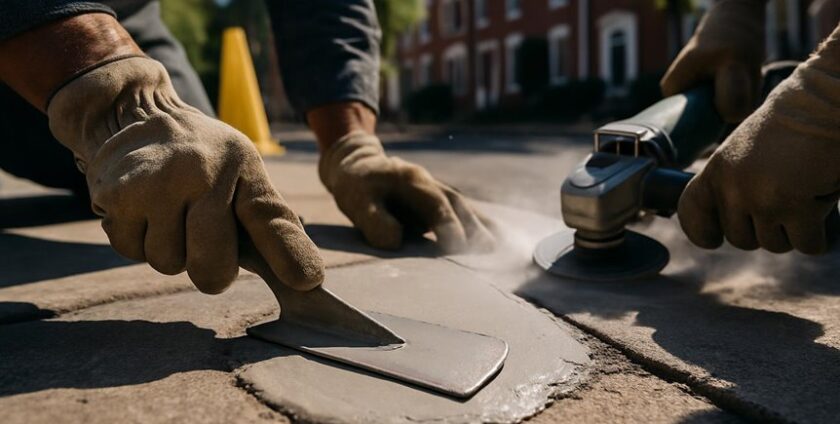
Concrete restoration in Wilmington, DE, requires a systematic approach to guarantee lasting results. It begins with identifying signs of deterioration, such as cracks and spalling. Selecting the appropriate repair methods and materials is essential for effective restoration. Each step, from surface preparation to maintenance, plays a significant role in the outcome. Understanding these processes will help property owners make informed decisions. What are the recommended procedures to follow for ideal results?
Understanding Concrete Deterioration
Although concrete is renowned for its durability, various factors can contribute to its deterioration over time. Different concrete types exhibit varying levels of resilience, affected by environmental conditions and chemical interactions.
Common deterioration causes include moisture infiltration, freeze-thaw cycles, and chemical exposure, such as acidic substances or chloride salts. Additionally, poor construction practices and inadequate curing can weaken the concrete, leading to cracks and spalling.
Understanding these factors is essential for effective maintenance and restoration. By identifying the specific causes of deterioration, property owners can take proactive steps to extend the lifespan of their concrete installations. Regular curing processes are critical to achieving optimal strength and durability in concrete structure.
Assessing the Damage
Evaluating the damage to concrete structures begins with visual inspection techniques that identify visible signs of deterioration. Following this, a thorough structural integrity evaluation is vital to assess the comprehensive safety and functionality of the concrete. These steps are significant in determining the necessary restoration measures to guarantee long-term durability. Additionally, utilizing resources from the American Concrete Institute can enhance the assessment process by providing essential guidelines and best practices.
Visual Inspection Techniques
A thorough visual inspection is essential for accurately identifying damage in concrete structures. Inspectors should utilize an inspection checklist to systematically evaluate various aspects such as cracks, discoloration, and surface wear.
These visual cues help in determining the extent of deterioration, whether it be superficial or more severe. Inspectors should pay attention to areas prone to moisture accumulation, as these often exhibit significant damage.
Consistent documentation of findings is vital for tracking changes over time. By following a structured approach, effective identification of issues can lead to timely and appropriate restoration efforts, ultimately prolonging the life of the concrete structure.
Structural Integrity Assessment
When evaluating the structural integrity of concrete, it is essential to conduct a comprehensive assessment that goes beyond mere visual observations.
This assessment should include a load bearing analysis to determine the capacity of the concrete to support intended loads. Additionally, examining foundation stability is vital to identify any underlying issues that could compromise the structure.
Professionals often employ techniques such as non-destructive testing and materials analysis to gather accurate data. Furthermore, understanding moisture management is crucial in preventing future deterioration of concrete structures.
Choosing the Right Repair Method
Choosing the right repair method for concrete restoration begins with evaluating the severity of the damage.
Understanding the extent of the deterioration is essential, as it informs the selection of appropriate repair materials.
Various options are available, each suited to different types and degrees of damage, ensuring effective restoration outcomes. Additionally, considering the use of concrete densification can significantly improve the durability of the restored surface.
Assessing Damage Severity
How can one accurately determine the severity of concrete damage to guarantee the most effective repair method? Evaluating damage involves identifying common issues such as cracks, spalling, or discoloration.
A thorough visual inspection is essential, often supplemented by probing or moisture tests to appraise underlying problems. Understanding the extent of damage aids in selecting the appropriate repair techniques.
Additionally, estimating repair costs is vital, as minor issues may only require surface treatment, while extensive damage could necessitate complete replacement.
Repair Material Options
After evaluating the severity of concrete damage, selecting the appropriate repair materials becomes a pivotal step in the restoration process.
Various repair options exist, each suited for specific conditions:
- Epoxy options – Ideal for bonding and filling cracks, providing durability and water resistance.
- Polymer additives – Enhance the strength and flexibility of repair mixtures, catering to various environmental factors.
- Concrete resurfacer – Suitable for restoring worn surfaces, offering a fresh finish.
- Self-leveling compounds – Effective for correcting uneven surfaces, ensuring proper drainage and aesthetics.
Choosing the right materials greatly impacts the longevity and effectiveness of concrete repairs. Additionally, utilizing epoxy floor systems can further enhance the durability of the restored surface in high-performance applications.
Tools and Materials Needed for Restoration
A comprehensive selection of tools and materials is crucial for effective concrete restoration in Wilmington, DE. Key restoration equipment includes concrete mixers, trowels, and grinders, which facilitate the preparation and application of repair materials.
Fundamental repair materials consist of epoxy compounds, concrete sealers, and patching compounds, specifically designed for durability and adhesion. Additionally, safety gear such as gloves and goggles guarantees the well-being of workers during the restoration process. Using the appropriate tools and high-quality materials can greatly enhance the longevity and appearance of restored concrete surfaces, making them critical components of any restoration project. Furthermore, incorporating damp proof membranes can help protect the concrete from moisture damage, ensuring the integrity of the restoration over time.
Preparing the Surface for Repair
Properly preparing the surface is essential for successful concrete repair, as it guarantees ideal adhesion and longevity of the repair materials. Effective surface cleaning techniques and substrate assessment methods are vital in this process.
- Remove debris: Clear the area of any dirt, dust, or loose materials using a broom or vacuum.
- Wash the surface: Utilize power washing or chemical cleaners to eliminate stains and contaminants.
- Evaluate the substrate: Inspect for existing damage or weaknesses that may affect the repair.
- Dry the area: Make certain the surface is completely dry before proceeding with repairs to enhance adhesion. Additionally, using self-leveling polished overlays can provide a seamless finish and improve the overall durability of the surface after repair.
Filling Cracks and Holes
With the surface adequately prepared, attention turns to filling cracks and holes, a critical step in restoring the integrity of concrete.
Effective crack sealing involves using specialized materials, such as epoxy or polyurethane, to guarantee a durable bond that prevents water infiltration and further damage.
For hole filling, a mixture of concrete or patching compounds is recommended to provide strength and longevity.
It is essential to clean the areas thoroughly before application, allowing the sealant or filler to adhere properly.
Properly executed crack sealing and hole filling can greatly extend the lifespan of concrete surfaces, enhancing both functionality and aesthetics. Additionally, reducing disposal of C&D materials through effective restoration practices not only conserves resources but also contributes to sustainable waste management efforts.
Resurfacing Techniques
Resurfacing techniques are vital for restoring the functionality and appearance of concrete surfaces.
Effective surface preparation is critical, as it guarantees proper adhesion and longevity of the new layer.
Additionally, selecting the right resurfacing materials and applying them with appropriate techniques can greatly enhance the general quality of the restoration project.
Surface Preparation Importance
Although often overlooked, surface preparation plays a critical role in the success of concrete restoration projects. Proper substrate preparation importance cannot be understated, as it directly influences the durability and performance of the final surface.
Key surface cleaning techniques guarantee that contaminants are removed effectively, allowing for better adhesion of resurfacing materials. The following steps are essential for peak surface preparation:
- Remove dirt, grease, and debris.
- Repair any cracks or damage.
- Use appropriate cleaning agents for stubborn stains.
- Allow the surface to dry completely before applying new materials.
Neglecting these steps can lead to premature failure and costly repairs. Additionally, regular training on proper surface preparation techniques can significantly enhance the quality of restoration efforts.
Choosing Resurfacing Materials
When selecting resurfacing materials for concrete restoration, it is critical to take into account the specific needs of the project, as different materials offer varying benefits and limitations.
Common resurfacing options include polymer-modified overlays, microtoppings, and self-leveling compounds. Each material possesses unique material properties, such as adhesion strength, flexibility, and resistance to wear.
For instance, polymer-modified overlays provide excellent durability, while microtoppings offer a thin profile ideal for aesthetic enhancements. Additionally, incorporating customization tools during the selection process can enhance the visual appeal and functionality of the restored concrete surfaces.
Evaluating these factors guarantees that the chosen resurfacing solution meets both functional and aesthetic requirements, ultimately leading to a successful concrete restoration project in Wilmington, DE.
Application Techniques Overview
Selecting the appropriate resurfacing materials sets the foundation for effective application techniques in concrete restoration. Understanding the various repair methods and their corresponding application techniques can greatly enhance the durability and appearance of the surface.
- Surface Preparation: Clean and repair the substrate to guarantee proper adhesion.
- Mixing: Follow manufacturer instructions for mixing materials to achieve ideal consistency.
- Application: Use tools such as trowels or rollers to apply the resurfacer evenly.
- Finishing: Smooth the surface and allow adequate curing time to guarantee a robust bond.
These steps are essential for a successful concrete restoration process.
Color Staining for Aesthetic Appeal
Color staining serves as an effective method for enhancing the aesthetic appeal of concrete surfaces in Wilmington, DE. This technique allows property owners to choose from a wide array of color choices, enabling customization that aligns with their vision.
Additionally, color staining can incorporate various design patterns, transforming standard concrete into eye-catching features. The application of stains not only boosts the visual appeal but also highlights the textures and details of the concrete.
Sealing and Protecting Your Restored Concrete
Although restoring concrete enhances its appearance, the importance of sealing and protecting the surface cannot be emphasized enough. Proper sealing prevents damage and prolongs the life of restored concrete.
Key considerations include:
- Sealant Types: Choose between water-based or solvent-based sealants based on desired finish and application ease.
- Protective Coatings: Apply coatings that resist stains, UV rays, and moisture infiltration.
- Application Timing: Confirm the concrete is fully cured before sealing, typically 28 days post-restoration.
- Regular Inspections: Periodically check for wear and reapply sealants as needed to maintain maximum protection. Additionally, consider using specialized flooring installations that can enhance the durability of your concrete surfaces in high-traffic areas.
Maintenance Tips for Longevity
Maintaining restored concrete is essential for ensuring its longevity and aesthetic appeal. Implementing preventive measures, such as sealing and applying protective coatings, can greatly reduce wear and tear.
Regular routine inspections are vital for identifying potential issues early, such as surface cracks or discoloration. Homeowners should also promptly address any stains or spills to avoid permanent damage.
Additionally, keeping the area free of debris and avoiding heavy loads can prolong the life of the concrete. By following these maintenance tips, individuals can protect their investment and enjoy the beauty and functionality of their restored concrete for years to come.
Hiring a Professional vs. DIY
When considering concrete restoration, the decision to hire a professional or undertake a DIY approach can greatly impact the outcome. Each option presents distinct advantages and challenges, particularly regarding cost comparison and project timeline.
- Expertise: Professionals bring specialized knowledge and experience.
- Cost: DIY may seem cheaper initially, but unexpected expenses can arise.
- Time: Professionals typically complete projects faster, adhering to strict timelines.
- Quality: Skilled contractors guarantee long-lasting results, potentially saving on future repairs.
Additionally, safety and health should be a priority during restoration projects, as improper handling of materials can lead to work-related injuries.
Evaluating these factors can help individuals make an informed choice for their concrete restoration needs in Wilmington, DE.
Budgeting for Your Concrete Restoration Project
Effective budgeting is essential for a successful concrete restoration project in Wilmington, DE. Accurate cost estimation should include materials, labor, and potential unforeseen expenses.
Homeowners should gather multiple quotes from contractors, ensuring transparency in pricing. Additionally, exploring various funding options can alleviate financial stress; homeowners may consider personal loans, home equity lines of credit, or even grants for energy-efficient improvements.
Planning for contingencies is vital, as unexpected issues can arise during restoration. By establishing a realistic budget and understanding available funding avenues, individuals can effectively manage their concrete restoration projects while minimizing financial strain.
Frequently Asked Questions
How Long Does Concrete Restoration Typically Last?
Concrete restoration typically lasts between five to ten years. Longevity factors include the quality of restoration techniques used, environmental conditions, and maintenance practices. Proper care can greatly extend the lifespan of restored concrete surfaces.
Can I Restore Concrete in Winter Conditions?
Yes, concrete restoration can occur in winter conditions. Nevertheless, specific winter concrete restoration techniques must be applied, including using heated materials and additives to guarantee proper curing and bonding despite low temperatures and moisture challenges.
What Safety Precautions Should I Take During Restoration?
During concrete restoration, one should wear appropriate safety gear, including gloves and goggles. A thorough hazard assessment must be conducted to identify potential risks, ensuring a safe working environment and minimizing accidents throughout the restoration process.
How Can I Prevent Future Concrete Damage?
To prevent future concrete damage, individuals should implement regular preventive maintenance and apply protective sealants. These measures help shield the surface from moisture, chemicals, and other environmental factors that can deteriorate concrete over time.
Are There Eco-Friendly Options for Concrete Restoration?
Eco-friendly options for concrete restoration include the use of sustainable materials and green techniques, such as recycled aggregates and low-emission sealers. These approaches minimize environmental impact while maintaining structural integrity and aesthetic appeal.
Conclusion
To summarize, effective concrete restoration in Wilmington, DE, requires a systematic approach that includes thorough inspection, proper assessment of damage, and the selection of suitable repair methods. Utilizing high-quality materials and ensuring meticulous surface preparation are essential for durable results. Regular maintenance and timely repairs will greatly extend the longevity of concrete surfaces. Whether opting for a DIY project or hiring a professional, informed decision-making can lead to successful restoration and enhanced aesthetic appeal.
- By: Francis Burnet
- Tags: concrete restoration, home improvement, Wilmington DE
- Category: Surface Preparation & Grinding, Troubleshooting Common Flooring Issues
- 0 comment