
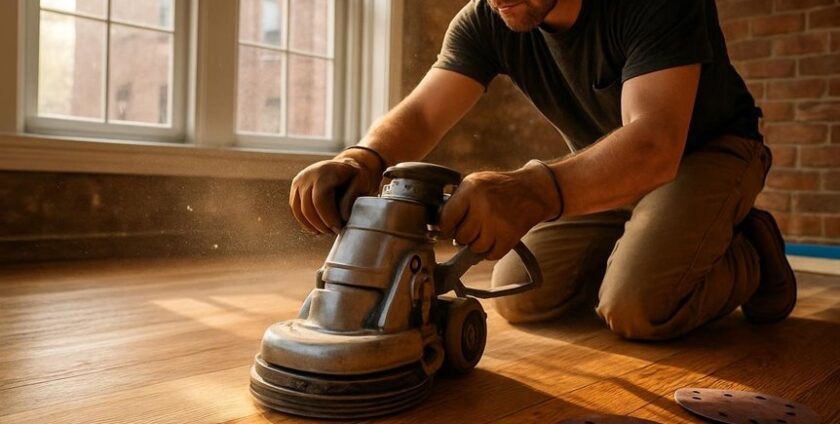
Floor resurfacing in Philadelphia presents unique challenges and opportunities. Professionals emphasize the importance of evaluating existing floor conditions before proceeding. This assessment helps identify potential issues such as moisture or structural damage. Selecting the appropriate materials and finishes is vital for both durability and aesthetic appeal. As the process unfolds, considerations specific to Philadelphia’s climate can greatly influence the outcome. Understanding these factors is essential for a successful resurfacing project.
Understanding the Benefits of Floor Resurfacing
Although many homeowners may overlook the importance of floor maintenance, understanding the benefits of floor resurfacing reveals its considerable influence on both aesthetics and functionality.
Resurfacing offers significant cost savings compared to complete floor replacement, allowing homeowners to rejuvenate their space economically. Additionally, this process enhances the visual appeal of floors, resulting in remarkable aesthetic improvement. Furthermore, premium flooring systems can significantly improve durability and longevity, making resurfacing a smart choice for maintaining your floors.
Choosing the Right Flooring Material
Selecting the appropriate flooring material is a key factor in maximizing the benefits of floor resurfacing. Among popular options, luxury vinyl stands out for its durability and water resistance, making it ideal for high-traffic areas.
It mimics the appearance of natural materials while offering ease of maintenance. Conversely, engineered hardwood provides the warmth and elegance of traditional wood, combined with enhanced stability and resistance to changes in humidity. Both materials cater to diverse aesthetic preferences and functional needs, allowing homeowners in Philadelphia PA to choose a flooring solution that aligns with their lifestyle and design aspirations. Additionally, considering sustainable flooring options can further enhance environmental benefits while maintaining style and functionality.
Assessing the Condition of Your Floors
Evaluating the condition of floors is vital before any resurfacing project.
This process involves employing visual inspection techniques to identify various types of damage and measuring floor levels to guarantee a stable foundation. Additionally, assessing the need for concrete densification can significantly enhance the durability of the floors during resurfacing.
Visual Inspection Techniques
A thorough visual inspection is vital for understanding the condition of floors before any resurfacing project.
Utilizing appropriate inspection tools, such as magnifying glasses and moisture meters, helps in identifying key visual indicators of wear and damage. Inspectors should look for signs like discoloration, cracks, and warping, which can signify underlying issues.
Observing the floor’s surface for irregularities and texture changes can also provide important insights. Proper lighting is essential during the inspection, as it highlights imperfections that may otherwise go unnoticed. This meticulous approach guarantees a comprehensive assessment, paving the way for effective resurfacing solutions tailored to the floor’s specific needs. Additionally, understanding moisture management is crucial in ensuring the longevity and performance of the resurfaced floors.
Identifying Damage Types
Many homeowners underestimate the various types of damage that floors can sustain over time. Identifying damage indicators is essential for understanding a floor’s condition. Common indicators include cracks, warping, and discoloration, which signal underlying issues that may require attention.
Additionally, water stains can indicate moisture damage, while uneven surfaces may suggest structural problems. Recognizing these signs allows homeowners to explore appropriate repair options, such as resurfacing, patching, or complete replacement.
Measuring Floor Levels
To effectively measure floor levels, homeowners should begin by utilizing a level or measuring tool to identify any inconsistencies across their surfaces.
Accurate floor measurement techniques are essential for successful resurfacing. Homeowners can follow these steps for ideal results:
- Use a laser level for precise measurements across longer distances.
- Employ a standard carpenter’s level for smaller areas or corners.
- Mark discrepancies on the floor to track areas needing attention.
Additionally, ensuring adherence to safety protocols during the resurfacing process is crucial for preventing accidents and ensuring a smooth workflow.
Preparing Your Space for Resurfacing
Before starting the resurfacing process, it is essential to clear the area of all furniture and obstacles to guarantee an unobstructed workspace. Additionally, a thorough assessment of the floor’s condition should be conducted to identify any underlying issues that may affect the resurfacing outcome. Proper preparation sets the foundation for a successful floor resurfacing project. Implementing industrial-grade solutions can significantly enhance the durability and performance of your newly resurfaced floor.
Clear the Area
Clearing the area is an essential step in preparing a space for floor resurfacing. This process guarantees floor safety and promotes effective workspace organization.
By taking the time to declutter, one can facilitate a smoother resurfacing experience.
- Remove all furniture and items from the floor.
- Confirm the space is well-ventilated to help with drying.
- Protect nearby surfaces from dust and debris.
Assess Floor Condition
How can one effectively evaluate the condition of the floor prior to resurfacing? A thorough floor assessment is essential for successful resurfacing.
Begin by inspecting the surface for signs of wear, such as scratches, dents, or discoloration. Next, conduct a damage evaluation to identify any structural issues, including cracks or loose boards.
Utilize a moisture meter to check for dampness, as excess moisture can hinder adhesion. Documenting these findings will provide a clear understanding of the necessary repairs and preparation required. Additionally, it is beneficial to follow the maintenance and cleaning recommendations to ensure the floor is properly prepped before resurfacing.
This meticulous approach guarantees that the resurfacing process results in a durable and aesthetically pleasing finish.
Tools and Equipment You’ll Need
Starting a floor resurfacing project requires a well-chosen assortment of tools and equipment to guarantee a successful outcome.
Essential flooring tools and resurfacing equipment include:
- Floor Sander: For smoothing the surface and removing old finishes.
- Scraper or Chisel: To eliminate stubborn adhesive or imperfections.
- Vacuum Cleaner: Essential for cleaning dust and debris between sanding and coating.
These items are critical in ensuring a professional finish. Proper installation techniques used for wet areas and high-traffic zones are also important to consider during resurfacing projects.
Having the right tools not only streamlines the process but also enhances the quality of the final result, making the project more manageable and efficient for any homeowner or contractor.
Step-by-Step Guide to Resurfacing Hardwood Floors
With the right tools and equipment in hand, homeowners and contractors can commence the floor resurfacing process with confidence.
First, they should thoroughly clean the hardwood floors to remove any debris.
Next, using appropriate resurfacing techniques, they can sand the floors to eliminate imperfections.
Following this, applying a quality wood finish enhances durability and aesthetics.
It is essential to allow adequate drying time between coats for ideal results.
Finally, regular floor maintenance will guarantee the longevity of the resurfaced floors.
Resurfacing Concrete Floors: What to Know
Resurfacing concrete floors offers numerous benefits, including improved aesthetics and enhanced durability.
Proper preparation is essential to guarantee a successful resurfacing process, which involves cleaning, repairing cracks, and priming the surface.
Understanding these key aspects can greatly impact the longevity and appearance of the finished floor. Moreover, using recycled materials can contribute to lower greenhouse gas emissions while enhancing the overall quality of the resurfaced floor.
Benefits of Resurfacing
The benefits of resurfacing concrete floors extend beyond mere aesthetics, offering practical solutions for both commercial and residential spaces. This process provides significant cost savings and enhances aesthetic improvement, making it a wise investment.
- Durability: Resurfaced floors resist wear and tear, extending their lifespan.
- Safety: Improved surface texture reduces slip hazards, promoting a safer environment.
- Versatility: Various finishes and colors allow customization to suit individual style preferences.
Ultimately, resurfacing not only revitalizes the appearance of concrete but also contributes to functional and financial advantages, making it an appealing choice for property owners. Additionally, advanced self-leveling polished overlays offer a seamless finish that enhances both aesthetics and functionality, making them ideal for a variety of applications.
Preparation Steps Required
Before commencing the resurfacing process, thorough preparation is essential to guarantee a successful outcome.
Effective floor preparation includes evaluating the existing surface for cracks, chips, or imperfections that may require repair. Surface cleaning is equally critical; removing dirt, grease, and debris secures ideal adhesion for the new layer. Power washing or using a suitable cleaner can enhance the surface’s condition.
Additionally, it is advisable to allow the surface to dry completely before proceeding with the resurfacing application. Proper preparation not only improves the longevity of the resurfaced floor but also enhances its overall appearance and functionality. For optimal results, consider utilizing polished and sealed concrete services, which can further enhance the aesthetic appeal and durability of your resurfaced floors.
Tile Floor Resurfacing: Techniques and Tips
Many homeowners seek effective methods for tile floor resurfacing to enhance the appearance and durability of their floors.
Understanding various resurfacing techniques can greatly influence the outcome. It is crucial to take into account the type of tile materials before proceeding.
- Cleaning: Thoroughly clean the surface to remove dirt and grime.
- Repair: Address any cracks or chips in the tiles to guarantee a smooth finish.
- Application: Use appropriate resurfacing products, such as epoxy or grout, for the specific tile material. Additionally, using epoxy resins can improve the longevity and resistance of the surface against wear and tear.
Selecting the Right Finish for Your Floors
Choosing the right finish for floors plays a significant role in both aesthetics and protection, following the process of tile resurfacing. Homeowners should consider various gloss levels, from matte to high gloss, as these choices affect light reflection and overall atmosphere.
High gloss finishes can enhance colors and make spaces appear larger, while matte options offer a more subdued look. Additionally, eco-friendly options are increasingly available, providing sustainable solutions without sacrificing quality. Selecting the appropriate finish not only protects the floors but also complements the interior design, ensuring a balanced and harmonious environment. Furthermore, incorporating high-quality flooring solutions can significantly increase the durability and appeal of your floors.
Impact of Philadelphia’s Climate on Floor Resurfacing
Although Philadelphia’s climate features a mix of hot summers and cold winters, its impact on floor resurfacing can greatly influence the durability and performance of various flooring materials.
Homeowners must consider climate considerations carefully, as seasonal impacts can lead to expansion, contraction, and wear.
- Humidity Levels: High humidity can affect adhesive performance, leading to bubbling or peeling.
- Temperature Fluctuations: Extreme temperature changes may cause certain materials to warp or crack.
- Moisture Exposure: Rain and snow can increase moisture levels, necessitating water-resistant flooring options.
Understanding these factors guarantees long-lasting, effective floor resurfacing in Philadelphia. Additionally, risk assessments should be performed to evaluate potential hazards related to flooring materials in varying climate conditions.
Hiring Professionals vs. DIY: Pros and Cons
When deciding between hiring professionals or undertaking a DIY approach for floor resurfacing, homeowners must weigh the benefits and drawbacks of each option.
Hiring professionals typically guarantees high-quality results and adherence to safety standards, although it involves higher cost considerations. Additionally, choosing experienced contractors ensures access to specialized flooring solutions that meet the demands of various environments.
Conversely, a DIY approach can save money and offer personal satisfaction, but it may lead to mistakes and extended project timelines.
Homeowners should assess their skill level, available tools, and the complexity of the project before making a decision.
Ultimately, understanding these pros and cons can guide homeowners toward the best choice for their floor resurfacing needs.
Maintaining Your Newly Resurfaced Floors
Maintaining newly resurfaced floors is essential for preserving their appearance and extending their lifespan. Implementing effective cleaning routines and protective measures can greatly enhance floor durability.
- Regularly sweep or vacuum to eliminate dirt and debris.
- Use a damp mop with a pH-neutral cleaner to avoid damage.
- Apply protective pads under furniture to prevent scratches.
Additionally, consider using high-performance epoxy flooring for added durability and resistance against spills.
Frequently Asked Questions
How Long Does Floor Resurfacing Typically Last?
Floor resurfacing typically lasts between 10 to 15 years, depending on the material and maintenance. Regular cleaning and avoiding excessive moisture can enhance floor lifespan, ensuring longevity and ideal performance throughout its use.
Can I Resurface Floors During Winter in Philadelphia?
Resurfacing floors during winter in Philadelphia is possible, but winter considerations are essential. Temperature fluctuations can affect curing times and adhesion, necessitating a controlled environment to guarantee ideal results and durability of the resurfaced floors.
What Is the Cost Range for Floor Resurfacing?
The cost range for floor resurfacing varies considerably, influenced by factors such as material type, area size, and labor. Pricing estimates typically fall between $2 and $5 per square foot, depending on these cost factors.
Are There Any Eco-Friendly Resurfacing Options Available?
Eco-friendly resurfacing options are available, utilizing sustainable materials that minimize environmental impact. Many products boast green certifications, ensuring they meet strict standards for sustainability, making them ideal choices for environmentally-conscious homeowners seeking floor renovation solutions.
How Soon Can I Walk on Resurfaced Floors?
Typically, walking time on resurfaced floors depends on the drying time of the materials used. Generally, it is advisable to wait at least 24 to 48 hours before walking to guarantee proper adhesion and durability.
Conclusion
To sum up, floor resurfacing in Philadelphia requires careful planning and execution to achieve the best results. By understanding the benefits, selecting appropriate materials, and properly preparing the space, homeowners can enhance both the durability and aesthetic appeal of their floors. Additionally, considering local climate factors and weighing the options between hiring professionals or undertaking a DIY project are essential steps. Regular maintenance will guarantee that the newly resurfaced floors remain in excellent condition for years to come.
- By: Francis Burnet
- Tags: floor resurfacing, home improvement, Philadelphia flooring
- Category: Surface Preparation & Grinding, Troubleshooting Common Flooring Issues
- 0 comment