
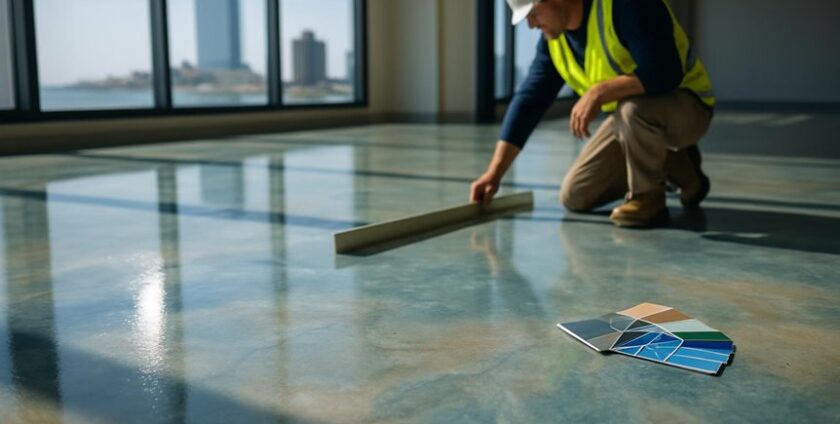
Resinous flooring has become a popular choice in Atlantic City, NJ, due to its durability and aesthetic appeal. Nevertheless, selecting the right type and ensuring proper installation are vital for long-term satisfaction. Various factors, such as space assessment and maintenance, can greatly impact performance. Understanding these elements can help property owners make informed decisions. What are the essential considerations when choosing resinous flooring for a specific environment?
Understanding Resinous Flooring Types
Although various flooring options are available, resinous flooring has gained popularity for its durability and aesthetic appeal.
Among the types of resinous flooring, epoxy coatings are widely recognized for their strength and resistance to chemicals, making them ideal for industrial and commercial settings. They create a seamless surface that is easy to clean and maintain.
In contrast, polyurethane finishes offer superior flexibility and UV resistance, making them suitable for areas exposed to sunlight.
Both options provide unique benefits that cater to different needs, ensuring that consumers can find a solution that aligns with their specific requirements and aesthetic preferences. Additionally, specialized flooring solutions such as anti-slip safety flooring enhance functionality in high-traffic zones.
Benefits of Choosing Resinous Flooring
Resinous flooring offers a range of advantages that make it an ideal choice for various settings. Its durability and longevity guarantee that it can withstand heavy foot traffic and harsh conditions, while easy maintenance solutions simplify upkeep for property owners. Additionally, versatile design options allow for customization, making it suitable for both aesthetic and functional needs. Furthermore, resinous flooring systems are known for their multi-layer resinous flooring applications that enhance both performance and appearance.
Durability and Longevity
When considering flooring options, the durability and longevity of resinous flooring stand out as significant advantages.
This type of flooring boasts exceptional resin strength, allowing it to withstand heavy foot traffic and resist wear over time. Its robust nature makes it ideal for both commercial and residential spaces, where durability is essential.
Additionally, resinous flooring offers excellent weather resistance, protecting it from moisture and temperature fluctuations, which is particularly beneficial in Atlantic City’s coastal environment.
Consequently, investing in resinous flooring guarantees a long-lasting solution that maintains its aesthetic appeal and functionality, reducing the need for frequent replacements. Furthermore, with superior chemical resistance, resinous flooring is well-suited for demanding environments, ensuring it remains in top condition even under harsh conditions.
Easy Maintenance Solutions
One of the standout benefits of choosing resinous flooring is its remarkably easy maintenance. This flooring type simplifies upkeep through effective cleaning techniques and stain prevention measures.
Establishing a maintenance schedule can enhance the longevity of the surface, ensuring it remains pristine with minimal effort. Key aspects include:
- Regular sweeping and mopping to maintain cleanliness
- Utilizing protective coatings to guard against stains and damage
- Implementing a simple, routine inspection to address any wear
- Additionally, resinous flooring provides a seamless finish, which contributes to durable and easy maintenance over time.
Versatile Design Options
A wide array of design options makes resinous flooring an appealing choice for various settings. This flooring type offers extensive color customization options, allowing property owners to select shades that complement their interior design or branding. Additionally, resinous flooring features texture variations, which can enhance aesthetic appeal and provide functional benefits, such as slip resistance. These design attributes guarantee that resinous flooring can seamlessly integrate into residential, commercial, or industrial environments. With its ability to be tailored to specific preferences, resinous flooring stands out as a versatile solution for those seeking both style and practicality in their flooring choices. Furthermore, its seamless application process can contribute to thermal performance in flooring, enhancing energy efficiency in various settings.
Assessing Your Space for Resinous Flooring
How can property owners confirm that their space is suitable for resinous flooring? Proper assessment is vital to secure ideal results.
Key considerations include:
- Accurate space measurements to determine material needs.
- Evaluation of surface conditions to identify any repairs required before installation.
- Environmental factors such as temperature and humidity levels, which may affect curing. Additionally, it’s important to ensure that the surface is water-resistant to prevent any moisture issues that could compromise the flooring’s integrity.
Factors to Consider When Selecting Resinous Flooring
When selecting resinous flooring, several key factors must be evaluated to guarantee peak performance and satisfaction.
Durability and longevity are critical for high-traffic areas, while aesthetic preferences can influence the comprehensive design and ambiance of a space.
Additionally, understanding maintenance requirements will help in making a practical choice that aligns with the intended use of the flooring. Regular safety inspections of the flooring can also ensure its integrity and longevity in a commercial environment.
Durability and Longevity
Durability and longevity are critical considerations for any facility owner contemplating resinous flooring options. The choice of resin composition greatly influences both performance and lifespan. Selecting high-quality materials can enhance resistance to wear, chemicals, and environmental impacts.
- Assess the expected foot traffic and stress levels.
- Consider the specific environmental conditions, such as moisture and temperature fluctuations.
- Evaluate the maintenance requirements and their implications for long-term cost efficiency. Additionally, incorporating mechanical concrete polishing can further improve the surface durability and aesthetic appeal of your flooring choice.
Aesthetic Preferences
Although practicality often drives the decision-making process, aesthetic preferences play a noteworthy role in selecting resinous flooring. Homeowners and business owners alike must consider color choices that align with their comprehensive design vision, as these can greatly influence the ambiance of a space.
Additionally, texture preferences are critical; smooth finishes may convey a modern look, while textured surfaces can enhance safety and comfort. The interplay between color and texture can create a cohesive and appealing environment, making it essential for individuals to thoughtfully evaluate their options.
Moreover, understanding the types of tiles can inspire creative approaches to integrating resinous flooring with traditional materials, enriching the overall aesthetic experience.
Ultimately, the right aesthetic will enhance both functionality and visual appeal in any setting.
Maintenance Requirements
Selecting resinous flooring involves careful consideration of maintenance requirements, as these can greatly impact long-term satisfaction and performance. Proper maintenance guarantees durability and aesthetics, making it essential for property owners to evaluate their needs.
- Implement preventive care to avoid costly repairs.
- Use appropriate cleaning techniques to maintain surface integrity.
- Regular inspections can identify potential issues early.
Understanding these factors will guide decision-making, assuring that the chosen flooring meets both functional and aesthetic expectations while minimizing long-term upkeep. A well-maintained resinous floor not only enhances appearance but also extends the lifespan of the flooring investment. Additionally, utilizing maintenance and cleaning recommendations can provide property owners with effective strategies to ensure optimal performance of their flooring systems.
Popular Designs and Finishes for Resinous Flooring
When considering resinous flooring, a range of popular designs and finishes can enhance both aesthetics and functionality. Current color trends include vibrant hues and muted tones, allowing for personalization in residential and commercial spaces.
Additionally, texture options such as smooth, matte, or glossy finishes provide unique tactile experiences. Decorative elements, including metallic flakes or quartz aggregates, can add visual interest and depth.
These design choices not only contribute to the overall atmosphere but also enhance durability and ease of maintenance. Ultimately, selecting the right combination of colors and textures can transform spaces, making resinous flooring a versatile option for any environment. Moreover, the incorporation of epoxy resins in the flooring system can significantly improve its mechanical properties and chemical resistance.
The Installation Process: What to Expect
As the installation process for resinous flooring unfolds, several key steps guarantee a successful outcome.
Understanding the installation timeline and the importance of prep work is essential for homeowners.
- Comprehensive surface assessment
- Thorough cleaning and repair of the substrate
- Application of resin and curing period
These steps make certain that the flooring adheres properly and lasts long. Proper preparation not only enhances the aesthetic appeal but also greatly influences durability. Additionally, utilizing a self-leveling polished overlay can further improve the overall performance and appearance of the flooring. Homeowners should be aware that a well-executed installation can prevent future issues, emphasizing the need for meticulous attention to detail throughout the process.
DIY vs. Professional Installation: Which to Choose?
When considering resinous flooring installation, individuals must evaluate their own skill level, as this can greatly impact the outcome. Additionally, the time and cost involved in a DIY project may not always align with the desired quality and long-term durability of the flooring. Weighing these factors can help determine whether a professional installation is the more prudent choice. For instance, a professional installation can ensure the use of specialized formulations for chemical resistance against automotive fluids, which is crucial for maintaining the flooring’s integrity over time.
Skill Level Assessment
Determining whether to undertake resinous flooring installation as a DIY project or to hire a professional requires careful consideration of various skill levels and project complexities.
A thorough skill level evaluation is essential for successful project preparation.
- Assess your experience with similar tasks.
- Consider the tools and materials needed.
- Evaluate the time commitment involved.
For those with adequate knowledge and experience, a DIY approach may be feasible.
Nevertheless, individuals lacking expertise should recognize that professional installation guarantees quality and longevity, avoiding potential pitfalls associated with improper techniques. Additionally, understanding common hazards in the installation process can help ensure a safer working environment.
Making the right choice greatly influences the outcome of the flooring project.
Time and Cost
Choosing between DIY installation and hiring a professional for resinous flooring involves careful consideration of both time and cost.
DIY projects may initially appear cost-effective, yet they often require extensive time estimation for preparation and application, potentially leading to delays.
Conversely, professional installation typically entails a higher upfront cost but guarantees efficiency and expertise, resulting in a quicker project completion.
A thorough budget analysis should include not only material costs but also potential expenses for tools and repairs if mistakes occur.
Ultimately, the decision should align with one’s available time, skills, and financial constraints to achieve the desired flooring outcome. Additionally, understanding the construction safety impacts can help ensure that any DIY project is completed without compromising worker health and safety.
Long-Term Durability
While the allure of DIY projects often lies in their perceived cost savings, the long-term durability of resinous flooring can greatly hinge on the quality of installation.
Professional installation typically guarantees rigorous durability testing and adherence to optimal procedures, ultimately enhancing longevity factors.
- Expertise in material selection
- Proper surface preparation
- Effective application techniques
Choosing between DIY and professional installation requires careful consideration of these durability aspects. Opting for a professional may present a higher upfront cost but can lead to a more resilient floor that withstands wear, assuring functionality and aesthetics over time. Additionally, engaging professionals ensures compliance with building codes, which is crucial for maintaining structural integrity and safety.
Cost Considerations for Resinous Flooring
Understanding the cost considerations for resinous flooring is essential for both homeowners and business owners in Atlantic City, NJ, as it directly impacts budgeting and project planning.
Key factors influencing costs include installation costs and material choices. Installation costs can vary based on the complexity of the project and the experience of the contractor.
Additionally, different material choices, such as epoxy, polyurethane, or polyaspartic, can greatly affect total expenses.
It is advisable to evaluate not only the initial costs but also the long-term benefits and durability of each material, ensuring a well-informed investment in resinous flooring. Moreover, considering the environmental considerations associated with resinous materials can contribute to a more sustainable flooring solution.
Maintenance Tips for Resinous Flooring
Maintaining resinous flooring requires a systematic approach to guarantee longevity and aesthetic appeal. Effective maintenance not only enhances the floor’s appearance but also prolongs its lifespan through proper care.
- Utilize appropriate cleaning techniques to avoid damaging the surface.
- Apply protective coatings periodically to safeguard against wear and stains.
- Regularly inspect for signs of damage or deterioration for timely intervention. Additionally, following industry standards can help ensure that maintenance practices are effective and safe.
Troubleshooting Common Issues With Resinous Flooring
Common issues with resinous flooring can arise due to various factors, including improper installation, environmental conditions, and inadequate maintenance.
Surface imperfections, such as bubbles or cracks, often result from these issues. Identifying the root cause is essential for effective remediation.
Repair techniques may include sanding down high spots, filling cracks with suitable epoxy, or reapplying the resin layer for a smooth finish.
Regular inspections and prompt attention to minor flaws can prevent more significant problems.
Understanding these common challenges guarantees the longevity and aesthetic appeal of resinous flooring, ultimately enhancing its performance in residential and commercial settings.
Eco-Friendly Options in Resinous Flooring
Opting for eco-friendly options not only promotes sustainability but also adds value to properties. Many resinous flooring systems now utilize sustainable materials and boast green certifications, making them a responsible choice for conscientious consumers.
- Reduces environmental impact
- Provides healthier indoor air quality
- Enhances aesthetic appeal with natural options. Additionally, incorporating C&D materials recycling can further enhance the sustainability of the flooring process.
Enhancing Your Space With Resinous Flooring Accessories
Incorporating eco-friendly options in resinous flooring sets the stage for further enhancements that can boost the complete aesthetic and functionality of a space.
Colorful additives can be mixed into resin formulations, allowing for custom hues that complement any design theme. Additionally, decorative coatings can improve the surface, providing texture and visual interest.
These accessories not only enhance the beauty of the flooring but also offer protective qualities, increasing durability. By selecting the right combinations of colorful additives and decorative coatings, property owners can create a unique and inviting atmosphere, making their spaces both stylish and functional. Furthermore, choosing sustainable materials aligns with sustainable lighting solutions that promote environmental responsibility in architectural design.
Frequently Asked Questions
How Long Does Resinous Flooring Typically Last?
Resinous flooring typically boasts a lifespan of 10 to 20 years, depending on factors such as installation quality and maintenance frequency. Regular upkeep can greatly extend its durability and aesthetic appeal over time.
Is Resinous Flooring Safe for Children and Pets?
Resinous flooring is generally safe for children and pets when properly installed and maintained. It is non-toxic and durable, but ensuring child safety and pet safety involves choosing high-quality materials and regular inspections for damage.
Can Resinous Flooring Be Installed Outdoors?
Resinous flooring can certainly be installed outdoors, provided it possesses outdoor durability and weather resistance. These features guarantee the flooring withstands various environmental conditions, making it suitable for patios, walkways, and other exterior applications.
What Are the Best Tools for DIY Resinous Flooring?
The best tools for DIY resinous flooring include a resin mixing kit, a trowel for application, and equipment for surface preparation like grinders and vacuums, ensuring a smooth and durable finish for the project.
How Does Humidity Affect Resinous Flooring Installation?
Humidity levels greatly influence resinous flooring installation. High humidity can prolong curing times, while low humidity may lead to premature hardening. Consequently, ideal installation timing should consider local humidity conditions to guarantee successful results.
Conclusion
To sum up, resinous flooring presents a durable and aesthetically pleasing option for spaces in Atlantic City, NJ. By understanding the various types, evaluating specific needs, and prioritizing professional installation, property owners can guarantee a successful flooring solution. Regular maintenance and attention to design choices further enhance longevity and appeal. With eco-friendly options available, resinous flooring not only meets functional demands but also aligns with sustainable practices, making it a smart investment for any environment.
- By: Francis Burnet
- Tags: Atlantic City, flooring tips, resinous flooring
- Category: Epoxy Flooring, Uncategorized
- 0 comment