
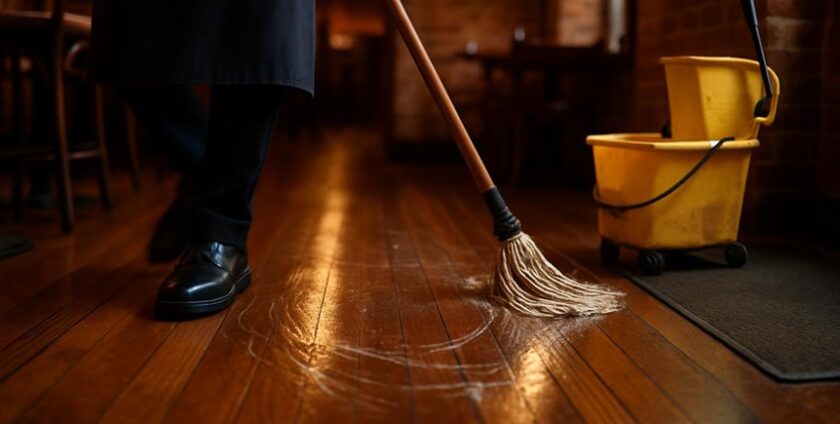
Flooring maintenance is vital for restaurants in Philadelphia. High foot traffic can lead to wear and tear, making regular upkeep essential. Establishing a routine for cleaning and addressing spills promptly can enhance safety and longevity. Additionally, staff training on proper care is necessary to maintain standards. Nevertheless, there are further considerations that can greatly impact the general condition of restaurant floors. Understanding these aspects can lead to more effective maintenance strategies.
Assessing Your Flooring Needs
How can a restaurant owner determine the best flooring options for their establishment? A thorough flooring assessment is essential, beginning with a detailed space evaluation.
This process involves considering the layout, foot traffic patterns, and specific areas such as kitchens, dining, and restrooms. Owners should also evaluate the lighting, ambiance, and comprehensive theme of their restaurant, as these factors influence both aesthetics and functionality.
Additionally, understanding the maintenance requirements and durability of potential flooring types can help in making informed decisions. This careful consideration guarantees a harmonious balance between practicality and design, ultimately enhancing the dining experience for customers. Furthermore, consulting with professionals who specialize in comprehensive flooring solutions can provide valuable insights tailored to the restaurant’s unique needs.
Choosing the Right Flooring Material
Choosing the right flooring material is critical for restaurants, as it directly impacts both durability and safety.
Materials that offer high durability and longevity can withstand heavy foot traffic and frequent spills, ensuring a long-lasting investment.
Additionally, selecting flooring with slip resistance features is essential to prevent accidents and maintain a safe environment for both staff and customers. Incorporating safety standards into your flooring choices further enhances protection against slips and falls.
Durability and Longevity
While restaurant owners often prioritize aesthetic appeal when selecting flooring, the durability and longevity of the material are equally essential for maintaining a functional dining environment.
A flooring material with a long lifespan can considerably reduce replacement costs and disruptions to service. Options such as vinyl, tile, and hardwood offer varying degrees of surface resilience, making them suitable for high-traffic areas.
Choosing the right flooring not only enhances the restaurant’s appearance but also withstands the daily wear and tear from heavy foot traffic and spills. Investing in durable flooring, such as epoxy resinous flooring, guarantees a lasting, attractive space that meets the demands of a bustling restaurant.
Slip Resistance Features
Slip resistance is an important factor when selecting flooring materials for restaurants, as it directly impacts the safety of both patrons and staff.
Choosing appropriate slip resistance materials guarantees compliance with safety standards, reducing the risk of accidents caused by slips and falls. Various options, such as textured vinyl, rubber, and treated wood, can provide the necessary grip.
Additionally, the flooring’s maintenance functions as a significant factor in preserving its slip-resistant qualities. Regular cleaning and inspections are essential to maintaining effectiveness, helping restaurants create a safe environment while enhancing overall guest experiences. Prioritizing anti-slip safety flooring ultimately contributes to a restaurant’s success.
Regular Cleaning Routines
Regular cleaning routines are vital for maintaining the longevity and appearance of restaurant flooring, as they help prevent the buildup of dirt, grease, and stains.
Establishing a consistent schedule guarantees that flooring products are preserved and remain visually appealing.
Utilizing appropriate cleaning tools, such as mops, brooms, and vacuum cleaners, is essential for effectively removing debris and contaminants.
Additionally, selecting suitable cleaning agents designed for specific flooring materials can enhance the cleaning process while protecting the surface. Incorporating maintenance and cleaning recommendations into your routine can further optimize the longevity of your flooring systems.
Dealing With Spills Promptly
Addressing spills swiftly is vital for maintaining the safety and appearance of restaurant flooring. Effective spill containment strategies should be implemented immediately to prevent slips and falls, which can lead to serious injuries.
Staff must be trained to act quickly, using appropriate materials to soak up the spill and prevent further damage. For stain removal, it is important to use the correct cleaning agents suitable for the flooring type, as some substances may cause discoloration. Regular monitoring of high-traffic areas can help identify potential spill risks, ensuring that the flooring remains in prime condition for both employees and patrons. Additionally, choosing appropriate flooring materials that are resilient can further mitigate damage from spills and enhance overall maintenance.
Implementing a Deep Cleaning Schedule
Implementing a deep cleaning schedule is crucial for long-term flooring care. Establishing scheduling consistency guarantees that cleaning tasks are performed regularly, preventing the buildup of dirt and grime.
Various deep cleaning techniques, such as steam cleaning or using specialized floor cleaners, can be employed based on the flooring type. Training staff on these techniques and adhering to the schedule will enhance overall cleanliness and prolong the lifespan of the flooring. Incorporating high-quality flooring solutions into your restaurant can further improve the maintenance and hygiene of your dining environment.
A well-executed deep cleaning routine is essential for maintaining a hygienic dining environment.
Inspecting for Damage and Wear
Inspecting for damage and wear is an essential aspect of flooring maintenance in restaurants. Regular floor inspection techniques should be employed to identify any issues promptly.
Restaurant owners and managers can look for wear indicators such as scratches, dents, or discoloration, which may suggest the need for repairs or replacement. Additionally, checking for loose tiles or warped boards can prevent further damage and guarantee safety for patrons and staff. Implementing regular hazard assessments can help identify potential safety risks associated with flooring issues.
Establishing a routine inspection schedule allows for proactive maintenance, minimizing costly repairs and enhancing the general dining experience. Consistent attention to flooring can greatly extend its lifespan and maintain aesthetic appeal.
Using Non-Slip Coatings
A considerable number of restaurant accidents are caused by slippery floors, making the application of non-slip coatings a critical consideration for maintaining safety.
These coatings offer numerous non-slip benefits, including enhanced traction that greatly reduces the risk of slips and falls.
When considering coating application, restaurant owners should focus on surfaces frequently exposed to spills or moisture.
Properly applied non-slip coatings can be a cost-effective solution to improve safety and compliance with health regulations.
Regular inspections and maintenance of these coatings will guarantee their longevity and effectiveness, providing a safer environment for both employees and customers alike.
Maintaining Grout and Seals
Maintaining grout and seals is essential for preserving the integrity and appearance of flooring in restaurants. Proper upkeep can prevent damage and enhance cleanliness.
- Perform regular grout cleaning to remove stains and dirt.
- Inspect grout lines for cracks or deterioration.
- Apply sealants to protect grout from moisture and stains.
- Schedule professional cleaning periodically for deep maintenance.
- Educate staff on the importance of prompt spill cleanup to minimize grout wear.
- Consider utilizing proper installation techniques to ensure your flooring is better equipped to handle moisture and stains.
Protecting Floors From Furniture Damage
Furniture can considerably impact the durability and appearance of restaurant flooring if not properly managed. To prevent damage, using furniture pads under chairs and tables is essential. These pads reduce friction and protect the surface from scratches and dents.
Additionally, protective mats can be placed in high-traffic areas to absorb impact and minimize wear. Regular inspections of furniture for sharp edges or damages can further enhance floor protection. Implementing durable materials like those used in high-end commercial environments can also significantly extend the life of your flooring.
Training Staff on Flooring Care
Training staff on flooring care is essential for maintaining a restaurant’s aesthetic and safety. Regular training sessions guarantee that employees understand their daily maintenance responsibilities, which can greatly extend the life of the flooring. Additionally, using a seamless, antimicrobial surface can help promote healthier indoor environments within the restaurant.
Importance of Regular Training
Effective flooring care is essential for the overall hygiene and aesthetic appeal of a restaurant, making regular staff training a critical component of operations.
Implementing staff workshops and ongoing education guarantees that employees are well-equipped to maintain flooring standards.
- Enhances knowledge of cleaning techniques
- Reduces risk of damage to flooring
- Increases staff confidence in maintenance tasks
- Promotes teamwork and accountability
- Supports general restaurant image
- Regular training also ensures compliance with safety protocols and government regulations, which is vital for maintaining a safe working environment.
Daily Maintenance Responsibilities
Proper daily maintenance of restaurant flooring is essential for maintaining a clean and inviting atmosphere.
Training staff on flooring care is vital in ensuring that daily cleaning tasks are performed effectively. Employees should be made aware of their responsibilities, which include sweeping, mopping, and inspecting for any damage or spills.
Establishing a routine helps staff understand the importance of maintaining the flooring, as well as the appropriate cleaning products and techniques to use. Additionally, understanding the benefits of polished concrete surfaces can help staff appreciate the value of their maintenance efforts.
Regular reminders and ongoing training sessions can reinforce these responsibilities, ultimately contributing to a safe and hygienic environment that enhances the complete dining experience for patrons.
Seasonal Maintenance Tips
As the seasons change, so too do the demands on restaurant flooring, necessitating a tailored approach to maintenance.
Weather effects can lead to wear and tear, making it essential for restaurant managers in Philadelphia to adapt their maintenance strategies throughout the year.
Key seasonal maintenance tips include:
- Inspecting flooring for damage after winter’s freeze-thaw cycles.
- Sweeping and mopping more frequently during spring’s rain.
- Applying anti-slip treatments before summer crowds arrive.
- Regularly checking for moisture during fall’s humidity fluctuations.
- Ensuring thorough cleaning to remove salt and debris after winter months.
Implementing these strategies will help maintain safe and attractive flooring all year round.
Hiring Professional Cleaning Services
Maintaining restaurant flooring goes beyond seasonal upkeep; it often requires the expertise of professional cleaning services. The right service selection can greatly impact the longevity and appearance of flooring materials.
Choosing a reputable cleaning company guarantees that staff are trained in proper techniques and utilize appropriate products for various surfaces. Additionally, establishing a consistent cleaning frequency helps mitigate grime and stains, enhancing both safety and aesthetics. Furthermore, restaurant owners should be aware that falls account for over 36.4% of construction fatalities, emphasizing the importance of maintaining a safe and clean environment for both employees and customers.
Restaurant owners should assess their specific needs, consider customer foot traffic, and seek tailored solutions that maintain hygiene standards while preserving the integrity of their flooring investment.
Professional services can ultimately save time and reduce long-term costs.
Frequently Asked Questions
How Often Should I Replace My Restaurant Flooring?
Restaurant flooring should typically be replaced every 5 to 10 years, depending on its lifespan and wear. Understanding replacement costs is essential for budgeting, ensuring the establishment remains inviting and safe for patrons.
What Are the Best Flooring Options for High-Traffic Areas?
For high-traffic areas, vinyl tiles and rubber flooring are excellent options. Vinyl tiles offer durability and design versatility, while rubber flooring provides slip resistance and cushioning, making both ideal choices for busy environments like restaurants.
Can I Use Regular Household Cleaners on Restaurant Floors?
Using regular household cleaners on restaurant floors may not guarantee ideal kitchen cleanliness. It’s crucial to take into account surface compatibility, as certain cleaners can damage specific floor materials and compromise hygiene standards in high-traffic areas.
How Can I Prevent Scratches on My Flooring?
To prevent scratches, implementing scratch prevention strategies is essential. Using protective mats, regular cleaning, and proper furniture pads enhances flooring protection, ensuring longevity while maintaining the aesthetic appeal of the surfaces in high-traffic areas.
What Are the Signs I Need to Replace My Flooring?
Signs indicating the need for flooring replacement include visible wear, significant scratches, water damage, or uneven surfaces. Recognizing these damage indicators early can help assess the flooring lifespan and determine the necessity for replacement.
Conclusion
To summarize, effective flooring maintenance is essential for Philadelphia restaurants to guarantee safety and longevity amidst heavy foot traffic. By evaluating flooring needs, choosing appropriate materials, maintaining regular cleaning routines, and addressing spills promptly, restaurant owners can create a welcoming environment. Additionally, implementing deep cleaning schedules, protecting floors from furniture damage, training staff, and considering professional services will further enhance the durability and hygiene of restaurant flooring, ultimately contributing to a positive dining experience for customers.
- By: Francis Burnet
- Tags: floor maintenance, Philadelphia dining, restaurant safety
- Category: Concrete Floor Maintenance Tips, Uncategorized
- 0 comment