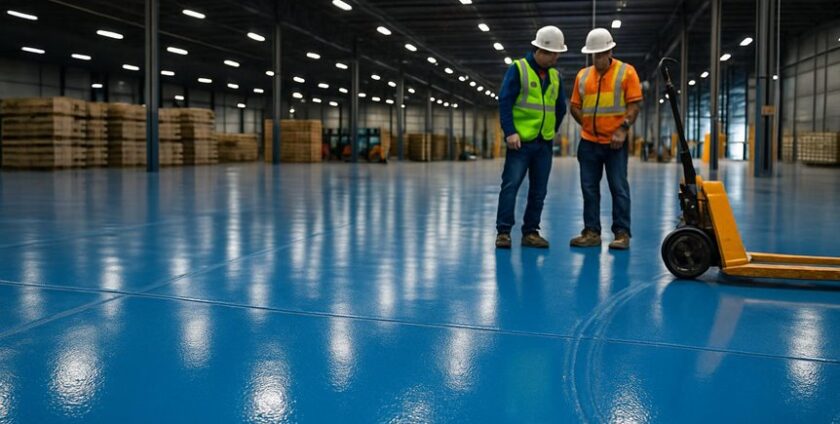
Industrial floor coatings play an essential role in enhancing the performance and durability of flooring in various sectors. In Philadelphia, businesses face unique challenges that necessitate careful selection of coating types. Options like epoxy, polyurethane, and polyaspartic each offer distinct advantages. Understanding these coatings’ properties and benefits is essential for making informed decisions. The following sections will explore the specifics of each type and the factors influencing selection, providing valuable insights for industry professionals.
Understanding Industrial Floor Coatings
Although many industries rely on durable flooring solutions, understanding industrial floor coatings is essential for ensuring ideal performance and longevity.
These coatings are evaluated using specific coating performance metrics, which include adhesion, abrasion resistance, and chemical resistance. Each metric provides valuable insights into how well a coating will withstand the rigors of industrial environments.
Additionally, application challenges such as surface preparation and environmental conditions can greatly impact the final outcome. Proper knowledge of these factors allows businesses to make informed decisions, ultimately leading to enhanced durability and reduced maintenance costs, thereby improving their operational efficiency in demanding settings. Moreover, utilizing industrial-grade solutions can provide superior chemical resistance to further enhance the longevity of the flooring.
Types of Floor Coatings Available
Industrial floor coatings come in numerous types, each designed to meet specific performance requirements and environmental conditions.
Among the most sought-after options are:
- Epoxy Types: Known for their durability and chemical resistance, epoxy coatings are ideal for heavy-duty applications. These coatings are often based on bisphenol-based epoxy resins, which contribute to their superior mechanical properties.
- Polyurethane Options: These coatings offer excellent flexibility and UV resistance, making them suitable for various environments.
- Polyaspartic Coatings: Fast-curing and highly resistant to abrasion, these coatings are perfect for quick turnaround projects.
Understanding these options enables businesses to select the most appropriate floor coating, ensuring longevity and peak performance in their industrial spaces.
Benefits of Epoxy Coatings
Epoxy coatings offer significant advantages for industrial flooring, primarily due to their remarkable durability and longevity.
They also exhibit superior chemical resistance, making them suitable for environments exposed to harsh substances.
Additionally, epoxy coatings come in a range of aesthetic options, allowing businesses to enhance their visual appeal while maintaining functionality. Moreover, their superior chemical resistance makes them an excellent choice for demanding environments such as biopharma and life sciences.
Durability and Longevity
A remarkable feature of epoxy coatings is their exceptional durability and longevity, making them an ideal choice for industrial applications. Performance testing has consistently shown that these coatings can withstand heavy foot and vehicle traffic, ensuring a prolonged coating lifespan.
- Resistant to abrasions and impacts
- Minimal maintenance requirements
- Cost-effective over time
These benefits highlight why epoxy coatings are favored in warehouses, manufacturing plants, and other industrial settings. Additionally, the specialized formulation of epoxy flooring can offer chemical resistance against automotive fluids, further enhancing their suitability for diverse environments.
With proper installation and care, epoxy floors can endure years of use, providing reliable performance and aesthetic appeal, essential for maintaining operational efficiency and safety.
Chemical Resistance Properties
With regard to protecting flooring in environments exposed to harsh chemicals, epoxy coatings stand out for their remarkable chemical resistance properties.
These coatings effectively shield surfaces from various chemical exposures, including acids, solvents, and corrosive substances. Their inherent acid resistance makes them particularly valuable in industries such as manufacturing and food processing, where spills and chemical interactions are commonplace.
This durability not only extends the life of the flooring but also minimizes maintenance costs associated with damage from chemical interactions.
Consequently, epoxy coatings present a reliable solution for facilities seeking to maintain operational integrity in challenging environments. Additionally, incorporating polished concrete services can further enhance the floor’s durability and aesthetic appeal.
Aesthetic Appeal Options
How can aesthetics enhance the total functionality of industrial spaces? The implementation of epoxy coatings offers various aesthetic appeal options that enrich both appearance and utility.
Enhanced aesthetics can lead to improved workplace morale and productivity. Key advantages include:
- Color Choices: A wide array of color options allows businesses to align floor designs with branding, creating a cohesive look.
- Design Patterns: Customizable patterns can delineate work areas, improving organization and safety.
- Reflective Surfaces: Epoxy’s glossy finish can enhance lighting, reducing energy costs and increasing visibility.
Ultimately, these aesthetic enhancements contribute to a more efficient and attractive work environment. Additionally, safety and protective flooring options can be integrated to further enhance the functionality and safety of the workspace.
Advantages of Polyurethane Coatings
While many flooring options exist, polyurethane coatings stand out due to their exceptional durability and versatility.
These coatings offer significant polyurethane benefits, including resistance to chemicals, abrasions, and UV light, making them ideal for industrial environments. Their flexible nature allows for easy application techniques, which can be tailored to specific surface requirements, ensuring a seamless finish.
Additionally, polyurethane coatings maintain their aesthetic appeal over time, reducing the need for frequent maintenance or replacement. This combination of strength and adaptability makes polyurethane an excellent choice for businesses seeking long-lasting, reliable flooring solutions that can withstand the demands of heavy use. Moreover, incorporating self-leveling polished overlays can further enhance the overall visual appeal and functionality of industrial spaces.
Factors to Consider When Choosing a Coating
Selecting the right coating for industrial flooring involves several key considerations that can greatly impact performance and longevity.
Decision-makers should evaluate the following factors:
- Application Conditions: Consider the environment where the coating will be applied, including temperature and humidity levels.
- Surface Compatibility: Verify the coating adheres well to the existing substrate to prevent peeling or delamination.
- Intended Use: Assess the type of traffic, chemical exposure, and other specific demands the flooring will face. Additionally, understanding moisture management is crucial to ensure the longevity of the flooring system in various environments.
Durability and Longevity of Floor Coatings
The durability and longevity of industrial floor coatings are critical factors that influence their general effectiveness and cost-efficiency. A well-chosen floor coating can considerably extend its lifespan, thereby reducing the need for frequent replacements.
Factors such as material composition, exposure to heavy machinery, and environmental conditions play crucial roles in determining this lifespan. Additionally, understanding maintenance frequency is essential; coatings that require less frequent upkeep often prove more economical over time.
Consequently, selecting the right floor coating not only guarantees durability but also contributes to the comprehensive operational efficiency of an industrial facility in Philadelphia, PA. Moreover, opting for multi-layer resinous flooring can enhance the durability and overall performance of the coating in demanding environments.
Maintenance Requirements for Different Coatings
Maintaining industrial floor coatings requires careful consideration of the specific needs associated with each type of coating. Effective coating upkeep is vital for longevity and performance.
Different coatings necessitate unique maintenance schedules to optimize their durability, including:
- Regular cleaning to prevent buildup of contaminants
- Periodic inspections to identify wear and damage
- Timely repairs to address surface imperfections
Understanding these requirements is important for facility managers. Proper maintenance not only extends the life of the coating but also guarantees safety and functionality within the industrial space. Adhering to prescribed maintenance schedules can lead to significant long-term cost savings. Additionally, implementing regular training on maintenance practices can enhance overall safety compliance within the facility.
Safety Features of Industrial Floor Coatings
Industrial floor coatings are designed with critical safety features to enhance workplace safety. Key technologies include slip resistance, which minimizes the risk of falls, and chemical spill protection, safeguarding surfaces from hazardous materials. These features are essential for maintaining a safe and efficient industrial environment. Implementing proper safety measures, such as preventing falls, is crucial for reducing workplace injuries and fatalities in industrial settings.
Slip Resistance Technologies
While many factors contribute to workplace safety, slip resistance technologies in industrial floor coatings play an essential role in preventing accidents. The integration of advanced slip resistant materials and innovative surface textures enhances traction, greatly reducing the risk of slips and falls.
Key features include:
- Micro-textured surfaces that increase friction even in wet conditions
- Aggregate additives that provide additional grip without compromising aesthetics
- Customizable finishes that cater to specific operational needs and safety standards
Implementing these technologies not only promotes a safer work environment but also supports compliance with safety regulations, ensuring both employee well-being and operational efficiency. Additionally, utilizing a Construction Checklist can help in identifying potential risks associated with flooring choices and installation processes.
Chemical Spill Protection
In environments where chemicals are handled, the protective qualities of industrial floor coatings become essential.
These coatings are designed to enhance chemical spill response by providing a barrier that resists degradation from various hazardous materials. Effective hazardous material containment is vital, as spills can pose significant risks to both personnel and property.
High-quality industrial coatings offer features such as chemical resistance, durability, and easy maintenance, facilitating swift cleanup and minimizing damage.
Cost Comparison of Various Coating Options
Choosing the right coating for industrial floors involves careful consideration of costs associated with various options.
The price factors impacting coating selection include:
- Material Type: Different materials, such as epoxy or polyurethane, vary greatly in cost and performance.
- Coating Lifespan: Longer-lasting coatings may require a higher initial investment but can save money over time.
- Maintenance Requirements: Some coatings demand more frequent upkeep, affecting total expenses.
Understanding these elements allows businesses to make informed decisions that balance upfront costs with long-term benefits, ultimately ensuring a sustainable and effective flooring solution. Additionally, considering the material properties of each coating can further enhance the selection process by ensuring the chosen product meets specific performance needs.
Application Process for Floor Coatings
The application process for industrial floor coatings involves several critical steps to guarantee ideal adhesion and durability.
It begins with thorough surface preparation, followed by the careful application of the coating using specific techniques tailored to the material and environment. Additionally, understanding the properties of ceramic materials can enhance the performance and longevity of the coatings used. Finally, the curing and finishing process is essential for achieving a resilient and long-lasting floor.
Surface Preparation Steps
Before applying industrial floor coatings, meticulous surface preparation is vital to guarantee perfect adhesion and durability.
Effective surface preparation involves several key steps, including:
- Substrate assessment techniques to evaluate the floor’s condition and suitability for coating
- Surface cleaning methods to remove contaminants like dust, grease, and old coatings
- Repairing imperfections such as cracks or surface irregularities to create a uniform base
These foundational steps ensure that the floor coating adheres properly and performs effectively over time, greatly extending the life of the flooring system. Additionally, using epoxy resinous flooring can enhance the overall durability and aesthetic appeal of the finished surface.
Proper preparation is essential for achieving the desired results in industrial environments.
Coating Application Techniques
Following thorough surface preparation, the application of industrial floor coatings requires specific techniques to guarantee peak performance and longevity.
Two primary methods are commonly employed: spray application and roller application. Spray application allows for even coverage and quick application across large areas, making it suitable for expansive spaces. Nevertheless, it demands skill to avoid overspray and ascertain uniformity.
Conversely, roller application provides greater control and is ideal for smaller or intricate areas. Each method has distinct advantages, and the choice depends on factors such as the environment, desired finish, and the specific coating product used to achieve the best results.
Curing and Finishing Process
Achieving ideal performance in industrial floor coatings hinges on a meticulous curing and finishing process. Proper implementation of curing techniques guarantees the longevity and durability of the coating.
Key considerations include:
- Temperature and humidity control during the curing phase
- Selection of finishing options, such as slip-resistant surfaces or high-gloss finishes
- Adequate curing time, allowing the coating to bond effectively
These elements play a critical role in maximizing the performance of the floor coating.
Understanding the nuances of curing and finishing will aid facility managers in making informed decisions to enhance the resilience and functionality of their industrial floors.
Common Industries Using Industrial Floor Coatings
Industrial floor coatings play an essential role in various sectors, providing durable and protective surfaces tailored to meet specific operational needs.
Manufacturing facilities frequently utilize these coatings to withstand heavy machinery impacts and chemical exposure, ensuring long-lasting performance.
Similarly, the food processing industry demands hygienic, slip-resistant surfaces that can endure rigorous cleaning protocols.
These coatings not only enhance safety but also contribute to compliance with health regulations. Additionally, the use of sustainable flooring options in industrial settings is becoming increasingly popular, as they support ecological balance and conservation efforts.
Environmental Considerations in Floor Coating Selection
Selecting industrial floor coatings requires careful evaluation of sustainability practices and compliance with VOC regulations.
Factors to take into account include:
- Material Composition: Opt for coatings made from sustainable materials that minimize environmental impact.
- Emission Standards: Choose products that adhere to stringent VOC regulations, ensuring lower air pollution levels.
- Durability and Longevity: Select coatings that are long-lasting, reducing the need for frequent replacements and associated waste.
Additionally, staying informed about developments like low-carbon concrete can further enhance sustainability efforts in construction and flooring solutions.
Frequently Asked Questions
How Long Does the Installation Process Typically Take?
The installation duration for industrial floor coatings typically ranges from one to three days, depending on various factors such as surface preparation and coating type, influencing the comprehensive project timeline and completion efficiency.
Can Floor Coatings Be Applied in Cold Weather?
Floor coatings can be applied in cold weather, but temperature considerations are essential. Cold weather challenges may affect curing times and adhesion, necessitating specialized products or techniques to guarantee peak performance and durability under lower temperatures.
What Preparations Are Needed Before Coating Application?
Before coating application, proper surface cleaning is essential to remove contaminants. Additionally, moisture testing should be conducted to guarantee the substrate’s suitability, preventing complications that could affect the adhesion and longevity of the coating.
Are There Any Odor Concerns During Application?
During application, odor concerns may arise; consequently, implementing odor mitigation techniques and effective ventilation strategies is essential. Proper air circulation can greatly reduce unpleasant smells, ensuring a safer and more comfortable environment for those present.
How Do I Know if My Floor Needs Recoating?
To determine if a floor needs recoating, conduct a floor inspection evaluating wear and damage. Consider the coating lifespan; if significant deterioration is evident before the expected duration, recoating is advisable to maintain functionality and appearance.
Conclusion
To summarize, selecting the appropriate industrial floor coating in Philadelphia, PA, is vital for optimizing performance and ensuring longevity in various operational environments. By understanding the unique benefits of epoxy, polyurethane, and polyaspartic coatings, along with essential factors such as application conditions and maintenance, businesses can make informed decisions that align with their specific needs. Ultimately, investing in durable flooring solutions not only enhances safety and efficiency but also contributes to long-term cost savings and operational success.
- By: Francis Burnet
- Tags: floor performance, industrial coatings, Philadelphia business
- Category: Industrial & Warehouse Floors
- 0 comment