
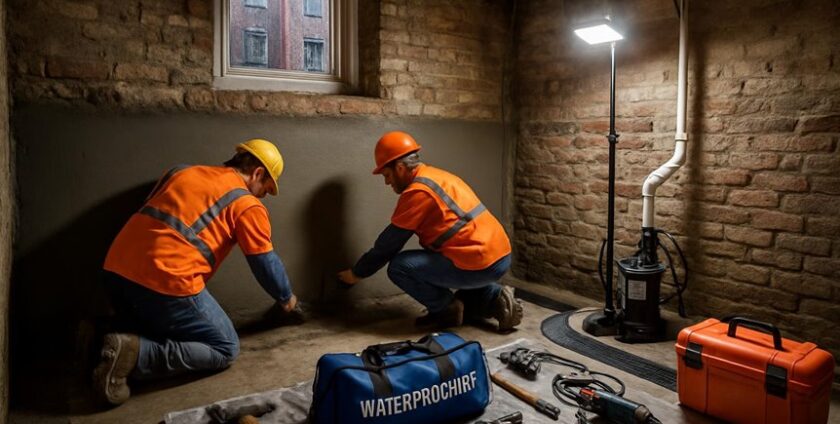
Waterproofing systems are essential for homeowners in Staten Island, NY, where heavy rainfall and flooding can lead to significant moisture-related problems. Understanding the various waterproofing solutions available is critical for protecting property from water damage. This guide will explore the common causes of water damage, effective interior and exterior solutions, and maintenance tips. Homeowners must consider these factors to guarantee their investment remains secure and comfortable. What steps can be taken to enhance protection against water intrusion?
Understanding Waterproofing: What You Need to Know
When considering waterproofing solutions, it is essential to understand the fundamental principles that govern this critical aspect of building maintenance.
Effective waterproofing benefits include enhanced structural integrity and prolonged lifespan of buildings by preventing moisture intrusion.
Moisture control is crucial in mitigating the risks associated with dampness, such as mold growth and material deterioration.
Various methods, such as membranes, sealants, and drainage systems, can be employed to achieve ideal waterproofing results.
Understanding these principles allows homeowners and builders in Staten Island to make informed decisions, ensuring their properties remain safe and dry, ultimately preserving their value and comfort. Additionally, effective moisture management is key to creating energy-efficient buildings that stand the test of time.
Common Causes of Water Damage in Staten Island Homes
Water damage in Staten Island homes can arise from an assortment of sources, often exacerbated by the region’s unique climate and environmental conditions.
Homeowners should be aware of the following common causes:
- Heavy rainfall and flooding, increasing flood risks
- High humidity levels contributing to mold growth
- Poor drainage systems leading to water accumulation
- Broken or leaky plumbing fixtures
- Aging roofs that allow water infiltration
Understanding these factors is essential for homeowners to take preventative measures and mitigate potential water damage.
Awareness can lead to timely interventions, preserving the integrity of the home and safeguarding personal belongings.
Signs Your Home Needs Waterproofing
Homeowners should be vigilant for signs that indicate the need for waterproofing, as these issues can lead to significant damage.
Water stains on walls, persistent musty odors, and visible cracks in the foundation are critical indicators of moisture problems.
Recognizing these signs early can help prevent costly repairs and protect the integrity of the home.
Water Stains on Walls
Signs of moisture intrusion can manifest in various ways, with water stains on walls being a particularly telling indicator that a property may require waterproofing.
These stains often signify underlying issues that could lead to more significant damage if not addressed promptly. Homeowners should prioritize water stain prevention and consider professional wall repair when these signs appear.
- Discoloration around windows or doors
- Peeling paint or wallpaper
- Soft or crumbling drywall
- Mold or mildew growth
- Bubble formation in paint or plaster
Recognizing these signs early can help mitigate damage and preserve property integrity.
Musty Odors Present
Musty odors often permeate a property when moisture has become trapped within walls, floors, or other areas, indicating potential waterproofing issues.
These musty smells are not just unpleasant; they can signal the presence of mold growth, which thrives in damp environments.
Homeowners should take these odors seriously, as they may compromise indoor air quality and pose health risks.
Identifying the source of moisture is essential to addressing the problem effectively.
Implementing a reliable waterproofing system can mitigate these issues, ensuring a healthier living environment and preventing further damage to the property.
Early intervention is key to maintaining a safe home.
Cracked Foundation Issues
Cracks in a foundation can serve as a clear indicator that a home requires waterproofing attention. Ignoring these signs can lead to serious issues affecting both structural integrity and safety.
Homeowners should be vigilant for the following symptoms:
- Horizontal or vertical cracks in the foundation
- Water pooling near the foundation
- Difficulty closing windows and doors
- Cracked or bowing walls
- Increased humidity levels in the basement
Addressing cracked foundation issues promptly through professional foundation repair is crucial to maintain the home’s safety and longevity.
Timely intervention can prevent costly damages and guarantee the structural integrity of the property.
Interior Waterproofing Solutions
An assortment of interior waterproofing solutions are available to homeowners in Staten Island, NY, seeking to protect their properties from water damage.
Basement sealing is an essential method that involves applying specialized coatings to walls and floors, effectively preventing moisture infiltration.
Additionally, the installation of moisture barriers can further enhance protection by creating a shield against dampness. These barriers can be strategically placed in vulnerable areas to mitigate risks associated with humidity and water seepage.
Exterior Waterproofing Techniques
Exterior waterproofing techniques are essential for protecting a property from water intrusion and ensuring long-term structural integrity.
Key methods include the installation of effective drainage systems, the application of waterproof membranes, and the implementation of landscape grading techniques to direct water away from foundations.
Each approach plays a critical role in minimizing moisture-related issues in Staten Island’s unique climate.
Drainage System Installation
While homeowners in Staten Island may prioritize aesthetics, the importance of a well-installed drainage system is difficult to overemphasize regarding effective waterproofing.
A properly designed drainage system mitigates water accumulation, protecting foundations and basements.
Key considerations include:
- Selection of appropriate drainage materials
- Integration of effective drainage design
- Adequate slope for water diversion
- Regular maintenance to guarantee functionality
- Installation of downspouts and gutters to channel runoff
Waterproof Membrane Application
Applying a waterproof membrane is a critical step in safeguarding structures against water intrusion in Staten Island. Various membrane types, including liquid-applied, sheet, and spray-on membranes, offer unique benefits depending on specific project requirements.
Proper installation techniques are essential to guarantee effectiveness; surfaces must be clean and dry, and overlaps should be adequately sealed to prevent leaks. Additionally, attention to detail during application, such as avoiding air bubbles and guaranteeing uniform thickness, greatly enhances the membrane’s performance.
Landscape Grading Techniques
Effective landscape grading techniques play an essential role in exterior waterproofing by directing water away from a structure’s foundation. Proper grading involves understanding drainage patterns and soil types to enhance efficiency.
Key techniques include:
- Establishing a slope away from the foundation
- Creating swales or ditches for water diversion
- Utilizing retaining walls to control runoff
- Implementing French drains for excess water management
- Choosing appropriate vegetation to promote soil stability
These strategies not only protect the foundation but also optimize the landscape’s functionality, contributing to long-term integrity and resilience against water damage.
The Importance of Proper Drainage Systems
Proper drainage systems are essential for maintaining the integrity of properties, especially in areas like Staten Island, where heavy rainfall and flooding can pose significant risks.
Effective drainage solutions manage water flow, preventing accumulation that can lead to property damage and erosion. By directing excess water away from structures, these systems minimize the risk of moisture-related issues, such as mold growth and foundation instability.
Implementing appropriate drainage solutions not only safeguards the property but also enhances its longevity and value. Homeowners should prioritize proper drainage to guarantee their living environment remains safe and resilient against the challenges posed by severe weather.
Foundation Waterproofing: Protecting Your Home’s Base
Foundation waterproofing is essential for safeguarding a home’s structural integrity against water damage.
Effective methods include interior and exterior sealing, drainage systems, and sump pump installations.
Understanding these approaches is vital for homeowners seeking to protect their properties from moisture-related issues.
Importance of Foundation Waterproofing
Waterproofing a home’s foundation is essential for safeguarding its structural integrity and longevity. This process guarantees effective moisture control, preventing water damage that can compromise a building’s safety.
The importance of foundation waterproofing can be summarized through the following points:
- Protects against mold and mildew growth
- Preserves property value over time
- Reduces the risk of structural damage
- Enhances indoor air quality
- Increases energy efficiency by preventing drafts
Methods for Effective Protection
Numerous methods exist for effectively protecting a home’s base from water intrusion, each designed to address specific vulnerabilities in the structure.
One common approach involves the application of waterproofing materials, which create a protective seal against moisture. Additionally, installing moisture barriers, such as membranes or coatings, markedly reduces the risk of water penetration. Proper drainage systems, including French drains and sump pumps, also play a vital role in managing water away from the foundation. Implementing damp proof membranes can further enhance protection by preventing water vapor from penetrating walls and floors.
Choosing the Right Sealants for Your Property
How can property owners guarantee long-lasting protection against moisture damage? Selecting the right sealants is essential. Various sealant types cater to different surfaces and conditions, ensuring effective moisture barrier solutions.
Additionally, understanding proper application techniques enhances the sealants’ efficacy and lifespan.
- Consider compatibility with existing materials
- Assess the environmental conditions of the property
- Choose between water-based or solvent-based sealants
- Evaluate flexibility and durability against expansion and contraction
- Follow manufacturer guidelines for best results
The Role of Sump Pumps in Waterproofing
While many property owners focus on exterior sealants and barriers, sump pumps play an essential role in an effective waterproofing strategy. These devices help manage excess groundwater and prevent flooding in basements and crawl spaces.
There are several sump pump types, including submersible and pedestal models, each suited to different needs. Regular sump pump maintenance is vital for ensuring ideal performance; this includes checking the pump’s operation, cleaning the pit, and testing the float switch.
Comparing DIY vs. Professional Waterproofing Services
When property owners consider waterproofing their homes, they often face the decision between DIY solutions and hiring professional services. Each approach has its merits and drawbacks that should be evaluated carefully.
- DIY materials may save money but require significant skill requirements.
- Professional expertise guarantees a thorough risk assessment.
- Conducting a cost analysis reveals hidden expenses in DIY projects.
- Project timelines can extend with DIY efforts, while professionals typically offer efficiency.
- Long term effects and warranty options provided by professionals often outweigh initial costs, guaranteeing durability and peace of mind.
Maintenance Tips for Your Waterproofing System
After choosing between DIY and professional waterproofing solutions, maintaining the integrity of the waterproofing system becomes vital for long-term effectiveness.
Regular preventative maintenance is important; homeowners should guarantee gutters and downspouts are clear to prevent water accumulation.
Conducting seasonal inspections helps identify potential issues, such as cracks or mold growth, before they escalate.
Checking the integrity of seals and membranes should be a priority, alongside monitoring moisture levels in basements or crawl spaces.
Cost Considerations for Waterproofing Your Home
Understanding the cost considerations for waterproofing a home is essential for homeowners aiming to protect their investment. Several factors influence the overall expense, including:
- Types of waterproofing materials used
- Complexity of installation techniques
- Size and condition of the area requiring waterproofing
- Local labor rates and contractor experience
- Long-term maintenance and warranty options
Investing in high-quality materials and skilled installation can prevent costly repairs in the future.
Homeowners should evaluate these elements carefully to guarantee they choose the best waterproofing solutions that align with their budget while effectively safeguarding their property.
Frequently Asked Questions
How Long Does Waterproofing Typically Last Before Needing Reapplication?
Waterproofing longevity typically ranges from 5 to 10 years, depending on environmental factors and application quality. Regular maintenance tips, like inspections and repairs, can enhance effectiveness and prolong the need for reapplication.
Can I Waterproof My Home During Winter Months?
Winter waterproofing is possible, but it requires careful consideration of temperatures and materials. Proper home insulation enhances effectiveness, ensuring that waterproofing agents adhere properly and provide lasting protection against moisture intrusion during colder months.
What Permits Are Needed for Waterproofing Projects in Staten Island?
For waterproofing projects in Staten Island, individuals must adhere to the permitting process outlined by local regulations. Securing necessary permits guarantees compliance with safety standards and avoids potential fines or project delays during construction.
Are There Eco-Friendly Waterproofing Options Available?
Yes, eco-friendly waterproofing options are available. These utilize sustainable materials and green technology, ensuring effective moisture protection while minimizing environmental impact. Such solutions appeal to environmentally conscious consumers seeking responsible construction practices for their projects.
How Can I Prevent Mold Growth After Waterproofing?
To prevent mold growth after waterproofing, implement effective mold prevention strategies, including humidity control measures such as dehumidifiers, proper ventilation, and regular inspections to guarantee a dry environment, minimizing conditions conducive to mold development.
Conclusion
To summarize, effective waterproofing systems are essential for homeowners in Staten Island, NY, to protect their properties from moisture-related issues. By understanding common causes of water damage and recognizing the signs that indicate a need for waterproofing, residents can make informed decisions about interior and exterior solutions. Regular maintenance and professional assessments further enhance the longevity of these systems, ensuring structural integrity and preserving property value. Investing in quality waterproofing ultimately leads to a safer and more comfortable living environment.
- By: Francis Burnet
- Tags: home protection, Staten Island, waterproofing
- Category: Concrete Sealing & Protection
- 0 comment