
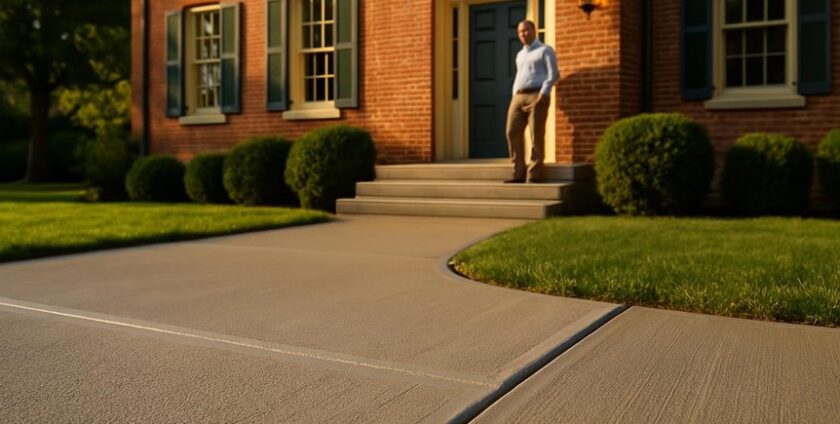
Concrete restoration plays an essential part in enhancing property value in Princeton, NJ. Deteriorated surfaces can detract from a home’s curb appeal, impacting first impressions. Addressing common concrete issues not only improves aesthetics but also reinforces structural integrity. As property buyers increasingly prioritize well-maintained exteriors, understanding the benefits of concrete restoration becomes vital. What specific improvements can homeowners expect, and how do they influence marketability in a competitive real estate landscape?
Understanding Concrete Restoration
Concrete restoration involves the process of repairing and rejuvenating deteriorated concrete surfaces to enhance their structural integrity and aesthetic appeal.
Various concrete types, including reinforced, precast, and stamped concrete, may require specific restoration techniques tailored to their unique properties.
Common methods include resurfacing, crack filling, and the application of sealants, which protect against future damage.
The choice of technique often depends on the extent of deterioration, environmental factors, and the intended use of the concrete surface.
Understanding these aspects guarantees effective restoration, ultimately prolonging the lifespan of concrete structures while maintaining their functionality and visual appeal. Additionally, incorporating epoxy floor systems during the restoration process can significantly enhance the durability and appearance of the surface.
The Importance of Curb Appeal
While the quality of a property’s interior is undeniably important, the significance of curb appeal cannot be overlooked.
Curb appeal directly impacts first impressions, influencing potential buyers and visitors alike. Well-maintained property aesthetics enhance the overall appearance, showcasing the value of the property. Features such as clean walkways, vibrant landscaping, and pristine concrete surfaces contribute to an inviting atmosphere.
A property that excels in curb appeal not only attracts interest but also commands a higher market value. Ultimately, investing in curb appeal through concrete restoration and other enhancements can yield substantial returns, making it a vital aspect of property management. Moreover, moisture management plays a crucial role in maintaining the integrity of exterior surfaces, ensuring longevity and aesthetic appeal.
Common Concrete Issues in Princeton
In Princeton, property owners frequently encounter common concrete issues such as cracks and crumbling surfaces, as well as uneven and settling concrete.
These problems can greatly impact both the safety and aesthetic appeal of residential and commercial properties.
Addressing these issues promptly is essential for maintaining property value and ensuring long-term stability. Moreover, understanding the importance of curing concrete can significantly enhance the durability of repairs and prevent future deterioration.
Cracks and Crumbling Surfaces
Cracks and crumbling surfaces are prevalent issues that property owners in Princeton frequently encounter.
These problems not only detract from a property’s aesthetic appeal but can also compromise its structural integrity. Effective crack prevention techniques, such as proper drainage and moisture control, are essential in mitigating these issues. Additionally, surface sealing can protect concrete from weather elements and wear, markedly extending the lifespan of the material. Implementing waterproofing techniques can further safeguard the structure against potential water ingress, which is crucial in maintaining its overall condition.
Uneven and Settling Concrete
Uneven and settling concrete is a significant concern for property owners in Princeton, as it can lead to safety hazards and diminish the total value of a property.
Issues arise from settling foundations, resulting in:
- Cracked walkways that pose tripping risks
- Uneven driveways that disrupt vehicle access
- Sloped patios that hinder outdoor enjoyment
- Sunken pool decks that create safety concerns
- Distorted garage floors impacting functionality
Addressing these uneven surfaces not only enhances safety but also contributes positively to property aesthetics and value. Timely concrete restoration can mitigate these issues, ensuring a safer and more appealing environment for residents and visitors alike. Additionally, conducting regular risk assessments can help identify potential hazards associated with uneven concrete surfaces before they lead to serious accidents.
Benefits of Repairing Cracks and Damage
Repairing cracks and damage in concrete not only enhances the aesthetic appeal of a property but also greatly increases its structural integrity. Addressing these issues promptly prevents further deterioration, ensuring the longevity of the concrete surfaces. Consequently, property owners can maintain both the functionality and visual value of their investment. Additionally, this proactive approach can contribute to reducing disposal of C&D materials, as properly maintained concrete can often be reused or recycled rather than sent to landfills.
Enhanced Aesthetic Appeal
When property owners prioritize the restoration of concrete surfaces, they not only enhance the structural integrity of their property but also considerably improve its visual appeal.
A well-executed restoration project can transform worn and damaged concrete into an attractive feature, leading to increased property value.
Key elements include:
- Thoughtful color selection that complements the surrounding architecture
- Diverse texture options, from smooth finishes to rustic patterns
- Clean lines and defined edges enhancing overall aesthetics
- Elimination of unsightly cracks and blemishes
- Enhanced curb appeal that attracts potential buyers
These improvements create a welcoming atmosphere, ultimately elevating the property’s market position. Additionally, the application of industrial-grade densifiers can significantly increase the durability and lifespan of the concrete surfaces.
Increased Structural Integrity
Concrete restoration not only improves aesthetic appeal but also greatly enhances the structural integrity of a property.
By addressing cracks and damage, restoration guarantees structural safety, preventing further deterioration that could compromise the building’s foundation.
Maintaining a sound concrete structure considerably contributes to property longevity, as it withstands the elements and daily wear.
This proactive approach not only safeguards the investment but also instills confidence in potential buyers.
As structural integrity improves, so does the overall worth of the property, making restoration a smart choice for homeowners looking to enhance both safety and market appeal in Princeton, NJ. Additionally, addressing these issues can help reduce work-related injuries that often arise from deteriorating structures, ensuring a safer environment for all.
Enhancing Safety With Concrete Restoration
Although many property owners may overlook the significance of concrete restoration, it serves an essential function in enhancing safety across various environments.
By adhering to safety standards, property owners can achieve significant risk reduction through comprehensive restoration efforts.
Key benefits include:
- Improved traction on walkways
- Elimination of hazardous cracks and gaps
- Enhanced structural stability
- Prevention of water infiltration
- Compliance with local safety regulations
These measures not only protect individuals from potential accidents but also foster a secure atmosphere, ultimately elevating property value in Princeton, NJ.
Concrete restoration is a proactive investment in both safety and asset longevity. Additionally, utilizing a construction checklist during the restoration process can help ensure that all safety measures are effectively implemented.
Increasing Longevity of Concrete Surfaces
Maintaining the integrity of concrete surfaces is essential for ensuring their longevity and performance over time. Regular surface maintenance considerably contributes to extending the concrete lifespan, mitigating issues such as cracks, spalling, and discoloration.
Effective restoration techniques, including sealing and resurfacing, protect concrete from environmental factors like moisture and freeze-thaw cycles. By addressing minor damages promptly, property owners can prevent more extensive and costly repairs in the future.
Additionally, well-maintained concrete surfaces not only enhance aesthetic appeal but also increase property value. Thus, investing in concrete restoration and maintenance is a prudent choice for long-term durability and asset preservation. Self-leveling polished overlays are an excellent option for transforming uneven or worn concrete floors while improving both functionality and aesthetics.
Cost-Effectiveness of Restoration vs. Replacement
When evaluating the cost-effectiveness of concrete restoration versus replacement, property owners must consider initial expenses alongside long-term financial implications.
Restoration often presents a lower upfront cost while extending the life of existing surfaces, thereby reducing future maintenance and replacement expenses. Additionally, implementing low-carbon concrete practices can further enhance the sustainability of restoration projects, aligning with industry advancements and regulations.
Understanding these factors can guide informed decisions that enhance both property value and fiscal responsibility.
Restoration vs. Replacement Costs
Many property owners face the essential decision of whether to restore or replace deteriorating concrete structures, each option presenting unique financial implications.
Cost comparisons reveal that restoration techniques often come at a fraction of replacement costs. Key factors to evaluate include:
- Initial investment versus long-term savings
- Labor and material expenses
- Downtime during the project
- Environmental impact of materials
- Potential increase in property value
Understanding these elements can guide property owners in making informed choices, ensuring their investments yield the best possible returns while maintaining the structural integrity of their properties. Additionally, considering the advancements in energy modeling can further enhance restoration projects by optimizing energy efficiency and reducing long-term operational costs.
Long-Term Financial Benefits
Evaluating the long-term financial benefits of concrete restoration versus replacement reveals significant cost-effectiveness for property owners.
Restoration typically requires a lower initial investment, leading to enhanced investment returns over time. As property values appreciate, regular maintenance through restoration can positively influence property appraisal outcomes.
By avoiding the substantial costs associated with complete replacement, property owners can allocate funds to other improvements, further enhancing overall worth.
Additionally, restored concrete can prolong the lifespan of structures, minimizing future expenses.
Ultimately, the financial advantages of restoration solidify its position as a prudent choice for property owners seeking to maximize value and maintain aesthetics.
Eco-Friendly Aspects of Concrete Restoration
Although concrete is often perceived as a resource-intensive material, its restoration presents a myriad of eco-friendly benefits that contribute to sustainable construction practices.
Emphasizing eco-friendly practices, concrete restoration enhances property value while promoting environmental stewardship through:
- Utilization of sustainable materials
- Reduction of construction waste
- Improved energy efficiency in buildings
- Minimization of carbon footprint
- Extension of concrete lifespan
Additionally, the adoption of sustainable practices in construction, such as renewable energy sources, can further enhance the benefits of concrete restoration by promoting overall energy efficiency.
The Role of Professional Services
While the advantages of concrete restoration are clear, the expertise of professional services is essential for guaranteeing successful implementation.
Professionals bring expert techniques that adhere to industry restoration standards, ensuring high-quality results. Their knowledge allows for accurate assessment of damage and the appropriate selection of materials and methods required for each project.
Additionally, skilled contractors ensure that the restoration process is efficient and effective, minimizing potential issues that could arise from improper handling. Furthermore, they often utilize resources for project specifications, which help streamline the restoration process and ensure compliance with all relevant standards.
DIY vs. Professional Restoration: What to Consider
When considering concrete restoration, property owners often face the dilemma of choosing between DIY methods and hiring professional services. Each option presents distinct advantages and drawbacks:
- DIY techniques can be cost-effective but require significant
- Professional expertise guarantees high-quality results and longevity
- Cost considerations include materials and potential repairs
- Time investment for DIY can be substantial without assured outcomes
- Safety risks may arise from improper handling of materials
Ultimately, evaluating these factors is vital for making an informed decision that balances budget, safety, and the desired quality of restoration.
Real Estate Market Trends in Princeton
The real estate market in Princeton is currently experiencing notable fluctuations influenced by various economic factors and demographic shifts.
Recent trends indicate a growing demand for properties, driven by an influx of families and professionals attracted to Princeton’s renowned educational institutions and vibrant community.
These changing Princeton demographics have resulted in increased property values, yet market fluctuations can create uncertainty for buyers and sellers alike.
Understanding these dynamics, including interest rates and local economic conditions, is essential for stakeholders to navigate this evolving landscape effectively.
Concrete restoration can further enhance property appeal, addressing both aesthetic and structural concerns during these changes.
Success Stories: Before and After Restoration
How can concrete restoration transform a property’s value and appeal? Numerous success stories illustrate the profound impact of these projects.
- Cracked driveways become smooth, inviting paths.
- Faded patios regain vibrant, new-like surfaces.
- Stained walkways turn into clean, welcoming entrances.
- Eroded foundations are fortified, enhancing structural integrity.
- Dull garage floors are revitalized with glossy finishes.
Before restoration, properties often appear neglected, which diminishes their marketability.
After restoration, they exude charm and professionalism, attracting potential buyers and increasing total property value. The transformation underscores the importance of investing in concrete restoration to enhance a property’s aesthetic and financial appeal, as seen in the polished concrete overlay projects that provide exceptional durability and visual appeal.
Frequently Asked Questions
How Long Does Concrete Restoration Typically Take to Complete?
Concrete restoration typically requires a project duration of one to several days, depending on the extent of damage and the specific restoration techniques employed. A well-planned restoration timeline guarantees efficient completion and ideal results.
What Materials Are Commonly Used in Concrete Restoration Projects?
Common materials in concrete restoration projects include epoxy injections for crack repair and surface sealing agents to enhance durability. These materials work together to restore structural integrity while providing protection against environmental factors and wear.
Are There Warranties Available for Concrete Restoration Services?
Concrete restoration services often include warranty coverage, with specific contract details outlining the terms. Clients should carefully review these details to understand the extent and duration of the warranty, ensuring protection against potential future issues.
Can Concrete Restoration Be Done in Winter Months?
Concrete restoration can certainly be performed during winter months, though it presents unique winter challenges. Experienced professionals utilize specialized restoration techniques to guarantee effective adhesion and curing, maintaining quality despite colder temperatures and adverse conditions.
How Often Should Concrete Surfaces Be Restored or Maintained?
Concrete surfaces should undergo restoration or maintenance every few years, depending on usage and environmental factors. Regular preventative maintenance and thorough surface assessments help identify issues early, ensuring longevity and ideal performance of the concrete.
Conclusion
To summarize, concrete restoration is an essential investment for property owners in Princeton, NJ, as it greatly enhances both aesthetic appeal and structural integrity. By addressing common issues and ensuring safety compliance, professional restoration services boost marketability in a competitive real estate landscape. With an emphasis on quality and adherence to standards, property owners can realize substantial returns on their investment, ultimately transforming their properties into inviting, valuable assets for prospective buyers.
- By: Francis Burnet
- Tags: concrete restoration, Princeton NJ, property value
- Category: Surface Preparation & Grinding, Troubleshooting Common Flooring Issues
- 0 comment