
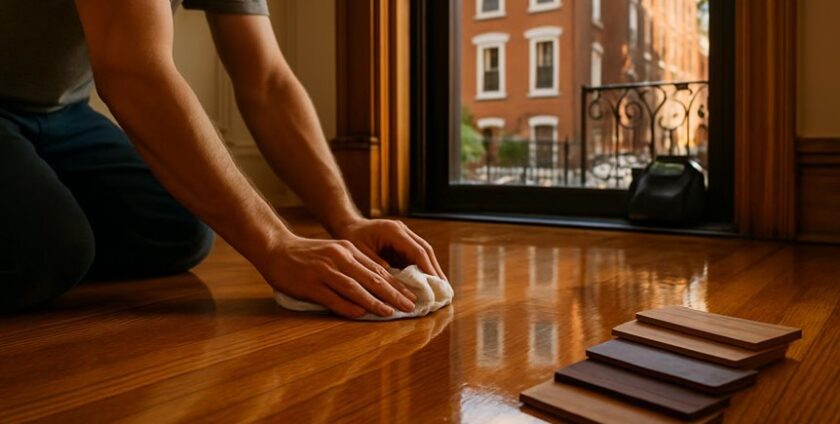
Floor resurfacing serves as a strategic investment for homeowners in Trenton, NJ. This process not only rejuvenates worn surfaces but also enhances the general aesthetic appeal of properties. By addressing issues like scratches and unevenness, resurfaced floors signal a commitment to quality living. As property values fluctuate in the competitive real estate market, understanding the specific benefits of floor resurfacing becomes essential for homeowners looking to maximize their return on investment. What factors should they consider?
Understanding Floor Resurfacing
Floor resurfacing transforms worn or damaged surfaces into visually appealing and functional areas. This process not only enhances the aesthetic quality of flooring but also offers significant flooring benefits, making it an essential property upgrade.
By renewing surfaces, homeowners can improve safety, reduce maintenance costs, and extend the lifespan of their existing floors. Resurfacing can effectively address issues like scratches, stains, and unevenness, resulting in a smoother, more durable surface.
Additionally, upgraded floors contribute to increased property value, making them a wise investment for those looking to enhance their home’s appeal and marketability in competitive real estate environments. Furthermore, utilizing high-quality flooring services ensures that the resurfacing process meets industry standards and provides long-lasting results.
The Aesthetic Impact of Resurfaced Floors
The aesthetic impact of resurfaced floors greatly enhances a property’s visual appeal, making spaces more inviting and stylish.
By aligning with modern design trends, resurfaced floors can transform the entire atmosphere of a home or business, attracting potential buyers or tenants.
This improvement not only raises the interior design but also contributes to the property’s total value. Additionally, incorporating decorative epoxy flooring can provide unique aesthetic options that elevate the overall look of the space.
Enhanced Visual Appeal
When considering home improvements, enhanced visual appeal often emerges as a primary motivator for property owners seeking to uplift their interiors.
Floor resurfacing considerably contributes to this enhancement by revitalizing existing surfaces and offering diverse flooring styles that complement various design aesthetics.
A well-executed resurfacing project can transform dull, worn-out floors into striking focal points, thereby elevating the general ambiance of a space.
This renewed aesthetic not only attracts potential buyers but also creates a welcoming environment for current residents.
Ultimately, resurfaced floors serve as a reflection of a property’s attention to detail and investment in quality living spaces. Additionally, incorporating sustainable flooring options during resurfacing can further enhance property value by appealing to environmentally conscious buyers.
Modern Design Trends
Resurfaced floors align seamlessly with modern design trends, enhancing both the aesthetic appeal and functionality of contemporary spaces.
These floors can embody minimalist aesthetics, creating a clean and uncluttered look that complements open-concept designs. Alternatively, they can showcase bold patterns, adding a striking visual element that serves as a focal point.
Such versatility allows homeowners to tailor their interiors to reflect personal style while adhering to current design sensibilities.
Enhancing Functionality Through Resurfacing
Floor resurfacing considerably enhances functionality by improving durability and longevity, making surfaces more resistant to wear and tear. Additionally, the process can raise the aesthetic appeal of a space, creating a more inviting environment. These combined benefits contribute to a more practical and visually pleasing property, ultimately increasing its value. Furthermore, the application of industrial-grade densifiers can significantly extend the lifespan of the flooring, ensuring it withstands high-traffic usage.
Improved Durability and Longevity
A significant enhancement in durability and longevity can be achieved through effective floor resurfacing techniques. By reinforcing existing surfaces, resurfacing improves floor strength, allowing them to withstand heavy foot traffic and everyday wear.
This process not only restores the floor’s initial condition but also extends the material lifespan, reducing the need for frequent replacements. Consequently, property owners can enjoy long-term benefits, including lower maintenance costs and increased functionality. Investing in floor resurfacing ultimately contributes to a more resilient flooring solution, ensuring that properties maintain their value and appeal over time in the competitive market of Trenton, NJ. Additionally, utilizing advanced self-leveling polished overlays can further enhance the durability and aesthetics of resurfaced floors.
Enhanced Aesthetic Appeal
Beyond durability and longevity, floor resurfacing substantially enhances the aesthetic appeal of a property.
This transformation allows homeowners to customize their spaces through thoughtful color selection and diverse texture options. By choosing the right colors, property owners can create a cohesive design that complements existing decor and raises the overall atmosphere.
Various texture options, from smooth finishes to intricate patterns, can further enhance visual interest and tactile experience. Such upgrades not only make spaces more inviting but also greatly increase property value, making floor resurfacing a strategic investment for homeowners looking to improve both beauty and functionality in their properties. Additionally, polished and sealed concrete services can revitalize outdated flooring, further elevating the property’s overall appeal.
Cost-Effectiveness of Floor Resurfacing
Resurfacing floors can greatly enhance the aesthetic appeal and functionality of a property while remaining a cost-effective solution compared to complete floor replacement.
Homeowners in Trenton, NJ, can experience significant cost savings by opting for resurfacing, which typically requires less time and labor than a full installation.
This approach not only reduces upfront expenses but also offers favorable investment returns, as freshly resurfaced floors can increase property value and attract potential buyers. Additionally, utilizing resources from the Architect Center can help homeowners explore comprehensive design materials to further enhance their property’s appeal.
Types of Flooring Suitable for Resurfacing
When considering floor resurfacing, two prominent options are hardwood flooring and concrete surfaces. Hardwood can be refinished to restore its original luster, while concrete can be polished or coated to enhance its appearance and durability. Both choices offer unique benefits that contribute to the general aesthetic and value of a property. Additionally, the hydration process in concrete ensures that it achieves optimal strength and durability when properly maintained during resurfacing.
Hardwood Flooring Options
While many homeowners seek to enhance their property’s value and aesthetics through flooring improvements, understanding the various hardwood flooring options suitable for resurfacing is essential.
Engineered hardwood, composed of multiple layers, offers durability and versatility, making it an excellent choice for high-traffic areas.
Conversely, reclaimed wood brings character and history, appealing to those looking for unique aesthetics.
Both options can be effectively resurfaced, restoring their beauty and extending their lifespan.
Ultimately, selecting the right hardwood flooring type contributes greatly to a property’s overall appeal and value in the competitive real estate market of Trenton, NJ. Additionally, choosing sustainable materials aligns with trends in sustainable lighting solutions that enhance both aesthetics and environmental responsibility.
Concrete Surface Solutions
Concrete resurfacing offers several choices, including traditional smooth finishes and textured options. Decorative overlays can transform plain concrete into visually appealing surfaces, mimicking the look of stone, tile, or even wood. These overlays not only improve aesthetics but also add a layer of protection against wear and damage. Additionally, polished concrete overlays provide a sophisticated and durable solution for high-traffic areas, making them an excellent choice for both residential and commercial properties.
The Resurfacing Process Explained
A comprehensive understanding of the resurfacing process is fundamental for anyone considering enhancing their property’s flooring. The process typically involves several key steps, guaranteeing a durable and aesthetically pleasing finish.
- Floor Preparation: This critical initial step involves cleaning and repairing any damaged areas.
- Resurfacing Techniques: Various methods, such as overlaying or grinding, are employed based on the existing floor type.
- Finishing Touches: A protective sealant is applied to enhance longevity and appearance.
Each step is essential to achieving ideal results, ultimately contributing to increased property value in Trenton, NJ. A thorough approach guarantees a successful flooring transformation.
Choosing the Right Materials for Resurfacing
Selecting appropriate materials for floor resurfacing plays a significant role in determining the outcome of the project. Effective material selection hinges on the specific flooring types and the intended use of the space.
For high-traffic areas, durable options such as epoxy or polyurethane may be ideal, while residential settings may benefit from aesthetic choices like hardwood or laminate.
Additionally, the local climate and humidity levels in Trenton, NJ, can influence material performance and longevity.
Ultimately, choosing the right materials not only enhances the visual appeal but also contributes to the overall functionality and value of the property. Incorporating materials like epoxy resins can further improve durability and resistance to wear in high-traffic areas.
Maintenance Tips for Resurfaced Floors
While maintaining resurfaced floors may seem straightforward, implementing effective care strategies is essential for preserving their appearance and extending their lifespan.
Adopting proper cleaning techniques and adhering to maintenance schedules will enhance durability and aesthetics.
- Regularly sweep or vacuum to remove dirt and debris.
- Use a damp mop with a pH-neutral cleaner for deeper cleaning.
- Avoid harsh chemicals that can damage the surface.
Attracting Potential Buyers With Updated Flooring
Updated flooring serves as a significant selling point in real estate, capturing the attention of potential buyers.
Today’s buyer preferences lean towards modern, stylish, and durable flooring materials that enhance aesthetics and functionality. Properties featuring hardwood, luxury vinyl, or eco-friendly options are particularly appealing, as they reflect contemporary design trends and sustainability concerns.
High-quality flooring not only improves the general ambiance of a home but also signifies a well-maintained property, making it more attractive to discerning buyers. Investing in updated flooring can, consequently, play an essential role in elevating a property’s marketability and perceived value in Trenton, NJ. Additionally, properties that showcase high performance flooring can benefit from enhanced durability and hygiene, further increasing their appeal to potential buyers.
Resurfacing vs. Replacement: Which Is Better?
When considering the best option for enhancing flooring, one may wonder whether resurfacing or replacement is the more effective choice.
Resurfacing can extend the floor lifespan at a lower cost, while replacement often greatly boosts resale value.
Key considerations include:
- Cost-effectiveness: Resurfacing is typically less expensive than full replacement.
- Time efficiency: Resurfacing usually requires less time, minimizing disruption.
- Impact on resale value: New floors may attract buyers, but well-done resurfacing can also enhance appeal.
Additionally, proper safety procedures during the resurfacing process can help prevent workplace accidents and ensure a smooth project completion.
Ultimately, the decision should reflect the specific needs of the property and the long-term goals of the homeowner.
Local Trends in Flooring for Trenton Homes
As homeowners weigh their options between resurfacing and replacement, local trends in flooring for Trenton homes reveal a growing preference for sustainable and stylish materials.
Eco-friendly options, such as bamboo and reclaimed hardwood, are becoming more and more sought after, aligning with residents’ design preferences for both aesthetics and environmental responsibility.
Additionally, luxury vinyl and laminate are gaining traction due to their durability and ease of maintenance.
These local flooring trends reflect a shift towards innovative designs that not only enhance the beauty of homes but also contribute positively to property value, making them an appealing choice for many Trenton homeowners. Moreover, the increased focus on sustainable management of construction materials underscores the importance of choosing flooring options that minimize waste and environmental impact.
Long-Term Benefits of Investing in Floor Resurfacing
Investing in floor resurfacing offers homeowners a strategic approach to enhancing their property’s appeal and value over time.
This improvement not only raises aesthetics but also provides considerable long-term benefits, including:
- Sustainability benefits: Resurfacing reduces waste by extending the life of existing floors, promoting environmental responsibility.
- Enhanced durability: Resurfaced floors withstand wear and tear, minimizing future repair costs.
- Investment returns: A well-maintained floor substantially boosts property value, leading to higher returns upon sale.
Additionally, effective water management can further enhance the longevity and performance of your floors, ensuring they remain a valuable asset in your home.
Frequently Asked Questions
How Long Does Floor Resurfacing Typically Last?
Floor resurfacing typically lasts between 10 to 15 years, depending on the materials used and general maintenance. Regular cleaning and timely repairs can greatly extend the floor lifespan, ensuring long-lasting beauty and functionality.
Can I Stay in My Home During Resurfacing?
Homeowners can generally remain during resurfacing, but they should expect heightened noise levels and dust. Proper dust control measures are essential to minimize disruption, ensuring a more comfortable environment while the work is completed.
Are There Any Environmental Concerns With Resurfacing?
Environmental concerns with resurfacing include potential chemical emissions from certain materials. Nonetheless, utilizing eco-friendly materials can greatly reduce these risks, ensuring a safer process for both occupants and the surrounding environment during and after resurfacing.
How Does Flooring Color Affect Resale Value?
Flooring color greatly influences resale value; neutral tones appeal broadly, attracting more potential buyers. Conversely, bold choices may deter some, potentially limiting marketability. Understanding these dynamics is essential for maximizing property appeal and financial return.
Is Floor Resurfacing a DIY Project?
Floor resurfacing can be a DIY project, but it requires careful cost considerations and specific necessary tools. Homeowners should weigh their skill level against potential expenses and the quality of the finished result before proceeding.
Conclusion
To sum up, floor resurfacing emerges as a strategic investment for homeowners in Trenton, NJ, poised to enhance property value markedly. By revitalizing surfaces and improving aesthetics, this cost-effective solution not only attracts potential buyers but also extends the lifespan of flooring, ultimately leading to reduced maintenance costs. With the ongoing trends favoring updated interiors, resurfacing offers a compelling alternative to replacement, ensuring long-term benefits and a favorable return on investment in the competitive real estate market.
- By: Francis Burnet
- Tags: floor resurfacing, property value, Trenton NJ
- Category: Surface Preparation & Grinding, Troubleshooting Common Flooring Issues
- 0 comment