
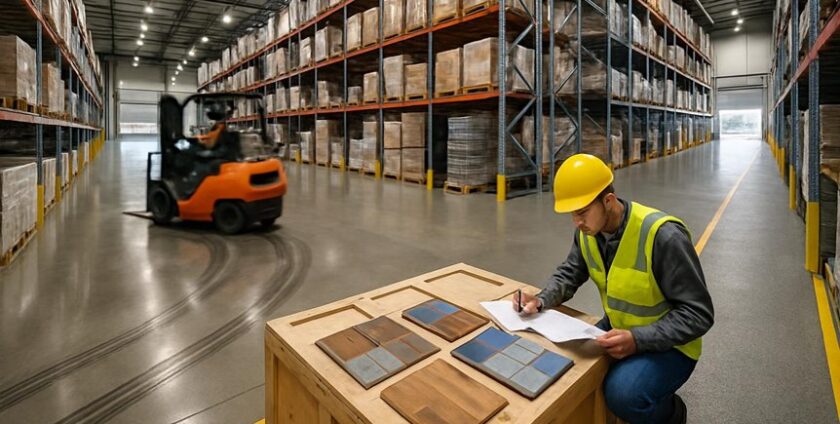
Selecting the appropriate floor finish for a warehouse in New Jersey requires careful consideration of several factors. Traffic levels, environmental conditions, and safety standards play essential roles in this decision. Various flooring options exist, each catering to specific needs and challenges. Understanding these elements can greatly impact performance and longevity. The next steps involve evaluating the types of finishes available and their respective benefits.
Understanding Warehouse Needs
Understanding the specific needs of a warehouse is vital for selecting an appropriate floor finish.
Warehouse functionality hinges on factors such as heavy equipment movement, potential chemical exposure, and the types of products stored. A well-chosen floor finish can greatly enhance operational efficiency by reducing maintenance costs and improving safety.
Considerations like slip resistance, durability, and ease of cleaning play important roles in determining the most suitable option. Each warehouse has unique demands, and addressing these needs effectively guarantees a safer, more productive environment that supports the comprehensive goals of the business while accommodating its specific operational requirements. Additionally, opting for industrial-grade solutions ensures superior chemical resistance and durability, making them ideal for demanding warehouse environments.
Types of Floor Finishes
When selecting a floor finish for a warehouse, it is essential to contemplate various options that cater to specific needs.
Epoxy coatings provide a durable and chemical-resistant surface, while polyurethane offers flexibility and UV stability.
Additionally, concrete sealers protect the underlying material and enhance comprehensive longevity, making them viable choices for warehouse environments. Furthermore, epoxy coatings are known for their high thermal stability, making them suitable for areas exposed to varying temperatures.
Epoxy Coatings Overview
Epoxy coatings stand out as a popular choice for warehouse flooring due to their durability and versatility.
These coatings provide significant epoxy benefits, including resistance to chemicals, stains, and heavy traffic, making them ideal for demanding environments.
Additionally, epoxy flooring offers a seamless surface that enhances cleanliness and safety.
The epoxy installation process typically involves preparing the substrate, applying a primer, and then layering the epoxy, often completed in a relatively short timeframe.
Proper installation guarantees maximum performance and longevity of the floor finish, making epoxy coatings a reliable investment for warehouses seeking durability and low maintenance. Moreover, premium epoxy systems like those used in specialized settings, such as fire stations, enhance performance under heavy loads and emergency conditions.
Polyurethane Advantages
Polyurethane floor finishes offer a range of advantages that make them an attractive option for warehouse environments. Known for their durability and resistance to wear, these finishes provide essential protection for high-traffic areas.
- Excellent chemical resistance
- Enhanced flexibility and impact resistance
- Quick application techniques for efficient project completion
- Aesthetic appeal with a glossy finish
The polyurethane benefits include a longer lifespan compared to other finishes, minimizing maintenance costs and downtime.
Additionally, the variety of application techniques allows for tailored solutions to meet specific warehouse needs, ensuring ideal performance and longevity. Moreover, these finishes are complemented by exceptional customer service that enhances the overall flooring experience.
Concrete Sealers Explained
Concrete sealers enhance the concrete properties, providing protection against moisture, chemicals, and abrasion. The main sealer types include penetrating sealers, which soak into the surface, and topical sealers, which form a protective layer. Penetrating sealers are ideal for maintaining a natural appearance, while topical sealers offer a glossy finish and added durability. Each type serves a specific purpose, and selecting the right sealer is vital for ensuring longevity and functionality in a warehouse environment. Additionally, using recycled materials in sealers can further enhance their sustainability and performance.
Evaluating Traffic Levels
Evaluating traffic levels is essential for selecting an appropriate floor finish in a warehouse setting.
An assessment of daily foot traffic, along with an analysis of equipment usage, provides insight into the wear and tear the flooring will endure.
This information helps in choosing a finish that not only meets aesthetic needs but also withstands operational demands. Additionally, understanding the specific performance surfaces required for high-traffic areas can significantly enhance the longevity of the flooring.
Assess Daily Foot Traffic
How can the level of daily foot traffic impact the choice of floor finish for a warehouse? Understanding foot traffic is vital for selecting an appropriate floor finish that aligns with the warehouse layout.
High-traffic areas require durable materials to withstand wear, while lower-traffic zones may allow for less robust options.
- Increased foot traffic leads to faster deterioration of floor finishes.
- Different warehouse layouts can concentrate traffic in specific zones.
- Slip-resistance may be essential in high-foot-traffic areas.
- Aesthetic considerations may vary based on visibility and footfall frequency.
These factors inform the decision-making process for warehouse flooring. Additionally, the need for safety climate in high-traffic areas emphasizes the importance of selecting finishes that not only endure wear but also contribute to overall worker safety.
Consider Equipment Usage
Understanding foot traffic dynamics is only part of the equation when selecting a floor finish for a warehouse. Evaluating equipment usage is essential, as various machines exert different loads on the flooring.
The chosen finish must demonstrate appropriate load capacity to withstand heavy machinery, such as forklifts and pallet jacks, ensuring durability over time. Additionally, equipment compatibility should be assessed; certain finishes may react adversely to chemical spills or heavy impacts caused by equipment operation.
A thorough analysis of operational demands will guide warehouse managers in selecting a floor finish that meets both performance and safety requirements, ultimately enhancing efficiency. Moreover, considering construction safety risks during the selection process can further ensure a safe working environment for all warehouse personnel.
Assessing Environmental Conditions
Before selecting a floor finish for a warehouse in New Jersey, it is essential to assess the environmental conditions that will impact the performance of the flooring.
Key factors to evaluate include:
- Humidity levels: High humidity can lead to moisture damage.
- Temperature fluctuations: Extreme variations can affect the integrity of the finish.
- Exposure to chemicals: Certain materials may require chemical-resistant finishes.
- Foot traffic and load-bearing requirements: These dictate the durability needed in the flooring.
Additionally, understanding moisture management is crucial to ensure the longevity and safety of the flooring choice.
Safety Standards and Compliance
Ensuring safety standards and compliance is essential when selecting a floor finish for a warehouse in New Jersey. Adhering to safety regulations helps prevent accidents and liabilities, safeguarding both employees and assets.
Compliance guidelines, such as those set forth by OSHA and local authorities, dictate the necessary slip resistance, fire safety, and chemical resistance of flooring materials. It is vital for warehouse managers to verify that their chosen floor finish meets these standards, as non-compliance can lead to costly penalties and increased risk of workplace injuries. Therefore, incorporating a construction checklist during the selection process can help ensure all safety protocols are followed effectively.
Thus, careful consideration of safety and compliance is imperative in the decision-making process.
Maintenance Requirements
Selecting the right floor finish for a warehouse also involves considering its maintenance requirements, which can greatly impact long-term operational efficiency.
Proper maintenance guarantees durability and functionality, requiring a thoughtful approach to both cleaning schedules and repair protocols.
- Regular sweeping and mopping to prevent debris buildup
- Scheduled deep cleaning to maintain surface integrity
- Timely inspections to identify wear and tear
- Established protocols for addressing damage promptly
In addition, utilizing maintenance and cleaning recommendations can help ensure your flooring remains in optimal condition over time.
Cost Considerations
While evaluating options for floor finishes in a New Jersey warehouse, cost considerations play a pivotal role in the decision-making process. Organizations must assess their budget constraints alongside the initial and ongoing costs of different finishes.
Some options may require a higher upfront investment, but could prove to be a long-term investment through reduced maintenance and increased durability. Evaluating the cost-effectiveness of each finish will help businesses align their financial resources with their operational needs.
Ultimately, selecting a floor finish should balance immediate costs with future savings, ensuring a sustainable and economically viable choice for the warehouse environment. Additionally, considering the impact of inflation on building materials can further inform the decision-making process.
Aesthetic Appeal
Aesthetic appeal serves an essential function in selecting a floor finish for a warehouse, as it encompasses various elements such as color options, surface textures, and design patterns.
By choosing the right colors, facilities can enhance the general ambiance and visibility of the space.
Additionally, the texture and patterns can influence not only the look but also the functionality of the floor, contributing to both safety and maintenance considerations. Moreover, selecting a finish that incorporates sustainable materials can also reflect a commitment to environmental responsibility while enhancing the overall aesthetic.
Color Options Available
Color psychology plays an essential part in creating an inviting atmosphere. Different colors can enhance productivity, safety, and even morale among employees. Selecting the right color combinations can greatly impact the overall aesthetic appeal of the space.
- Bright colors like yellow can energize and stimulate activity.
- Cool colors such as blue promote calmness and concentration.
- Neutral tones create a clean, professional look.
- Bold combinations can draw attention to specific areas, enhancing functionality.
Incorporating these elements guarantees a well-designed warehouse environment that aligns with operational goals. Additionally, utilizing epoxy resinous flooring can provide a durable and stylish finish that complements your chosen color scheme.
Surface Texture Choices
The selection of surface texture in a warehouse plays a significant role in enhancing its general aesthetic appeal. Various surface textures can create visual interest while also serving functional purposes.
For example, textured finishes not only improve the overall look but also enhance slip resistance, which is vital for safety in high-traffic areas. A smooth finish may convey a modern, sleek appearance, while a more rugged texture can evoke a robust, industrial feel. Additionally, choosing the right surface texture can reflect decorative tilework techniques, bringing a unique character to the space.
Ultimately, choosing the right surface texture balances aesthetics with practical considerations, ensuring that the warehouse remains both visually appealing and safe for employees and visitors alike.
Design Patterns Considerations
While selecting design patterns for a warehouse floor can enhance visual appeal, it is essential to take into account the complete functionality of the space. Aesthetic integration should harmonize with operational needs, ensuring safety and efficiency.
- Geometric patterns can create a sense of order.
- Color contrasts can delineate different areas for improved navigation.
- Textured designs may provide slip resistance while maintaining style.
- Custom logos can reinforce branding and identity.
Ultimately, thoughtful design patterns not only raise the aesthetic appeal but also contribute to a more organized and productive warehouse environment. Additionally, incorporating health and safety standards can further ensure a safe working environment for all employees.
Installation Process
Selecting the right floor finish is only the beginning; the installation process holds an essential part in ensuring durability and functionality. Appropriate installation techniques are critical for peak performance, as they directly impact the finish’s adherence and longevity.
Different application methods, such as epoxy coating or polished concrete, require specific tools and expertise to achieve the desired results. It is important to prepare the substrate adequately and follow manufacturer guidelines to prevent future issues. Engaging professionals skilled in these techniques can further enhance the installation process, ensuring that the chosen floor finish meets the operational demands of the NJ warehouse environment. Additionally, utilizing mechanical concrete polishing can significantly improve surface texture and appearance, contributing to the overall durability of the floor.
Durability and Longevity
Durability and longevity are critical factors to evaluate when choosing a floor finish for a warehouse environment. A robust floor finish not only extends the floor lifespan but also minimizes maintenance frequency, thereby reducing long-term costs.
Key considerations include:
- Resistance to heavy machinery and foot traffic
- Ability to withstand spills and chemical exposure
- The lifespan of the finish under various conditions
- Ease of repair or replacement if damage occurs
Selecting a durable floor finish guarantees that the warehouse can operate efficiently, maintaining safety and functionality while minimizing disruptions caused by frequent upkeep or replacements. Additionally, advanced self-leveling polished overlays provide a cost-effective alternative that enhances both aesthetics and functionality.
Eco-Friendly Options
Eco-friendly floor finishes are becoming increasingly important for warehouses looking to balance functionality with environmental responsibility. Options utilizing sustainable materials, such as recycled rubber or low-VOC epoxy, are gaining popularity. These finishes not only reduce environmental impact but also enhance indoor air quality. Additionally, selecting products with green certifications can provide assurance that they meet rigorous standards for sustainability and safety. Furthermore, using C&D materials in flooring solutions can contribute to sustainable waste management practices by diverting debris from landfills.
Professional Consultation and Support
When maneuvering the complexities of floor finishes for a warehouse, professional consultation and support can be invaluable. Engaging experts offers businesses not only peace of mind but also access to tailored solutions that meet specific operational needs.
- Expert guidance on material selection and application techniques
- Assessment of unique warehouse conditions to guarantee peak performance
- Cost analysis to balance budget constraints with long-term benefits
- Post-installation support to address maintenance and durability issues
Utilizing professional resources guarantees that warehouse operators make informed decisions, ultimately enhancing the functionality and longevity of their flooring investments. Additionally, leveraging comprehensive flooring solutions ensures that the chosen finish aligns perfectly with the operational demands of the warehouse environment.
Frequently Asked Questions
What Is the Average Lifespan of Different Floor Finishes?
The average lifespan of floor finishes varies greatly, with options like epoxy lasting 10-20 years and polyurethane 5-15 years. Floor longevity directly correlates with finish durability, influencing maintenance and total replacement costs for facilities.
Can I Apply a New Finish Over an Existing One?
Yes, a new finish can be applied over an existing one, provided that floor preparation is done correctly. Ensuring finish compatibility is essential to achieve a durable and aesthetically pleasing result for the flooring.
How Do Seasonal Changes Affect Floor Performance?
Seasonal changes greatly affect floor performance due to temperature fluctuations and humidity levels. These factors can lead to expansion and contraction of materials, resulting in potential damage, reduced durability, and altered traction or appearance of the floor.
Are There Specific Finishes Ideal for Cold Storage Facilities?
Specific finishes ideal for cold storage facilities include epoxy and polyurethane coatings, as they provide durable cold storage solutions. Insulation considerations are essential to prevent thermal loss and maintain consistent temperatures within the facility.
What Is the Best Way to Repair Damaged Floor Finishes?
The best way to repair damaged floor finishes involves evaluating the extent of damage, selecting appropriate materials for floor repair, and implementing regular finish maintenance to prolong the lifespan and performance of the flooring system.
Conclusion
In summary, selecting the appropriate floor finish for a New Jersey warehouse requires careful consideration of various factors, including traffic levels, environmental conditions, and safety standards. Durable options like epoxy and polyurethane coatings can enhance both safety and aesthetics while meeting compliance requirements. By evaluating maintenance needs and budget constraints, warehouse managers can make informed decisions. Ultimately, seeking professional consultation guarantees peak installation and performance, contributing to the long-term success of the warehouse operations.
- By: Francis Burnet
- Tags: floor finish options, NJ safety standards, warehouse flooring
- Category: Custom Floor Finishes
- 0 comment