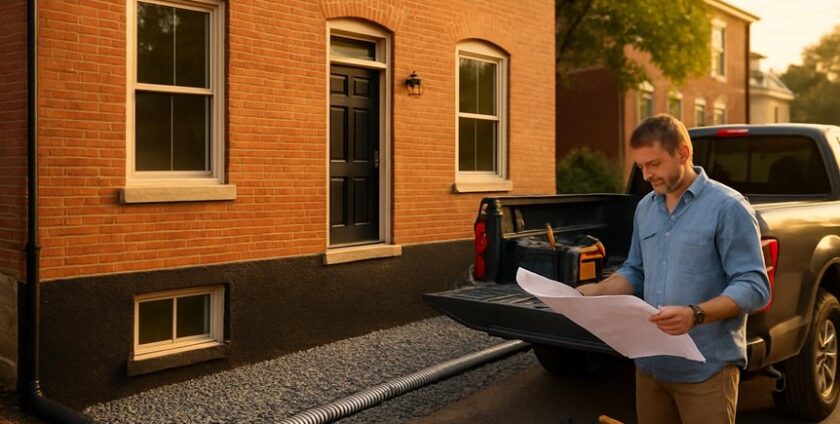
Waterproofing systems play an essential role in enhancing property value in Trenton, NJ. The region’s challenging climate, characterized by heavy rainfall and humidity, makes these systems vital for protecting homes. By preventing water intrusion, they help maintain structural integrity and reduce the risk of mold. This not only safeguards the property but also appeals to potential buyers. Understanding the various aspects of waterproofing can reveal its substantial influence on long-term investment and marketability.
Understanding Waterproofing Systems
Although many homeowners may overlook the importance of waterproofing systems, understanding their function and benefits is crucial for maintaining property integrity.
Waterproofing systems primarily serve to prevent water intrusion, which can lead to structural damage and mold growth. Effective moisture control not only safeguards the physical structure but also enhances indoor air quality, creating a healthier living environment. Additionally, implementing proper moisture management strategies can further protect homes from potential damage and elevate their market appeal.
Furthermore, homeowners can experience significant waterproofing benefits, including increased property value and reduced long-term maintenance costs.
Types of Waterproofing Solutions
There are various types of waterproofing solutions that cater to different needs and environments.
Interior waterproofing methods focus on preventing water infiltration within the building structure, while exterior waterproofing techniques aim to protect the foundation and walls from external moisture.
Understanding these options is essential for property owners seeking to enhance their property’s longevity and value.
Interior Waterproofing Methods
Interior waterproofing methods are essential for safeguarding properties against moisture intrusion and related damage. Effective techniques include basement sealing, which involves applying protective coatings to walls and floors to prevent water seepage.
Additionally, moisture barriers can be installed to create an impermeable layer, further protecting living spaces from dampness.
These methods not only enhance the structural integrity of a building but also improve indoor air quality by reducing mold and mildew growth.
Exterior Waterproofing Techniques
Exterior waterproofing techniques play an essential role in protecting a property from water damage originating from external sources.
These methods enhance structural integrity and property value by preventing moisture intrusion.
Key techniques include:
- Drainage Systems: Properly installed to divert water away from foundations.
- Surface Coatings: Applied to exterior walls, creating a barrier against water penetration.
- French Drains: Installed around the perimeter to collect and redirect groundwater.
- Excavation and Waterproofing Membranes: Applied during construction or renovations to shield against hydrostatic pressure.
Implementing these solutions guarantees long-term protection and enhances property appeal in Trenton, NJ.
The Impact of Water Damage on Property Value
Water damage greatly affects property value by raising concerns about structural integrity, which can deter potential buyers.
Additionally, the presence of mold and mildew not only poses health risks but also further diminishes market appeal.
Ultimately, properties with a history of water damage may struggle to attract competitive offers in the real estate market.
Structural Integrity Concerns
While many homeowners may overlook the subtle signs of moisture intrusion, the long-term consequences of water damage can severely compromise the structural integrity of a property. Effective moisture control is crucial to maintain foundation stability and prevent costly repairs.
Key concerns include:
- Cracked Foundations: Water can erode soil, leading to uneven settling.
- Wood Rot: Excess moisture weakens wooden structures, risking collapse.
- Steel Corrosion: Water can rust steel reinforcements, diminishing load-bearing capacity.
- Decreased Property Value: Structural issues deter potential buyers and lower market worth.
Addressing these concerns proactively can protect property investments and guarantee lasting stability. Moreover, understanding the safety climate and culture in construction can greatly influence effective moisture control measures.
Mold and Mildew Growth
Although often hidden from plain sight, mold and mildew growth can greatly undermine property value, stemming from unresolved water damage.
These fungi not only pose health risks but also indicate significant maintenance issues. Effective mold prevention strategies, including proper waterproofing systems, can mitigate these risks and preserve property integrity. Timely mildew removal is essential to prevent the spread of spores that can lead to more extensive damage.
Homeowners in Trenton, NJ, should prioritize mold prevention and remediation efforts to safeguard their investment and maintain property value, ensuring a safe and healthy living environment for residents and potential buyers alike. Additionally, implementing construction safety measures during renovation can further enhance the property’s overall value and appeal.
Market Appeal Reduction
Mold and mildew growth not only compromises health and safety but also signals underlying issues that can deter potential buyers. The impact of water damage on property value is significant, especially in fluctuating market trends.
Property investment decisions are often influenced by the following factors:
- Perception of neglect in maintenance.
- Potential costly repairs needed.
- Decreased buyer interest leading to reduced offers.
- Long-term implications for resale value.
As such, addressing waterproofing systems can enhance market appeal, ensuring properties remain attractive and competitive in a challenging real estate landscape.
Effective measures can safeguard investments and attract discerning buyers.
How Waterproofing Protects Your Home
Waterproofing serves as a critical defense for homes, safeguarding against the pervasive threats of water intrusion.
Effective moisture control is essential for maintaining structural integrity and preventing damage from mold and mildew.
By implementing waterproofing systems, homeowners can reap significant waterproofing benefits, including enhanced air quality and prolonged lifespan of building materials.
In addition, these systems help protect valuable assets within the home, reducing the risk of costly repairs.
In general, waterproofing not only fortifies a property against water-related issues but also contributes to a healthier living environment, ensuring that homes remain safe and secure for their occupants.
Enhancing Curb Appeal With Waterproofing
How can homeowners effectively enhance their property’s curb appeal while ensuring long-term protection against water damage?
Waterproofing systems play a pivotal role in achieving both goals, improving property aesthetics and safeguarding against moisture-related issues.
Here are four ways waterproofing enhances curb appeal:
- Foundation Protection: Prevents water stains and cracks on the exterior.
- Landscaping Preservation: Safeguards gardens and pathways from water erosion.
- Exterior Finish Maintenance: Keeps siding and paint intact, reducing peeling and discoloration.
- Increased Market Value: Attracts potential buyers by presenting a well-maintained, durable property.
Investing in waterproofing consequently enhances both beauty and resilience.
Waterproofing and Energy Efficiency
Waterproofing systems play an essential role in enhancing energy efficiency within a property.
By preventing water intrusion, these systems help maintain consistent indoor temperatures, leading to significant energy savings.
Additionally, improved insulation contributes to enhanced indoor comfort, creating a more pleasant living environment.
Energy Savings Benefits
Implementing effective waterproofing systems can greatly enhance a property’s energy efficiency, leading to notable energy savings.
By minimizing moisture intrusion, properties can achieve significant cost reduction in various ways, including:
- Reduced HVAC Load: Less dampness means heating and cooling systems work more efficiently.
- Lower Energy Bills: Improved insulation from waterproofing can lead to decreased energy consumption.
- Extended Equipment Lifespan: Efficient systems require less maintenance and have a longer operational life.
- Increased Resale Value: Energy-efficient properties often attract buyers, boosting overall property worth.
Ultimately, waterproofing not only protects but also enhances economic sustainability.
Enhanced Indoor Comfort
When moisture intrusion is effectively managed, the indoor environment of a property becomes markedly more comfortable for occupants.
Waterproofing systems play an essential role in enhancing indoor air quality by preventing mold growth and reducing allergens. This fosters a healthier living space, which is particularly important for individuals with respiratory issues.
Additionally, these systems contribute to temperature stability by minimizing drafts and maintaining consistent conditions throughout the property. Consequently, occupants experience improved comfort year-round, leading to increased satisfaction and perceived value of the property.
Ultimately, enhanced indoor comfort is a significant advantage of effective waterproofing measures.
The Role of Waterproofing in Home Inspections
Proper waterproofing is essential during home inspections, as it significantly influences the comprehensive assessment of a property’s condition.
Home inspectors evaluate various factors that can affect property appraisal, including:
- Foundation Integrity: Waterproofing helps prevent structural damage.
- Mold and Mildew Prevention: Effective systems reduce health risks and potential remediation costs.
- Energy Efficiency: Properly sealed homes maintain temperature, lowering energy bills.
- Market Appeal: A well-maintained, waterproofed property is more attractive to buyers.
Insurance Benefits of Waterproofing
Although many homeowners may overlook the importance of waterproofing, its impact on insurance benefits cannot be understated.
Implementing effective waterproofing systems can markedly reduce the risk of water damage, which directly affects insurance claims. Insurers often recognize properties with strong waterproofing as lower risk, leading to potential premium discounts.
Consequently, homeowners may enjoy reduced insurance costs while safeguarding their properties. This proactive approach not only provides financial advantages but also enhances the overall worth of the home.
Increasing Buyer Confidence With Waterproofing
Investing in waterproofing systems greatly enhances buyer confidence, as prospective homeowners increasingly prioritize properties that demonstrate resilience against water-related issues.
This buyer reassurance translates into a higher perceived value of the property, making it a more attractive investment.
Key aspects contributing to this confidence include:
- Reduced risk of water damage
- Improved structural integrity
- Enhanced indoor air quality
- Increased longevity of property features
Long-term Cost Savings of Waterproofing
Waterproofing systems not only bolster buyer confidence but also contribute considerably to long-term cost savings for property owners.
By preventing water damage, these systems enhance cost efficiency, reducing the need for expensive repairs and maintenance over time. Property owners who invest in waterproofing enjoy significant investment protection, as they mitigate risks associated with mold growth and structural deterioration.
Furthermore, such proactive measures often lead to lower insurance premiums and increased property longevity.
Ultimately, the financial benefits of waterproofing extend beyond immediate savings, establishing a foundation for enduring value and peace of mind in property ownership.
Local Climate Considerations in Trenton
Given the unique climate conditions in Trenton, understanding local weather patterns is essential for effective waterproofing strategies. The area experiences distinct seasonal trends that can notably impact property durability.
Homeowners should consider the following:
- Heavy Rainfall: Increased precipitation can lead to flooding and water damage.
- Temperature Fluctuations: Freezing and thawing cycles may cause structural stress.
- Humidity Levels: Raised humidity can promote mold growth and deterioration.
- Snow Accumulation: Melting snow can result in excess water infiltration.
Addressing these climate impacts through proper waterproofing measures not only protects properties but also boosts their overall value in Trenton.
Choosing the Right Waterproofing Contractor
How can homeowners guarantee they select a qualified waterproofing contractor?
First, they should verify contractor qualifications, ensuring the contractor holds necessary licenses and insurance.
Checking references and reading reviews can provide insights into a contractor’s reliability and past performance.
Homeowners should also inquire about project timelines to assess how long the waterproofing process will take, as this can impact their living situation.
Additionally, obtaining multiple estimates allows homeowners to compare services and pricing.
Ultimately, selecting a contractor with a solid reputation and transparent communication will lead to successful waterproofing, enhancing the property’s value in Trenton, NJ.
Frequently Asked Questions
How Long Does a Waterproofing System Last?
A waterproofing system typically lasts between 10 to 30 years, depending on longevity factors such as installation quality and environmental conditions. Regular maintenance tips, including inspections and repairs, can greatly enhance its durability and performance.
Can I Waterproof My Property Myself?
Yes, individuals can undertake DIY waterproofing; nonetheless, they must carefully consider cost considerations, materials, and techniques. Proper research and preparation are essential to guarantee effectiveness and prevent future issues related to moisture and structural integrity.
What Are the Signs I Need Waterproofing?
Signs indicating the need for waterproofing include visible water damage, musty odors, and basement leaks. Homeowners should pay attention to damp walls, mold growth, and water pooling, as these issues signal potential structural risks.
Is Waterproofing Necessary for New Constructions?
Waterproofing is essential for new constructions, ensuring compliance with construction standards. The benefits include enhanced durability, moisture control, and prevention of structural damage, ultimately safeguarding the investment and promoting long-term property resilience and value.
How Does Waterproofing Affect My Home’s Resale Value?
Waterproofing positively influences a home’s resale value by passing home inspections and enhancing property appraisals. Buyers favor properties with effective waterproofing, reducing potential moisture issues and increasing confidence in the general integrity of the home.
Conclusion
In summary, waterproofing systems play an essential role in enhancing property value in Trenton, NJ, by safeguarding homes from water damage and its associated risks. These solutions not only improve structural integrity and energy efficiency but also boost curb appeal and buyer confidence. Given the region’s climate challenges, investing in professional waterproofing services is a strategic decision for homeowners looking to protect their investment and guarantee a healthy living environment for years to come.
- By: Francis Burnet
- Tags: property value, water damage, waterproofing systems
- Category: Concrete Sealing & Protection
- 0 comment