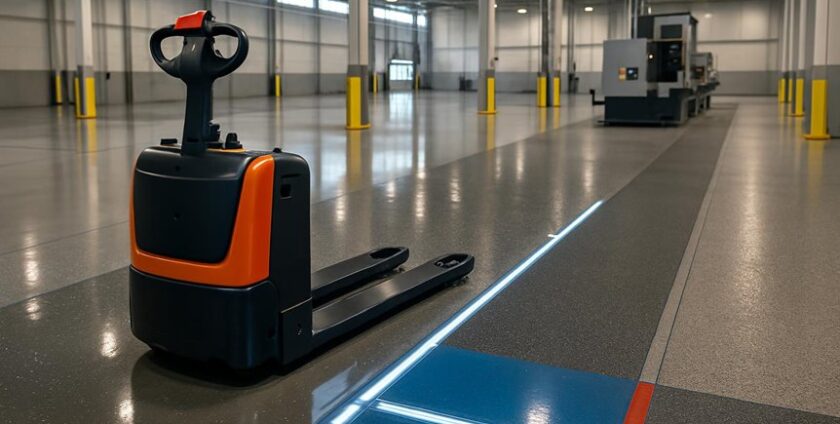
As industries evolve, the landscape of flooring solutions is set to change considerably by 2025. Key trends indicate a strong focus on sustainability, safety, and technological advancements. Innovations such as eco-friendly materials and smart flooring systems are gaining prominence. These developments promise not only to enhance operational efficiency but also to prioritize employee well-being. The implications of these shifts are remarkable, raising questions about their long-term impact on industrial environments.
Sustainable Flooring Materials
As industries increasingly prioritize environmental responsibility, sustainable flooring materials have emerged as a critical focus in industrial flooring trends for 2025.
These materials often incorporate recycled materials, reducing waste and minimizing the carbon footprint associated with traditional flooring options. Additionally, the use of renewable resources, such as bamboo and cork, highlights a commitment to sustainability while providing durable and aesthetically pleasing solutions.
Manufacturers are responding to demand by developing innovative products that not only meet performance standards but also align with eco-friendly practices. This trend reflects a broader commitment to sustainable development across various sectors, influencing purchasing decisions and corporate strategies. Furthermore, utilizing C&D materials in flooring solutions showcases the potential for recycling and repurposing construction waste, contributing to a circular economy.
Enhanced Slip Resistance
Enhanced slip resistance has become a paramount concern in industrial flooring, driven by the need to secure safety in workplaces where hazards are prevalent.
Implementing slip resistant surfaces and traction enhancing coatings is essential for preventing accidents. The following strategies can be employed to achieve enhanced slip resistance:
- Use of textured finishes to improve grip.
- Application of traction enhancing coatings for superior surface performance.
- Regular maintenance to make sure surfaces remain effective over time.
- Training personnel on optimal methods to minimize slip risks.
Additionally, ensuring compliance with regional safety and health regulations is crucial for creating a safer working environment.
Design Flexibility and Customization
While industrial flooring must prioritize functionality and safety, the importance of design flexibility and customization is increasingly recognized in modern facilities.
Advancements in flooring technology allow for an extensive variety of color options, pattern variations, and texture choices, enabling businesses to create aesthetically pleasing environments.
Custom layout designs facilitate efficient workflows while enhancing the general ambiance. In addition, branding integration is becoming essential, as companies seek to reflect their identity through their physical spaces.
This focus on functional aesthetics not only improves employee satisfaction but also reinforces brand presence, making design flexibility an essential aspect of industrial flooring in 2025. Additionally, specialized flooring solutions such as anti-slip safety flooring can enhance both safety and aesthetics in high-traffic zones.
Smart Flooring Solutions
How can technology transform traditional industrial spaces? The integration of smart technology into flooring solutions is revolutionizing operational efficiency.
By employing flooring sensors, facilities can monitor various conditions, ensuring peak performance and safety.
Key components of smart flooring solutions include:
- Real-time monitoring: Sensors track foot traffic and weight loads.
- Predictive maintenance: Data collected helps anticipate repairs, reducing downtime.
- Energy efficiency: Smart systems enhance lighting and heating based on occupancy.
- Enhanced safety: Alerts for spills or hazards promote a safer work environment.
These advancements position smart flooring as an essential element in modern industrial design. Furthermore, utilizing resources for project specifications can help in selecting the most suitable smart flooring solutions for specific industrial needs.
Low-VOC and Eco-Friendly Coatings
The shift towards low-VOC and eco-friendly coatings is reshaping industrial flooring solutions, emphasizing sustainability without compromising performance.
These coatings provide significant low VOC benefits, reducing harmful emissions and improving indoor air quality. As industries become increasingly aware of environmental impact, eco-friendly innovations are gaining traction.
Manufacturers are developing advanced formulations that maintain durability while being safer for workers and the environment. This trend not only aligns with regulatory standards but also enhances the comprehensive health of facilities. Furthermore, initiatives like the Better Buildings Initiative are encouraging partnerships to promote clean energy solutions, which further supports the adoption of sustainable materials in industrial applications.
Increased Use of Polished Concrete
The increased use of polished concrete in industrial flooring reflects a growing emphasis on aesthetic appeal, combining visual sophistication with practical benefits.
This flooring option is recognized for its durability and longevity, making it a cost-effective choice for many facilities.
Additionally, polished concrete aligns with sustainability considerations, as it often utilizes existing materials and reduces the need for additional coatings or finishes. Moreover, the process involves mechanical concrete polishing, which enhances surface texture and appearance, further contributing to its appeal.
Aesthetic Appeal Enhancement
Polished concrete offers unique advantages that enhance visual interest in industrial spaces through:
- Colorful patterns that can be customized to match branding or ambiance.
- Textured surfaces, providing a sophisticated appearance while ensuring safety.
- Reflective qualities that improve lighting, creating a brighter environment.
- Versatility in various settings, from warehouses to retail spaces, seamlessly blending aesthetics with practicality.
These elements contribute to a modern, professional look, ensuring polished concrete remains a top choice. Additionally, the self-leveling polished overlays provide a seamless, high-performance flooring solution that can transform uneven surfaces, further enhancing both aesthetics and functionality.
Durability and Longevity
Polished concrete not only enhances aesthetic appeal but also stands out for its durability and longevity, making it a progressively favored option in industrial flooring.
As industries prioritize resilient materials, polished concrete emerges as a superior choice due to its impressive impact resistance and low maintenance requirements. This type of flooring offers exceptional performance under heavy loads and harsh conditions, ensuring minimal wear over time.
Additionally, its ability to withstand spills, stains, and abrasions contributes to its long-lasting nature. As businesses seek flooring solutions that combine functionality with endurance, polished concrete solidifies its position as a leading trend for industrial facilities. The TRU PC surface delivers an authentic polished concrete look with superior performance, further enhancing its appeal.
Sustainability Considerations
As industries increasingly prioritize environmental responsibility, the adoption of polished concrete as a flooring solution is gaining momentum.
This trend is driven by several sustainability considerations, which include:
- Utilization of recycled materials, reducing waste and resource consumption.
- Minimal life cycle impact, as polished concrete lasts considerably longer than traditional flooring options.
- Energy efficiency during production and maintenance, contributing to lower carbon footprints.
- Low volatile organic compound (VOC) emissions, promoting healthier indoor air quality.
Additionally, the incorporation of alternative materials in concrete formulations further enhances its sustainability profile.
These factors position polished concrete as a leading choice for eco-conscious industries aiming to improve sustainability while maintaining durability and aesthetic appeal.
Integration of Biophilic Design
While the industrial sector has traditionally prioritized functionality and durability in flooring, the integration of biophilic design is emerging as a transformative trend for 2025.
This approach emphasizes the incorporation of natural elements and indoor greenery, creating environments that enhance employee well-being and productivity. By utilizing materials that mimic organic textures and colors, industrial spaces can foster a connection to nature, reducing stress and improving air quality.
Additionally, integrating living walls and green spaces within facilities not only beautifies workspaces but also contributes to sustainability goals. In this way, biophilic design represents a significant evolution in industrial flooring strategies. Moreover, the use of sustainable flooring materials ensures that these designs align with eco-friendly practices, supporting both aesthetic and environmental objectives.
Antimicrobial Flooring Options
Antimicrobial flooring options are gaining traction in industrial settings due to their ability to inhibit the growth of harmful bacteria and fungi, enhancing general hygiene.
Popular materials such as vinyl, rubber, and epoxy are increasingly being used for their durability and effectiveness in maintaining clean environments. As industries prioritize health and safety, the demand for these innovative flooring solutions is expected to rise considerably. Additionally, the focus on preventing work-related injuries highlights the importance of creating safer workplaces, where antimicrobial flooring can play a crucial role in maintaining hygiene standards.
Benefits of Antimicrobial Flooring
When considering flooring options for industrial environments, the benefits of antimicrobial flooring become increasingly significant.
These specialized surfaces offer numerous advantages, particularly due to their antimicrobial properties, which inhibit the growth of harmful microorganisms.
The health benefits of such flooring are substantial, including:
- Reduced risk of infections and illnesses.
- Enhanced safety for employees and visitors.
- Lower maintenance costs due to decreased cleaning frequency.
- Improved indoor air quality by minimizing harmful particulates.
Incorporating antimicrobial flooring can create a healthier work environment, ultimately leading to increased productivity and well-being in industrial settings.
Popular Antimicrobial Materials
As industries increasingly prioritize health and safety, various antimicrobial flooring materials have emerged as viable options for enhancing workplace environments.
Popular choices include vinyl, epoxy, and rubber flooring, each engineered to provide superior antimicrobial effectiveness. These materials not only inhibit the growth of harmful microorganisms but also contribute to surface longevity, reducing the need for frequent replacements.
Additionally, innovative coatings and treatments can further enhance these properties, ensuring that facilities remain hygienic and safe. Understanding moisture management in building systems is also crucial for maintaining a clean and healthy environment.
Modular Flooring Systems
Modular flooring systems have emerged as a versatile solution for industrial environments, offering flexibility and ease of installation. Their modular design greatly contributes to installation efficiency, allowing for rapid deployment and reconfiguration.
Key advantages include:
- Quick Installation: Reduces downtime during flooring upgrades.
- Customizable Layouts: Adaptable to various space requirements and workflows.
- Easy Maintenance: Individual tiles can be replaced without disrupting the entire floor.
- Cost-Effective: Minimizes material waste and labor costs.
As industries evolve, modular flooring systems are poised to become integral to modern industrial flooring strategies, enhancing functionality and operational efficiency. Additionally, these systems can be complemented by high-quality flooring services, ensuring that the installation meets specific durability and aesthetic needs.
Noise Reduction Technologies
Noise reduction technologies are increasingly essential in industrial flooring solutions, addressing the growing concern of sound management in busy work environments.
These advancements focus on integrating acoustic insulation and sound-absorbing materials into flooring systems, effectively minimizing noise pollution. By utilizing specialized underlayment and resilient flooring options, facilities can enhance worker comfort and productivity.
The incorporation of these technologies not only improves the acoustic environment but also contributes to compliance with regulatory standards regarding noise levels.
As industries evolve, the demand for efficient noise reduction solutions will continue to rise, making them a critical component of modern industrial flooring design.
Energy-Efficient Heating Solutions
The integration of energy-efficient heating solutions is becoming increasingly important in the industrial flooring sector, particularly as facilities prioritize sustainability and operational cost reduction.
Key advancements include:
- Geothermal systems: Leveraging the earth’s consistent temperature to provide efficient heating.
- Radiant heating: Distributing heat evenly across floors, enhancing comfort and energy efficiency.
- Smart thermostats: Allowing for precise temperature control, reducing energy waste.
- Insulation improvements: Enhancing thermal performance to minimize heat loss.
These solutions not only lower energy consumption but also contribute to a more sustainable operational framework, aligning with current environmental standards and corporate responsibility initiatives.
Maintenance-Optimized Flooring
As industrial facilities endeavor for increased efficiency and reduced downtime, maintenance-optimized flooring has emerged as a critical focus area. This flooring approach emphasizes the importance of preventive maintenance, aiming to extend the flooring lifecycle while minimizing disruptions.
By integrating durable materials and designs that facilitate easy cleaning and repair, organizations can greatly reduce the time and cost associated with maintenance activities. In addition, proactive strategies enable facilities to anticipate wear and tear, ensuring that flooring remains in prime condition. Furthermore, utilizing high-quality flooring solutions can significantly enhance the durability and hygiene of industrial flooring systems.
Ultimately, maintenance-optimized flooring not only enhances operational efficiency but also contributes to a safer and more productive work environment.
Frequently Asked Questions
What Are the Costs Associated With Industrial Flooring Trends in 2025?
Cost analysis for industrial flooring trends in 2025 reveals significant budget considerations. Factors such as material choice, installation complexity, and long-term maintenance expenses will influence total costs, necessitating careful financial planning for companies.
How Do These Flooring Trends Impact Workplace Safety Regulations?
Flooring trends notably influence workplace safety regulations by enhancing safety standards and risk management. Improved materials and designs reduce hazards, ensuring compliance with regulations while promoting a safer working environment for employees across various industrial sectors.
What Is the Lifespan of Modern Industrial Flooring Materials?
Modern industrial flooring materials typically have a lifespan ranging from 10 to 50 years, depending on flooring durability and material sustainability. Regular maintenance and environmental factors greatly influence the longevity and performance of these flooring options.
How Can Flooring Affect Employee Productivity and Morale?
Flooring greatly impacts employee productivity and morale by enhancing comfort and reducing fatigue. Aesthetically appealing environments promote positivity, contributing to comprehensive satisfaction and efficiency, leading to a more engaged and productive workforce.
What Are the Installation Timelines for New Flooring Technologies?
Installation timelines for new flooring technologies vary based on installation methods and project complexity. Technology advancements have streamlined processes, potentially reducing timeframes, while also enhancing efficiency and durability, thereby positively impacting general project outcomes.
Conclusion
As the industrial flooring landscape evolves towards 2025, the emphasis on sustainability, safety, and technological integration is paramount. These trends not only prioritize eco-friendly materials and enhanced safety features but also incorporate innovative solutions for design flexibility and maintenance efficiency. By embracing these advancements, businesses can create healthier, more productive environments that cater to both operational needs and employee well-being, ultimately shaping a more sustainable future in industrial flooring.
- By: Francis Burnet
- Tags: industrial flooring, smart technology, sustainability
- Category: Industrial & Warehouse Floors
- 0 comment