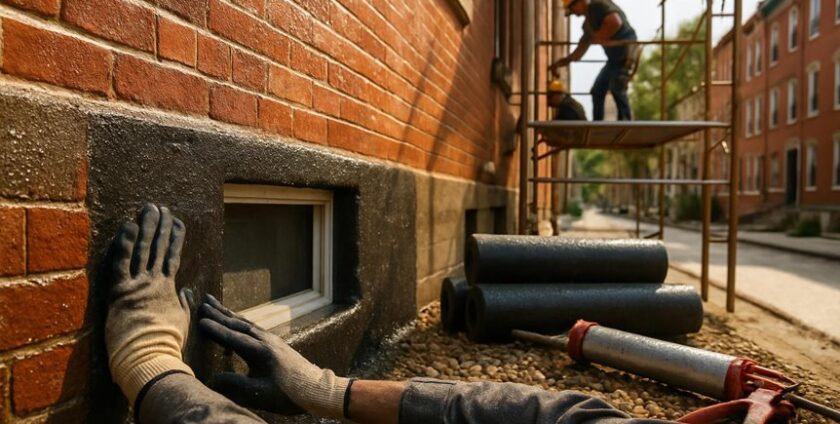
Waterproofing is a critical aspect of maintaining multi-family housing in Philadelphia. The city’s unique climate presents specific challenges that can compromise building integrity. Effective waterproofing solutions, including moisture barriers and drainage systems, play a key role in preventing water intrusion and mold growth. Understanding the various methods and regulations is essential for property owners. Nonetheless, the implications of inadequate waterproofing can be significant, prompting a closer examination of optimal strategies and solutions.
Understanding the Importance of Waterproofing in Multi-Family Housing
While many may overlook the significance of waterproofing in multi-family housing, its importance is essential. Effective waterproofing directly contributes to the longevity of a building, preventing moisture damage that can lead to costly repairs.
One of the key waterproofing benefits is enhanced tenant satisfaction; residents are more likely to renew leases in well-maintained properties. Additionally, proper waterproofing reduces the risk of mold growth, promoting a healthier living environment.
Landlords who invest in waterproofing not only protect their assets but also guarantee a positive living experience for tenants, ultimately fostering a stable and thriving community within multi-family housing developments.
Common Waterproofing Challenges in Philadelphia
Waterproofing in Philadelphia presents unique challenges that can complicate the maintenance of multi-family housing.
The city’s diverse climate and high humidity levels greatly impact moisture control, often leading to water intrusion issues. Additionally, the aging infrastructure can compromise foundation stability, making properties more susceptible to leaks and damage.
Urban runoff and heavy rainfall can exacerbate these problems, overwhelming existing drainage systems. Property owners must be vigilant in identifying vulnerabilities, as neglecting these challenges can lead to costly repairs and health risks associated with mold and mildew. Effective waterproofing strategies are essential for preserving the integrity of multi-family housing in this environment. Furthermore, understanding moisture management is crucial for developing long-term solutions that enhance building performance and occupant health.
Types of Waterproofing Solutions for Foundations
When addressing foundation waterproofing for multi-family housing, several effective methods are available.
Interior waterproofing methods focus on sealing and managing moisture within the building, while exterior waterproofing solutions aim to prevent water intrusion from the outside.
Additionally, proper drainage system installation is essential in directing water away from the foundation, thereby enhancing general waterproofing efficacy.
Interior Waterproofing Methods
Numerous interior waterproofing methods are available to effectively address moisture issues in multi-family housing foundations.
These techniques focus on interior moisture management and basement humidity control, ensuring a dry environment. Common methods include the installation of interior drainage systems, which channel water away from foundations, and the application of sealants to walls and floors to prevent moisture penetration.
Additionally, dehumidifiers can be utilized to regulate humidity levels, while vapor barriers can protect against moisture vapor from the ground.
Each method can be tailored to the specific needs of the building, substantially enhancing the living conditions for residents.
Exterior Waterproofing Solutions
Effective moisture management extends beyond interior solutions, necessitating robust exterior waterproofing strategies for multi-family housing foundations.
Exterior waterproofing primarily involves the application of exterior coatings and moisture barriers that protect against water intrusion.
Key solutions include:
- Liquid Waterproofing Membranes – Flexible coatings that create a seamless barrier.
- Sheet Membranes – Pre-manufactured rolls that provide a strong defense against moisture.
- Bentonite Clay Systems – Natural clay that expands upon contact with water, forming a barrier.
- Exterior Drainage Boards – Systems that direct water away from foundations, complementing other waterproofing efforts.
Implementing these strategies guarantees lasting protection against water damage.
Drainage System Installation
Although various waterproofing solutions are fundamental for protecting foundations, the installation of effective drainage systems serves a critical function in moisture management for multi-family housing.
Proper drainage system design guarantees that water is efficiently diverted away from foundations, preventing potential flooding and structural damage. Key components such as French drains, sump pumps, and gutters play essential roles in this process.
Regular drainage system maintenance is equally important; it involves inspecting and clearing obstructions to achieve peak performance. By prioritizing both design and maintenance, property owners can greatly extend the life of their foundations and enhance the overall safety of their multi-family housing.
Roof Waterproofing Techniques for Multi-Family Buildings
In the domain of safeguarding multi-family buildings from water intrusion, implementing robust roof waterproofing techniques is vital.
These strategies not only protect structures but also enhance their longevity.
Key techniques include:
- Membrane Systems: Utilizing durable, water-resistant materials that can be installed seamlessly.
- Green Roofing: Integrating vegetation which absorbs rainwater and reduces runoff.
- Modified Bitumen: A flexible and tough option that adheres well to various surfaces.
- Liquid Applied Systems: Offering a seamless barrier that conforms to any shape or detail.
These methods guarantee effective waterproofing, essential for the integrity of multi-family housing in Philadelphia.
Effective Drainage Systems to Prevent Water Accumulation
Effective drainage systems are essential for preventing water accumulation in multi-family housing.
Proper grading techniques guarantee that water flows away from the building, while the installation of catch basins captures excess runoff.
Together, these solutions notably reduce the risk of water damage and enhance the longevity of the structure.
Proper Grading Techniques
Proper grading techniques are essential for ensuring effective drainage systems that prevent water accumulation in multi-family housing developments. These methods enhance water flow and support ideal soil compaction, thereby mitigating potential flooding issues.
Key practices include:
- Sloping: Creating a gentle slope away from the building.
- Elevation: Ensuring the foundation is above surrounding ground levels.
- Soil Types: Selecting appropriate soil that promotes drainage.
- Regular Maintenance: Inspecting and maintaining graded areas to prevent erosion.
Implementing these techniques effectively safeguards properties against water-related damage, ensuring longevity and comfort for residents in Philadelphia’s multi-family housing.
Catch Basin Installation
A well-designed drainage system is vital for preventing water accumulation in multi-family housing developments, and catch basin installation plays a significant role in this process.
Catch basins effectively collect surface water and debris, directing it away from buildings and reducing the risk of flooding. The benefits of catch basins include improved property aesthetics, enhanced safety, and minimized water damage.
Regular catch basin maintenance is important to guarantee peak performance; this involves cleaning out debris and inspecting for structural integrity.
The Role of Exterior Sealants in Waterproofing
Exterior sealants play an essential role in the waterproofing of multi-family housing by creating a barrier against moisture infiltration.
The effectiveness of sealant application is vital for maintaining structural integrity and preventing water damage.
Key benefits include:
- Moisture Barrier: Stops water from penetrating walls and joints.
- Durability: Provides long-lasting protection against the elements.
- Energy Efficiency: Reduces energy costs by preventing drafts.
- Aesthetic Appeal: Enhances the appearance of the building while ensuring functionality.
Proper selection and application of exterior sealants contribute markedly to the complete waterproofing strategy in multi-family housing developments.
Interior Waterproofing Methods for Basements and Crawl Spaces
Effective waterproofing extends beyond exterior measures, encompassing interior methods that specifically address basements and crawl spaces.
Implementing humidity control is essential in preventing mold growth and structural damage. One effective approach involves installing moisture barriers on walls and floors, which act as shields against water infiltration.
Additionally, utilizing dehumidifiers can help maintain ideal humidity levels, further safeguarding against dampness. Interior drainage systems may also be employed to redirect water away from vulnerable areas.
Together, these interior waterproofing solutions create a comprehensive strategy, ensuring that basements and crawl spaces remain dry and functional, ultimately enhancing the longevity of multi-family housing.
Choosing the Right Materials for Waterproofing
While selecting the appropriate materials for waterproofing, it is essential to take into account the specific needs of the multi-family housing structure.
Key factors influencing the choice include:
- Material Durability: Guarantee materials withstand environmental stressors.
- Waterproofing Performance: Select products with proven effectiveness in preventing water intrusion.
- Compatibility with Existing Structures: Materials should integrate seamlessly with the building’s architecture.
- Cost-Effectiveness: Evaluate the long-term return on investment regarding maintenance and repairs.
Maintenance Practices to Ensure Long-Term Waterproofing
To maintain effective waterproofing in multi-family housing, regular inspections and assessments are vital for identifying potential issues before they escalate.
Prompt repairs and consistent maintenance actions can greatly prolong the lifespan of waterproofing systems.
Additionally, implementing effective drainage solutions is essential to prevent water accumulation and minimize the risk of moisture-related damage.
Regular Inspections and Assessments
Regular inspections and assessments are critical components in maintaining the integrity of waterproofing systems in multi-family housing. Establishing an appropriate inspection frequency and utilizing effective assessment techniques can prevent costly damages.
Property managers should consider the following:
- Conduct visual inspections quarterly to identify visible signs of wear.
- Utilize moisture meters biannually to detect hidden leaks.
- Schedule professional assessments every three years for comprehensive evaluations.
- Document findings and maintenance actions to track performance over time.
These practices guarantee that waterproofing systems remain effective, safeguarding residents and preserving property value in the long run.
Prompt Repairs and Maintenance
Timely repairs and consistent maintenance are essential to uphold the effectiveness of waterproofing solutions in multi-family housing.
Implementing a robust emergency response plan guarantees that any water intrusion or damage is addressed immediately, minimizing long-term effects.
Scheduled maintenance should be established to regularly assess the integrity of waterproofing systems, identifying potential issues before they escalate.
This proactive approach not only extends the lifespan of waterproofing materials but also safeguards residents’ living environments.
Effective Drainage Solutions
While waterproofing systems are vital for preventing water intrusion in multi-family housing, effective drainage solutions play an equally important role in maintaining their long-term integrity.
Proper drainage design not only mitigates water accumulation but also enhances rainwater harvesting strategies.
The following maintenance practices are essential:
- Regularly inspect and clear gutters and downspouts.
- Guarantee proper grading around the building to direct water away.
- Implement permeable paving to manage surface runoff.
- Monitor and maintain drainage systems to prevent clogging.
Regulations and Codes for Waterproofing in Philadelphia
Although waterproofing is a critical aspect of building design and maintenance, maneuvering through the regulations and codes specific to Philadelphia can be complex.
The city enforces stringent waterproofing regulations aimed at preventing water intrusion and damage in multi-family housing. Compliance with local building codes is essential to guarantee safety and durability.
These codes outline specific materials, installation methods, and inspection processes that must be followed. Failure to adhere to these regulations can result in costly penalties and remediation efforts.
Consequently, understanding and applying Philadelphia’s waterproofing regulations is crucial for successful project outcomes in the housing sector.
Professional Waterproofing Services: What to Look For
How can property owners guarantee they select the right professional waterproofing services for multi-family housing? By considering essential factors, they can make informed choices.
Key elements include:
- Experience with Waterproofing Technology: Confirm the provider is familiar with modern methods and materials.
- Service Qualifications: Verify certifications and licenses that affirm expertise in the field.
- Reputation: Check reviews and references from previous clients to assess reliability and quality.
- Comprehensive Assessments: Look for services that offer detailed evaluations and tailored solutions for specific property needs.
These criteria help secure ideal waterproofing solutions and protect property investments.
Cost Considerations for Waterproofing Projects
Determining the costs associated with waterproofing projects for multi-family housing requires careful consideration of various factors that can greatly impact the total budget. A comprehensive budget analysis should include materials, labor, and potential unforeseen expenses.
Additionally, project financing options must be explored to guarantee adequate funding. This may involve evaluating grants, loans, or partnerships that could alleviate financial burdens.
Frequently Asked Questions
How Often Should Waterproofing Solutions Be Inspected or Maintained?
Inspection frequency for waterproofing solutions should be conducted annually, while maintenance schedules must be established based on environmental conditions and material performance. Regular evaluations guarantee longevity and effectiveness, preventing costly damages from moisture infiltration.
Can Tenants Affect Waterproofing Efforts in Multi-Family Buildings?
Tenants can considerably affect waterproofing efforts through their cooperation. When tenants adhere to maintenance responsibilities, such as reporting leaks promptly, it guarantees timely repairs and enhances the comprehensive effectiveness of waterproofing measures within multi-family buildings.
What Are the Signs of Inadequate Waterproofing in a Property?
Signs of inadequate waterproofing include visible water damage, such as stains or peeling paint, and the presence of mold growth in damp areas. These indicators suggest compromised structural integrity and potential health risks for residents.
Are There Eco-Friendly Waterproofing Options Available?
Yes, eco-friendly waterproofing options exist, utilizing green materials and sustainable techniques. These solutions minimize environmental impact while effectively protecting structures from water intrusion, making them a responsible choice for modern construction and renovation projects.
How Does Weather Affect Waterproofing Effectiveness in Philadelphia?
Weather greatly influences waterproofing effectiveness, as Philadelphia’s varied rain patterns and seasonal impacts can lead to increased moisture exposure. Reliable waterproofing systems must adapt to these conditions to guarantee long-term protection against water infiltration.
Conclusion
To sum up, implementing effective waterproofing solutions in multi-family housing in Philadelphia is essential for preserving structural integrity and enhancing tenant satisfaction. By addressing common challenges and utilizing appropriate techniques, property owners can mitigate moisture-related issues while complying with local regulations. Regular maintenance and professional expertise further guarantee the longevity of these systems. Ultimately, investing in proper waterproofing not only protects assets but also fosters a healthier living environment for residents.
- By: Francis Burnet
- Tags: multi-family housing, water damage, waterproofing solutions
- Category: Concrete Sealing & Protection
- 0 comment